

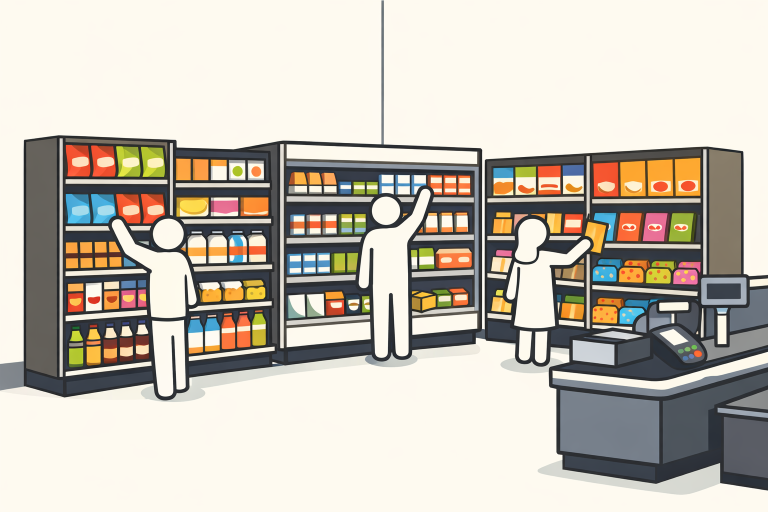
Key Takeaways
- Innovative display merchandising increases product visibility and drives sales growth by improving customer engagement.
- Modular and multifunctional solutions offer adaptability and maximize space efficiency in diverse retail environments.
- Tailored display strategies elevate the overall in-store experience, attracting new shoppers and encouraging repeat business.
- Retail-ready merchandising trays streamline stocking, help maintain freshness, and reduce labor costs.
- Digital screens in stores deliver dynamic, targeted advertising to influence shopper decisions at the point of purchase.
In today’s competitive food retail industry, the way products are displayed can have a tremendous impact on customer attraction and overall sales. Retailers seeking an edge are increasingly turning to hot food merchandiser solutions, which combine a sharp focus on product visibility with a seamless and inviting shopping environment. Innovations in display design do more than just look; they enable stores to adapt to changing consumer habits and keep operations efficient, fresh, and responsive.
Modern shoppers are drawn toward engaging, efficient, and clean display layouts, especially in high-traffic grocery and convenience settings. Retailers are increasingly investing in flexible merchandising to capitalize on impulse buys and create a premium, memorable customer experience. With advancements ranging from modular impulse fixtures and multifunctional cases to digital in-store advertising, the retail display landscape is entering an exciting era of change.
Modular Impulse Merchandisers
Impulse buying is a major source of profit for food retailers. Merchandising specialists have recognized the importance of placing high-velocity, grab-and-go items in modular impulse displays near checkouts and other high-traffic areas. These units are designed for flexibility and can be adjusted or moved based on promotional activity or store flow.
Such displays boost sales of snacks, beverages, and other high-margin items by making them more accessible and appealing as shoppers make last-minute purchases. Data reveals that positioning relevant products in optimized impulse fixtures can increase unit sales by up to 20 percent, especially during peak hours.
Additionally, these displays can highlight seasonal and limited-time offers, further encouraging purchases that consumers might not have planned. By regularly updating product selection and keeping displays organized and well-maintained, retailers can ensure that their impulse merchandising remains fresh and relevant to changing shopper preferences. Effective lighting and attractive signage can further enhance the impact of these displays, grabbing customers’ attention even in crowded aisles or during busy periods. The flexibility to reposition units also allows stores to experiment with different product placements and layouts, helping them fine-tune their sales strategies over time and respond quickly to new market trends or product launches.
Customized Display Solutions
Delivering a premium in-store experience often hinges on tailoring display solutions to match the store’s layout, branding, and the types of products being highlighted. Retailers collaborating with display manufacturers can create cohesive visual themes that elevate perishable departments, such as bakery, deli, or prepared foods, setting their stores apart from the competition.
These custom displays remove unsightly gaps between cases, eliminate clutter, and spotlight featured items to drive impulse purchases. An example comes from a nationwide grocery chain that upgraded its fresh department with integrated display islands, improving both the look and hygiene of the food sections.
Beyond aesthetics, custom merchandising solutions can also improve operational efficiency by streamlining stocking routines and optimizing product rotation. Retailers can leverage these advantages to support specific brand narratives, highlight local items, or promote store-exclusive products with creative signage and coordinated color schemes. Collaboration with display solution experts further ensures that each department remains visually distinct while supporting overall store flow, guiding customers intuitively from one section to another, and boosting both dwell time and basket size. Stores that actively seek to create a vibrant, consistent atmosphere find that customers respond positively, building both trust and loyalty over time.
Multifunctional Merchandisers
Retail spaces are at a premium, especially in urban markets and on expanding campuses. Multifunctional merchandisers tackle this challenge by combining multiple food-holding and display environments into a single footprint. These dynamic units can switch between ambient, heated, or refrigerated settings, providing valuable flexibility for foodservice operations and allowing stores to rotate featured foods or respond quickly to seasonal trends and menu changes.
This approach has gained popularity in educational and corporate foodservice, as it allows operators to offer diverse menu options without major layout overhauls. A recent industry survey confirms that over 60 percent of retailers plan to invest in multifunctional merchandisers to keep up with customer demand for new and rotating food offerings.
Multifunctional merchandisers also allow stores to maximize profit per square foot, often serving multiple meal periods, such as breakfast sandwiches in the morning and salads or prepared items at lunch, all from the same display. This versatility reduces downtime between menu changes and limits the need for additional storage or backup units, benefiting both large and small retail environments. Incorporating smart controls and energy-efficient technologies, the newest generation of merchandisers helps reduce operational costs while maintaining optimal food temperatures for safety and quality. This ensures compliance with food safety regulations and boosts customer confidence in the offerings.
Retail-Ready Merchandising Trays
Efficient distribution and shelf replenishment remain priorities for today’s food retailers. Retail-ready merchandising trays are designed to simplify the process, allowing products to be moved directly from trucks to shelves with minimal handling. This method keeps products fresher while reducing labor costs and limiting shrinkage caused by over-handling or poor stock rotation.
These trays are especially useful in high-velocity categories like beverages, dairy, and baked goods, supporting rapid resets and promotions while also making it easier for team members to keep displays fully stocked during store hours.
By enabling faster product turnover and easier category management, retail-ready trays provide a practical solution for keeping shelves appealing and full, particularly during high-traffic times such as holidays or weekends. They also promote better hygiene and reduce the risk of breakage or spillage, lending displays a cleaner appearance. As consumer expectations for freshness and presentation rise, retail-ready solutions are a key tool for helping stores maintain high standards and respond promptly to spikes in demand. Overall, these systems support a leaner, more reliable back-of-house process that directly contributes to enhanced customer satisfaction.
In-Store Digital Screens
The integration of digital technology into the physical shopping experience is revolutionizing how retailers connect with customers at the point of sale. In-store digital screens allow retailers to roll out targeted, dynamic advertising campaigns on the store floor, synchronized with seasonal promotions, new product launches, or localized shopper preferences.
This technology not only enables a more personalized shopping journey but also provides brands with unparalleled access to shoppers’ attention in real time. As a result, retailers are forming new revenue streams by incorporating retail media platforms across their store networks.
In addition, the adaptability of digital screens allows messaging to be updated instantly to reflect inventory changes, promote flash sales, or provide important product information, such as nutritional facts or allergen warnings. Interactive screens can also gather valuable customer feedback and shopping data, enabling retailers to customize offerings further and refine marketing strategies. As retail becomes increasingly omnichannel, in-store screens are emerging as an essential tool for bridging the gap between online and offline experiences, ultimately enriching customer engagement and loyalty both in-store and beyond.
Conclusion
Innovative merchandising solutions are essential for retailers to attract customers, enhance sales, and build brand loyalty. By utilizing adaptable modular units, multifunctional merchandisers, efficient retail-ready trays, and interactive digital screens, retailers can evolve their food display strategies. The future of retail merchandising hinges on a mix of technology, consumer insights, and creative presentation. Retailers that proactively adopt new methods and refine strategies will stay competitive, catering to shoppers’ demands for convenience, freshness, and personalized experiences, thereby fostering profitable customer relationships.