

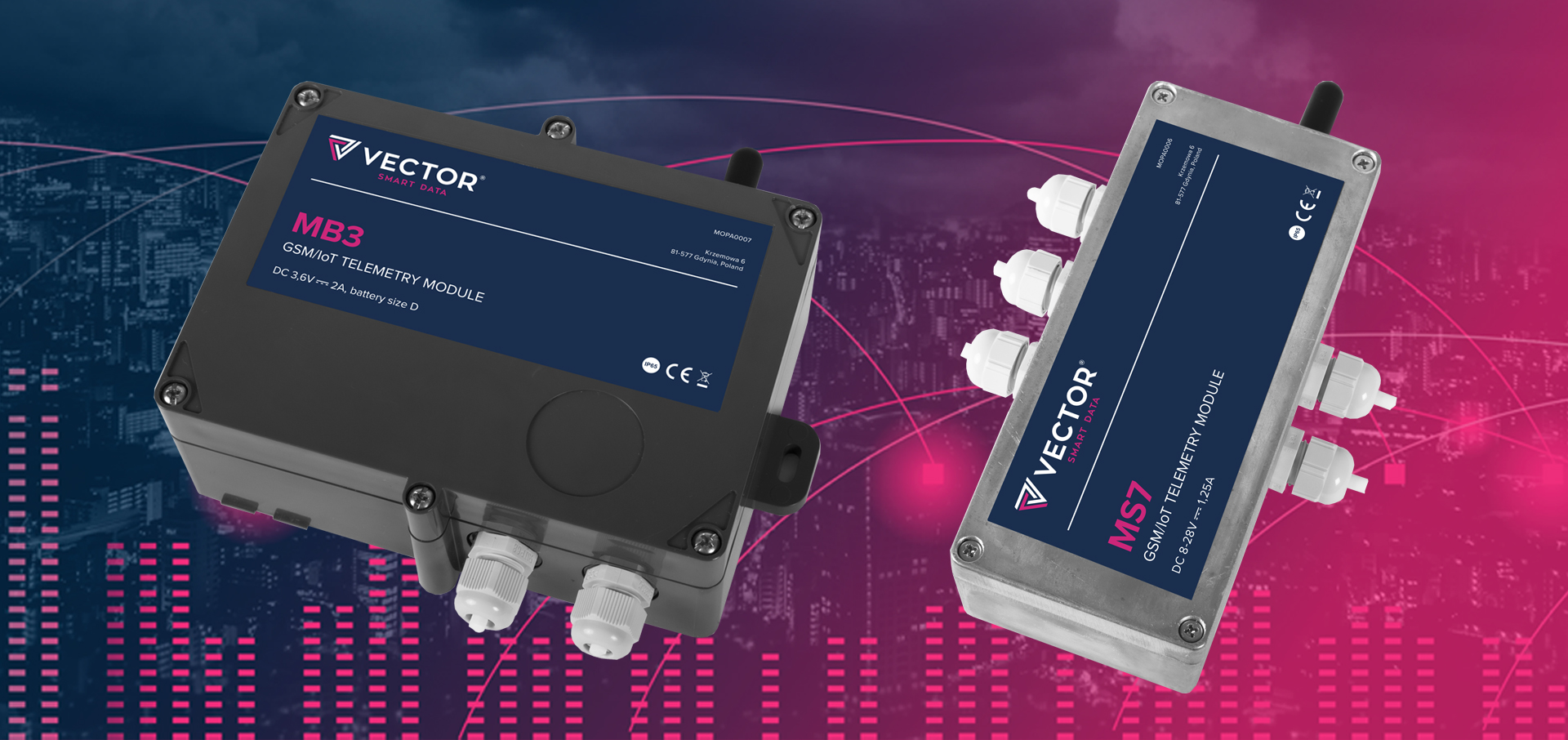
Telemetryczny
Telemetryczny is a Polish adjective that translates to “telemetric” in English. It refers to anything related to telemetry, the process of automatically measuring, collecting, and transmitting data from remote locations to a central system for monitoring, analysis, and control.
Telemetry plays a vital role in industries where real-time information is essential for making informed decisions. From healthcare and transportation to space exploration and environmental monitoring, telemetric systems have become indispensable in today’s connected world.
What Does Telemetryczny Mean?
The word Telemetryczny originates from the field of telemetry and is commonly used in technical, scientific, and engineering contexts. It describes devices, systems, or technologies that perform remote data collection and transmission.
Examples include:
- Telemetric sensors
- Telemetric monitoring systems
- Telemetric communication devices
- Telemetric measurement equipment
These systems allow organizations to gather accurate information without requiring personnel to be physically present at the monitored location.
How Telemetric Systems Work
A typical telemetric system follows a straightforward process:
1. Data Collection
Sensors measure physical parameters such as:
- Temperature
- Pressure
- Voltage
- Speed
- Humidity
- Water level
- GPS location
- Heart rate
2. Data Transmission
The collected information is transmitted using communication technologies such as:
- Wi-Fi
- Cellular networks (4G/5G)
- Satellite communication
- Radio frequency (RF)
- Bluetooth
- Ethernet
- Internet Protocol (IP)
3. Data Processing
The received information is processed by computers or cloud-based platforms to identify trends, detect anomalies, and generate reports.
4. Monitoring and Response
Operators monitor dashboards in real time and can take immediate action if abnormal conditions are detected.
Applications of Telemetryczny Systems
Telemetric technology is used across a wide range of industries.
Healthcare
Hospitals use telemetric devices to monitor patients remotely by tracking:
- Heart rate
- Blood pressure
- Oxygen saturation
- Electrocardiogram (ECG) readings
This enables healthcare professionals to respond quickly to medical emergencies.
Automotive Industry
Modern vehicles rely on telemetric systems for:
- GPS tracking
- Fleet management
- Fuel consumption analysis
- Vehicle diagnostics
- Driver behavior monitoring
Businesses use these systems to improve efficiency and reduce operating costs.
Aerospace and Aviation
Aircraft and spacecraft continuously transmit operational data back to control centers.
Telemetry provides information about:
- Engine performance
- Navigation systems
- Fuel levels
- Altitude
- Environmental conditions
Without telemetry, space missions would be impossible to manage effectively.
Environmental Monitoring
Government agencies and research organizations deploy telemetric sensors to monitor:
- Weather conditions
- Air quality
- Water quality
- River levels
- Soil moisture
- Climate changes
These systems help predict natural disasters and support environmental conservation.
Industrial Automation
Factories use telemetric systems to monitor equipment performance, enabling:
- Predictive maintenance
- Machine diagnostics
- Energy management
- Production optimization
- Equipment safety
This reduces downtime and improves productivity.
Agriculture
Smart farming solutions rely on telemetric technology for:
- Soil moisture monitoring
- Irrigation control
- Livestock tracking
- Crop health analysis
- Weather forecasting
Farmers can make data-driven decisions that improve yields while conserving resources.
Advantages of Telemetric Technology
Organizations benefit from telemetric systems in many ways.
Real-Time Monitoring
Data is available instantly, allowing faster responses to changing conditions.
Improved Accuracy
Automated data collection reduces human error and ensures consistent measurements.
Cost Savings
Remote monitoring minimizes travel, labor costs, and unnecessary inspections.
Increased Safety
Dangerous environments can be monitored without exposing workers to unnecessary risks.
Predictive Maintenance
Equipment issues can be identified before they become major failures, reducing repair costs and downtime.
Better Decision-Making
Access to reliable, real-time information helps organizations make informed operational decisions.
Challenges of Telemetric Systems
Despite their advantages, telemetric systems face several challenges.
Cybersecurity Risks
Connected devices can become targets for cyberattacks if proper security measures are not implemented.
Connectivity Issues
Remote areas may experience poor network coverage, affecting data transmission.
High Initial Investment
Advanced telemetric infrastructure can require significant upfront costs for sensors, communication networks, and software.
Data Management
Large volumes of collected data require secure storage, analysis, and efficient management.
Future of Telemetryczny Technology
The future of telemetric systems is closely linked to emerging technologies such as:
- Artificial Intelligence (AI)
- Internet of Things (IoT)
- Edge Computing
- 5G connectivity
- Cloud Computing
- Machine Learning
These innovations will enable faster data processing, smarter automation, and more accurate predictive analytics across industries.
Frequently Asked Questions
What does Telemetryczny mean?
Telemetryczny is the Polish word for telemetric, referring to systems or devices that remotely measure and transmit data for monitoring and analysis.
Where are telemetric systems used?
They are widely used in healthcare, transportation, aerospace, industrial automation, agriculture, environmental monitoring, and energy management.
How does telemetry work?
Telemetry uses sensors to collect data, communication networks to transmit it, and software platforms to process and display the information in real time.
Why is telemetry important?
Telemetry enables remote monitoring, improves operational efficiency, enhances safety, supports predictive maintenance, and helps organizations make informed decisions based on real-time data.
Conclusion
Telemetryczny refers to technologies and systems that support telemetry, the remote measurement and transmission of data. These systems have transformed industries by enabling real-time monitoring, automation, and data-driven decision-making. As technologies like AI, IoT, and 5G continue to evolve, telemetric solutions will become even more powerful, helping businesses, governments, and healthcare providers operate more efficiently while improving safety, reliability, and overall performance.