

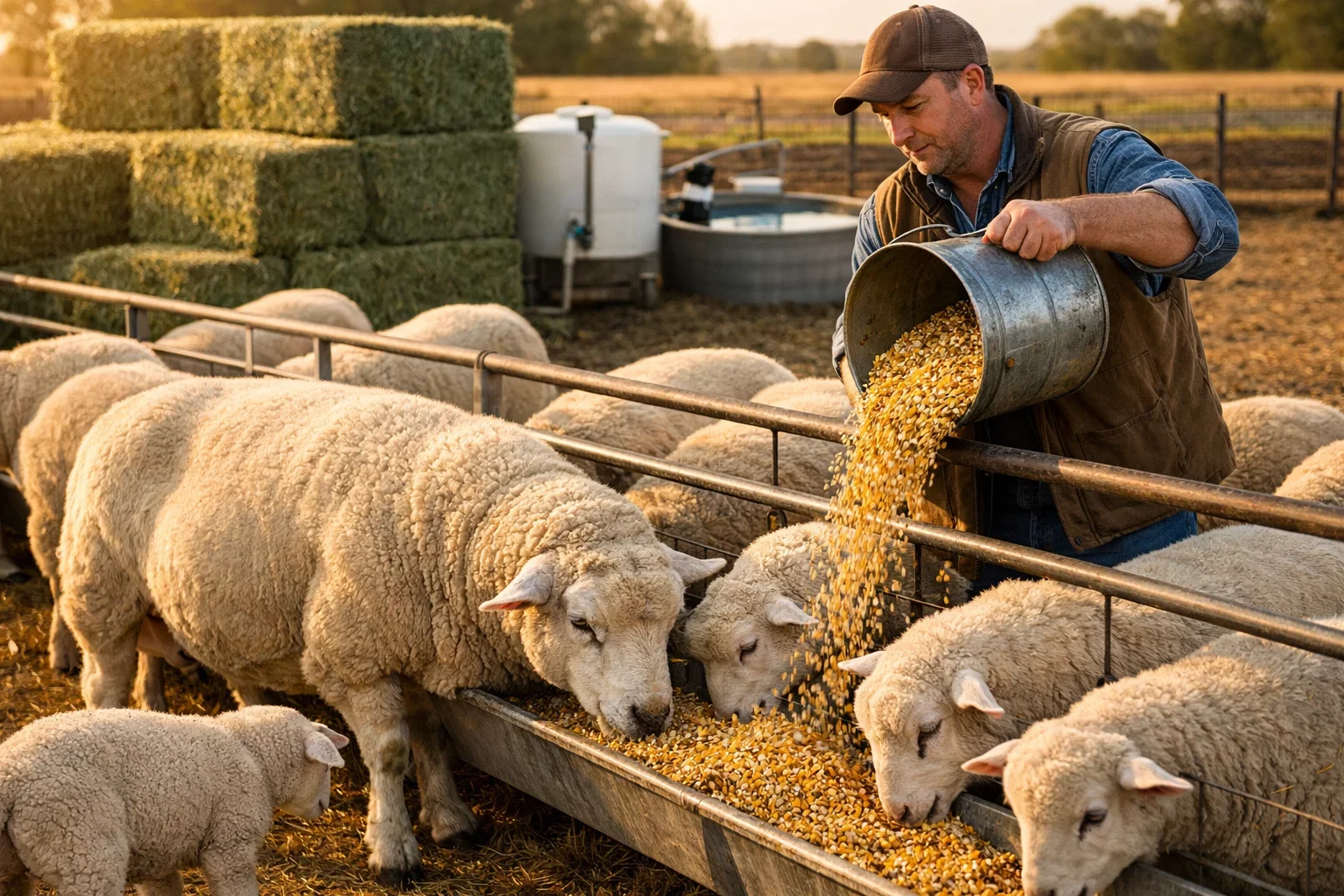
Sheep farming can be a rewarding agricultural business when animals are managed properly. Whether someone is starting a small family farm or planning a larger livestock operation, good management practices are essential for maintaining healthy animals and controlling costs.
Sheep farm management involves much more than simply providing food and shelter. Farmers need to pay attention to nutrition, clean water, housing, breeding, health care, pasture management, and daily observation.
A well-managed sheep farm can improve animal health, productivity, and overall farm efficiency. With proper planning, even small-scale farmers can develop practical systems that make Sheep Farm Management easier to manage.
What Is Sheep Farm Management?
Sheep farm management is the organized process of caring for Sheep Farm Management and managing the resources required to operate a sheep farm.
It includes several important activities, such as:
- Feeding and nutrition
- Providing clean drinking water
- Maintaining shelters
- Monitoring animal health
- Managing breeding
- Protecting sheep from parasites
- Maintaining pasture
- Keeping farm records
- Managing lambs
- Planning expenses and sales
The main objective is to create an environment where sheep can remain healthy while the farm operates efficiently.
Choosing the Right Sheep Breed
Breed selection is an important decision for farmers.
Different sheep breeds have different characteristics. Some may be better suited for meat production, while others are valued for wool, milk, or their ability to adapt to particular climates.
Farmers should consider the local environment, available feed, market demand, and farming goals before choosing a breed.
A breed that performs well in one region may not necessarily be the best option for another.
Providing Proper Shelter
Sheep need a safe and comfortable place to rest and escape extreme weather conditions.
A good sheep shelter should provide adequate ventilation while protecting animals from excessive rain, cold, heat, and strong winds.
The floor should remain reasonably dry and clean. Poorly maintained housing can increase the risk of disease and create uncomfortable conditions for animals.
Shelters should also provide enough space so sheep are not overcrowded.
Importance of Good Nutrition
Nutrition is one of the most important parts of successful sheep farming.
Sheep require a balanced diet that provides energy, protein, minerals, and other nutrients necessary for growth and maintenance.
Pasture can provide a significant portion of their diet when good grazing land is available. Farmers may also provide hay, forage, grains, or formulated feed depending on the animals’ nutritional needs.
The exact feeding plan should take into account factors such as age, body condition, pregnancy, lactation, and production goals.
Clean Water Is Essential
Fresh water should always be available to sheep.
Water requirements can change depending on weather, feed, animal size, pregnancy, and other conditions.
Dirty or contaminated water can create health problems and may discourage animals from drinking enough.
Farmers should regularly clean water containers and check that animals have reliable access to safe drinking water.
Pasture Management
Good pasture management can reduce feeding costs and improve animal nutrition.
Rotational grazing is one approach farmers can consider. Instead of allowing sheep to remain on the same section of pasture continuously, grazing areas can be divided and used at different times.
This can help protect vegetation and give previously grazed areas an opportunity to recover.
Farmers should also monitor pasture quality and avoid excessive grazing.
Sheep Health Management
Healthy sheep are generally more productive and easier to manage.
Farmers should observe their animals regularly and watch for changes in behavior, appetite, movement, body condition, or appearance.
Signs of illness can sometimes include:
- Loss of appetite
- Unusual weakness
- Difficulty walking
- Changes in breathing
- Diarrhea
- Isolation from the flock
- Sudden changes in behavior
Early identification of health problems can make professional treatment more effective.
When an animal appears seriously ill, farmers should contact a qualified veterinarian or livestock professional.
Parasite Control
Internal and external parasites can affect sheep health and productivity.
Parasites may cause poor growth, weight loss, skin irritation, weakness, and other problems.
A good parasite management program should be based on local conditions and professional veterinary guidance. Farmers should avoid using treatments unnecessarily or repeatedly without understanding the actual problem.
Pasture management, regular observation, appropriate hygiene, and targeted treatment can all contribute to better parasite control.
Breeding Management
Breeding is another important component of sheep farm management.
Farmers should select healthy breeding animals with desirable characteristics. Good breeding decisions can influence flock health, growth, productivity, and long-term performance.
Pregnant ewes require appropriate nutrition and close observation, particularly as lambing approaches.
Maintaining breeding records can help farmers understand the performance and history of individual animals.
Caring for Newborn Lambs
The early period of a lamb’s life is especially important.
Newborn lambs need a clean, safe environment and adequate access to their mother’s milk. Farmers should observe newborn animals carefully and watch for signs of weakness or difficulty feeding.
Keeping the lambing area clean can also help reduce health risks.
Any lamb that appears weak or unable to feed properly should receive prompt attention from a qualified livestock professional.
Maintaining Farm Hygiene
Cleanliness plays an important role in livestock management.
Farmers should regularly remove accumulated waste from shelters and maintain reasonably clean feeding and watering areas.
Good hygiene can help create a healthier environment and reduce conditions that may contribute to disease.
Equipment, pens, and frequently used areas should be maintained according to the farm’s needs.
Keeping Sheep Farm Records
Record keeping is often overlooked by small farmers, but it can be extremely useful.
Records can include:
- Birth dates
- Breeding information
- Vaccination and treatment history
- Weight measurements
- Feed expenses
- Sales
- Deaths
- Health observations
Good records help farmers understand what is working and where improvements may be needed.
They can also make financial planning easier.
Managing Sheep During Hot Weather
High temperatures can create additional challenges for sheep.
During hot weather, farmers should make sure animals have access to clean water and suitable shade.
Good ventilation in shelters is also important.
Farmers should pay attention to signs of heat stress and seek professional veterinary advice if animals show concerning symptoms.
Preparing for Cold and Wet Conditions
Cold and wet conditions can also affect sheep, particularly young or vulnerable animals.
Shelters should provide protection from harsh weather while maintaining adequate ventilation.
Keeping bedding reasonably dry can improve comfort and help maintain a healthier environment.
Farmers should pay particular attention to lambs and animals in poor body condition during difficult weather.
Controlling Farm Costs
Successful sheep farming requires financial planning as well as animal care.
Feed, veterinary services, housing, labor, transportation, breeding, and equipment can all contribute to operating costs.
Farmers should track expenses regularly and compare them with income from livestock products.
Efficient use of pasture, careful purchasing, good record keeping, and prevention of avoidable health problems can help improve farm efficiency.
Technology in Modern Sheep Farming
Technology is becoming increasingly useful in livestock agriculture.
Farmers can use digital records, electronic identification systems, monitoring devices, cameras, and farm management software to improve their operations.
Technology can help farmers keep better records and monitor animals more efficiently.
However, technology should support good farming practices rather than replace regular observation and responsible animal care.
Common Sheep Farming Mistakes
New farmers can make mistakes when they underestimate the importance of planning.
Common problems include:
- Overcrowding animals
- Providing poor-quality feed
- Ignoring clean water
- Neglecting shelter maintenance
- Failing to monitor animal health
- Overgrazing pastures
- Keeping poor records
- Delaying professional veterinary care
Learning about these issues before they become serious can save time, money, and unnecessary stress.
Building a Better Sheep Farm Management Plan
A practical management plan should cover the entire farm.
Start by identifying the number of animals, available pasture, housing capacity, feeding resources, local weather conditions, and market opportunities.
Then create regular routines for feeding, watering, cleaning, observation, record keeping, and pasture management.
The plan should also include arrangements for veterinary care and emergency situations.
A consistent routine makes it easier to identify changes in animal health and farm performance.
Final Thoughts
Sheep farm management is the foundation of a healthy and productive sheep operation.
Successful farmers pay attention to nutrition, water, shelter, pasture, breeding, hygiene, parasite control, and animal health. They also keep accurate records and monitor their costs.
There is no single management system that works perfectly for every farm. Local climate, breed, available resources, farm size, and market conditions all influence the best approach.
With careful planning, regular observation, responsible animal care, and professional guidance when needed, farmers can build a more efficient and sustainable sheep farming operation.