

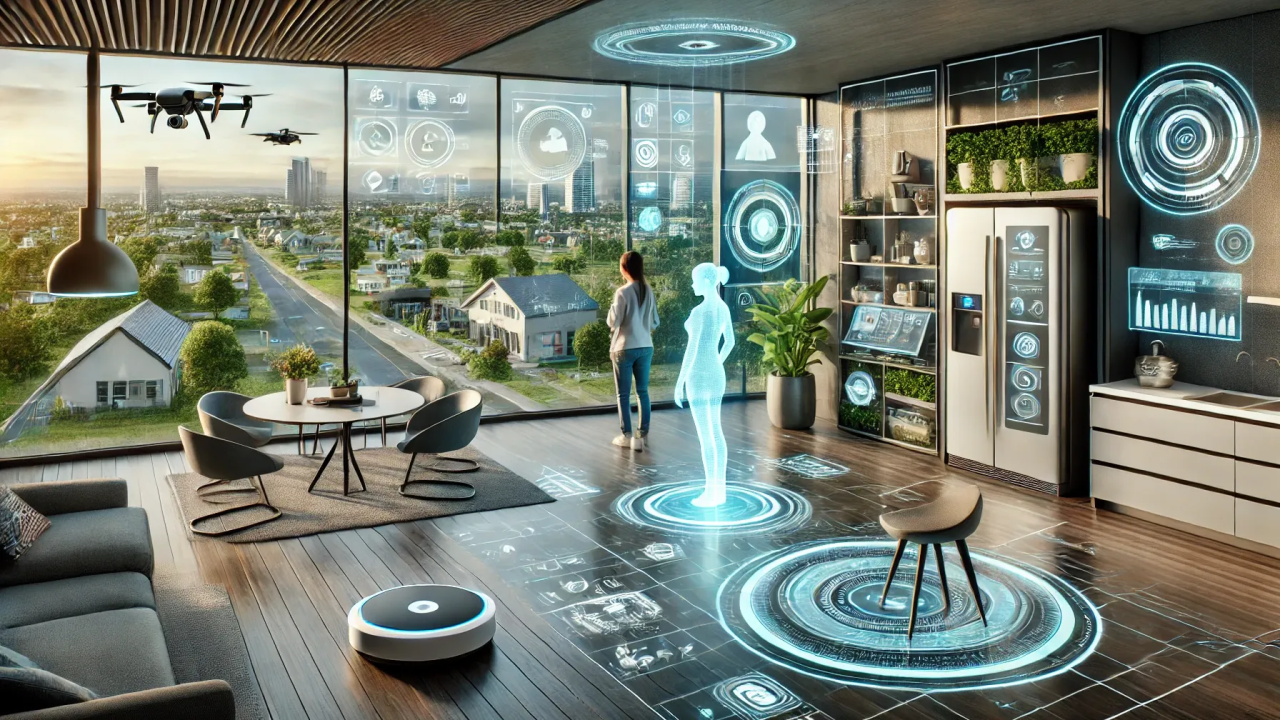
Modern life is changing faster than ever. Technology, changing lifestyles, new home solutions, flexible work, digital services, and greater awareness of health and sustainability are influencing how people live every day. This new approach to everyday life is often described as modern living.
Modern living does not simply mean owning the latest devices or following every new trend. Instead, it is about creating a lifestyle that is comfortable, practical, efficient, and adaptable to changing needs.
What Is Modern Living?
Modern living refers to the way people adapt their homes, routines, work, communication, and daily habits to the changing world.
It can include smart technology, convenient services, organized spaces, flexible work arrangements, healthy routines, sustainable choices, and better use of time.
The meaning of modern living is different for everyone. What matters is finding solutions that make everyday life easier and more enjoyable.
Technology in Modern Life
Technology has become a central part of everyday routines. Smartphones, computers, smart appliances, online services, and digital platforms allow people to complete many tasks quickly.
People can now communicate instantly, manage finances, shop for groceries, attend meetings, learn new skills, and access entertainment from home.
When used thoughtfully, technology can save time and improve convenience.
Smart Home Solutions
Smart home technology is becoming increasingly popular. Connected lights, security cameras, thermostats, speakers, and appliances can make household management easier.
For example, smart lighting can be controlled through a mobile application, while smart security systems can allow homeowners to monitor their property remotely.
However, smart technology should be selected based on genuine needs rather than simply following trends.
Creating a Comfortable Home
Modern living also involves creating a home that supports comfort and productivity.
A well-organized home can reduce unnecessary stress and make everyday tasks easier. Simple improvements such as better storage, appropriate lighting, comfortable furniture, and uncluttered rooms can have a noticeable impact.
You do not always need expensive renovations to improve your living environment.
Minimalism and Decluttering
Many people are becoming more interested in minimalist living. The basic idea is to focus on useful and meaningful possessions while reducing unnecessary clutter.
A cleaner environment can make rooms feel more spacious and easier to maintain.
Decluttering can begin with simple steps, such as organizing one room, removing unused items, and creating dedicated storage areas.
Modern Work and Flexible Schedules
Work has also changed significantly. Remote work, hybrid jobs, freelancing, and digital collaboration allow many people to work outside traditional offices.
A comfortable home workspace can improve focus and productivity. Good lighting, an appropriate desk, an organized setup, and regular breaks can make remote work more sustainable.
At the same time, maintaining boundaries between work and personal life is important.
Digital Convenience
Online services have simplified many everyday activities. People can order products, book appointments, pay bills, access educational resources, and communicate with businesses without leaving home.
Digital convenience can save considerable time. However, users should remain aware of privacy and cybersecurity risks when sharing information online.
Healthy Modern Living
A modern lifestyle should not focus entirely on convenience. Health and well-being are equally important.
Regular physical activity, balanced nutrition, adequate sleep, outdoor time, and meaningful social interaction can help create a healthier lifestyle.
Technology can support these goals through fitness applications, wearable devices, online exercise programs, and digital health resources.
Staying Active in a Busy Lifestyle
Busy schedules can make exercise difficult, but physical activity does not always require a long gym session.
Walking, cycling, stretching, home workouts, recreational sports, and active household tasks can contribute to a more active lifestyle.
The most important factor is consistency. Small amounts of regular movement can be easier to maintain than an unrealistic exercise routine.
Sustainable Modern Living
Sustainability is becoming an important part of modern lifestyles.
People can make environmentally conscious choices by reducing waste, saving energy, using reusable products, choosing durable goods, and avoiding unnecessary consumption.
Simple actions can make a difference without requiring major lifestyle changes.
Energy-Efficient Homes
Energy efficiency can benefit both the environment and household budgets.
LED lighting, efficient appliances, improved insulation, smart thermostats, and responsible energy use can reduce unnecessary consumption.
Even simple habits, such as turning off unused lights and appliances, can contribute to more efficient household energy use.
Modern Cooking and Food Habits
Technology has also influenced the way people prepare and purchase food. Online grocery services, recipe platforms, kitchen appliances, and meal-planning applications can make food preparation more convenient.
However, modern food habits should still prioritize balanced meals and fresh ingredients where possible.
Planning meals in advance can also reduce waste and make busy weekdays easier.
Modern Entertainment
Entertainment is now available almost everywhere. Streaming services, podcasts, online games, social platforms, and digital books provide countless options.
While digital entertainment can be enjoyable, balance is important. Spending time outdoors, meeting friends, pursuing hobbies, and participating in offline activities can create a healthier routine.
Personal Organization
Modern living becomes easier when daily responsibilities are organized.
Digital calendars, reminders, task-management applications, and traditional notebooks can help people keep track of appointments and priorities.
A simple daily plan can prevent small responsibilities from becoming overwhelming.
Financial Management
Digital banking and financial applications have made money management more accessible.
People can monitor spending, pay bills, transfer money, and review transactions through online platforms.
However, financial information should be protected carefully. Strong passwords, secure connections, and additional account security features can help reduce digital risks.
Building Better Daily Habits
Modern living is not about changing everything at once. Small improvements can create meaningful results over time.
For example, someone might begin by organizing their workspace, reducing unnecessary notifications, preparing healthier meals, or establishing a consistent sleep schedule.
The goal is to create habits that are realistic enough to maintain.
Challenges of Modern Living
Modern life also has disadvantages. Constant notifications, excessive screen time, information overload, busy schedules, and digital distractions can increase stress.
People may also feel pressure to keep up with new technology, products, and lifestyle trends.
The solution is not to reject modern life but to choose what genuinely adds value.
Finding Balance
Balance is one of the most important principles of modern living.
Technology should support real-world experiences rather than replace them. Work should leave room for rest. Convenience should not eliminate healthy habits. And material possessions should not become the primary measure of success.
A balanced lifestyle allows people to enjoy modern conveniences while protecting their time, health, relationships, and personal goals.
The Future of Modern Living
The future will likely bring even more connected homes, artificial intelligence, automation, wearable technology, flexible work, and personalized digital services.
As these technologies develop, people will have more choices about how they manage their homes and daily routines.
The most successful approach will be to adopt useful innovations while maintaining control over how technology affects everyday life.
Final Thoughts
Modern living is ultimately about making everyday life more practical, comfortable, healthy, and meaningful. Technology can provide convenience, while thoughtful habits can improve physical and mental well-being.
A modern lifestyle does not need to be expensive or complicated. Simple organization, smart technology choices, healthy routines, sustainable habits, and better time management can make a significant difference.
The best modern lifestyle is one that uses today’s opportunities without losing sight of the things that matter most: health, relationships, personal growth, comfort, and quality time.