

Key Takeaways
- Regular oil changes prevent unnecessary engine wear and ensure long-term vehicle performance.
- Discolored oil, irregular noises, and impaired fuel efficiency are signs that it’s time for service.
- Ignoring these symptoms increases the risk of major engine trouble and high repair costs.
Regular oil changes are one of the simplest and most effective ways to keep your vehicle running smoothly for years to come. Failing to address this essential maintenance task can lead to serious engine problems and expensive repairs down the road. Make sure your vehicle stays in top condition and consider important community resources such as discount heating oil Oakland NJ, when caring for your car and your household.
Many drivers overlook signs that their vehicle’s oil needs attention, but recognizing the warning signals can save you both time and money. Monitoring oil quality and your car’s performance can also help extend engine life and promote safety. By knowing what to watch for, you’ll be able to schedule a timely oil change and avoid inconvenient breakdowns.
1. Dark and Dirty Oil
When your oil is new, it’s usually light brown or amber with a slightly translucent appearance. As your engine operates, the oil starts to pick up dirt, metal shavings, and other particles, turning it darker and thicker. You can check your oil by pulling out the dipstick and wiping it with a paper towel. If the oil is black, gritty, or completely opaque, that means it’s clogged with contaminants and can’t lubricate your engine effectively. Changing it as soon as possible helps protect your engine from unnecessary wear and tear.
2. Unusual Engine Noises
The primary job of motor oil is to reduce friction between the moving components of your engine. As oil ages, it loses its ability to create a thin, effective layer, increasing the likelihood of metal parts rubbing together. This can result in knocking, clicking, or grinding noises that signal an urgent need for fresh oil. Addressing these warning sounds immediately can help you avoid more extensive engine damage. For more details on common automotive warning sounds, check this helpful guide from Suntrup Automotive.
3. Decreased Fuel Efficiency
Oil quality doesn’t just affect your motor–it impacts your wallet, too. If your vehicle’s oil is old or low, your engine works harder to operate, which can lead to increased fuel consumption. You may find yourself filling up the gas tank more frequently, despite keeping the same driving habits. If you notice a sudden drop in your miles per gallon, poor oil quality could be a contributing factor. Monitoring your fuel economy can indicate when it’s time to schedule an oil change.
4. Exhaust Smoke
Some vapor or translucent exhaust is normal for most vehicles, especially during colder months. However, if you spot thick or dark smoke coming from your tailpipe, it might point to a deeper oil-related issue, such as an oil leak or burning oil due to worn engine parts. This is an important sign that your vehicle needs an oil change as soon as possible. In some cases, it might also require professional inspection to rule out more serious mechanical issues.
5. Oil Change or Check Engine Light
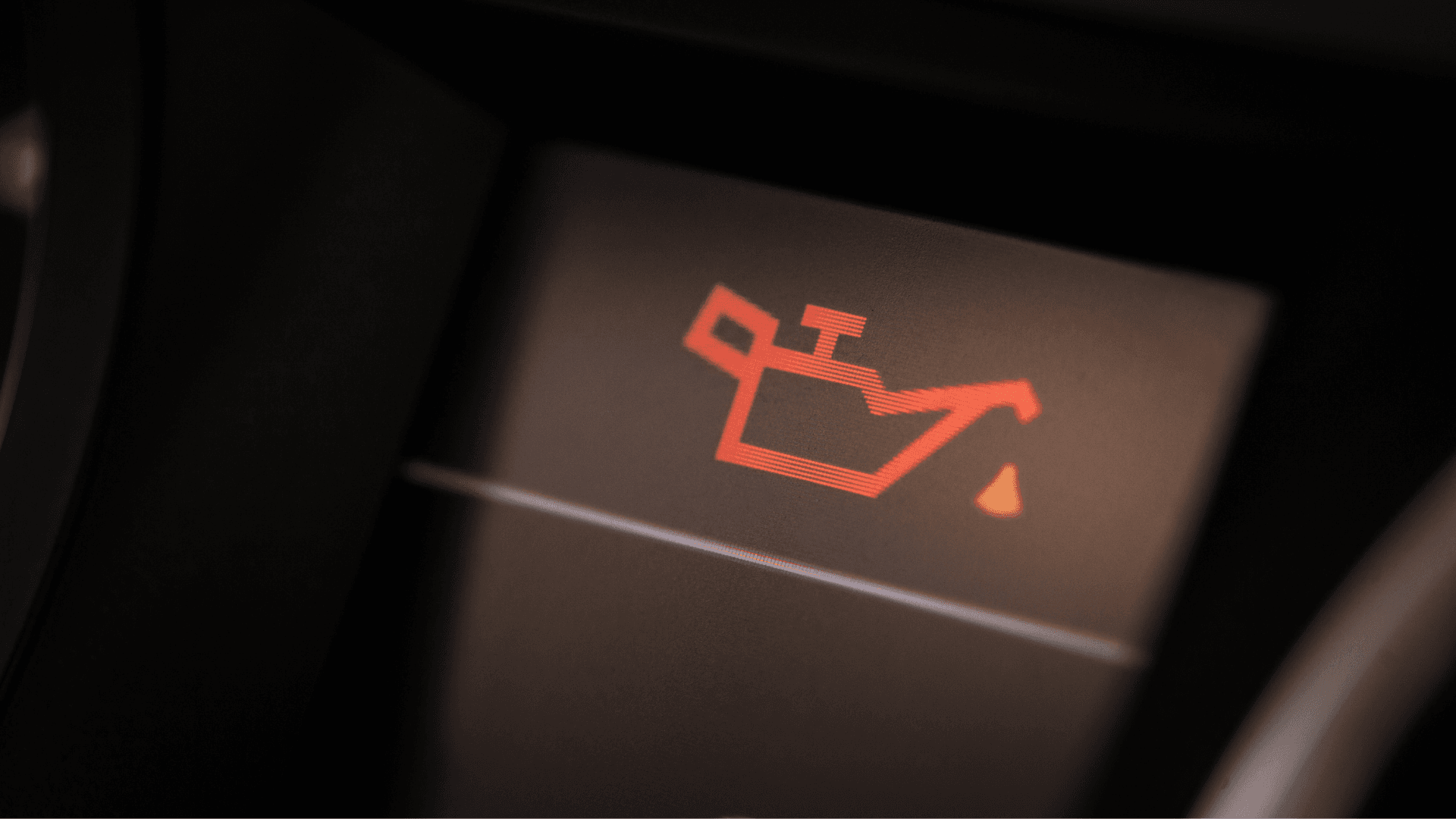
Most modern cars are equipped with sensors that monitor both the level and quality of your oil. If the oil change indicator or check engine light activates on your dashboard, it’s a direct signal from your vehicle’s systems that attention is required. Do not ignore these alerts. Have your oil checked and changed promptly to avoid costly damage. Reliable information about dashboard warning lights can be found at Autotrader.
6. Strong Oil Smell Inside the Cabin
Noticeable oil smells inside your car usually indicate a leak or that oil is burning faster than expected due to age or contamination. This could quickly lead to overheating, causing further deterioration of critical engine components. Unusual odors, especially those resembling burnt oil or chemicals, should never be ignored. Schedule an oil change as soon as you detect this problem and check for any signs of leakage under your car.
7. Excessive Mileage Since Last Oil Change
Every vehicle manufacturer provides guidelines for routine oil changes based on mileage intervals, usually between 5,000 and 7,500 miles. Older cars or vehicles regularly exposed to severe conditions may require changes even sooner. If you’ve exceeded your manufacturer’s recommended mileage since the last oil change, you risk running your engine with ineffective protection. Regularly track your mileage and keep records to avoid missing these critical maintenance milestones.
8. Engine Performance Issues
Clean, healthy oil allows your engine’s moving parts to function smoothly, ensuring responsive acceleration and steady, efficient idling. If you experience sluggish acceleration, rough idling, or a noticeable drop in overall performance, these may be telltale signs that your oil is no longer doing its job. Routine oil changes not only help maintain engine performance but can also prolong the life of your car.
Staying proactive about routine oil changes offers peace of mind, allows your engine to work efficiently, and helps prevent more serious and costly repairs. Make these simple maintenance steps a priority to keep your vehicle running reliably and safely year after year.