

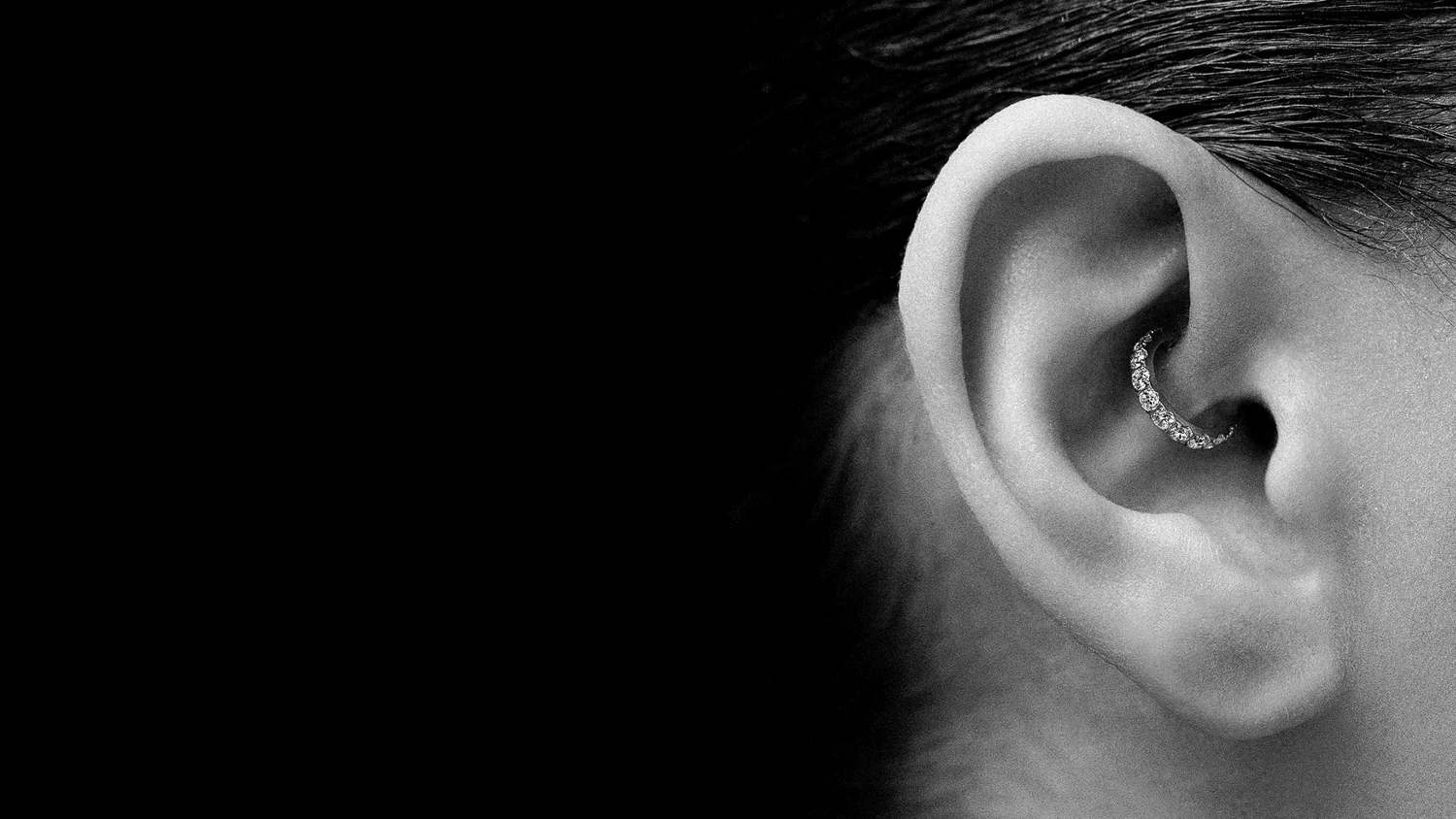
In the world of body modification, few piercings have generated as much intrigue, controversy, and conversation as the daith piercing. Tucked within the innermost fold of the ear cartilage, this seemingly subtle piece of jewelry has transcended its status as a mere aesthetic choice to become a cultural phenomenon, surrounded by compelling—and often debated—claims of holistic benefit. But what exactly is a daith piercing, and why does it command such fascination?
Anatomical Intricacy: What is a Daith Piercing?
Pronounced “doth” or “dayth,” the name is derived from the Hebrew word for “knowledge.” Anatomically, it refers to the piercing of the innermost cartilage fold of the ear, the crus of the helix. This location is not for the faint of heart—for piercer or client. It requires a high degree of precision, as the anatomy varies significantly from person to person. Not everyone has a pronounced daith fold suitable for piercing.
The procedure is considered one of the more painful cartilage piercings due to the thickness of the tissue. It’s typically done with a curved barbell or a captive bead ring as the initial jewelry. The healing process is notoriously long and finicky, often taking 6 to 12 months, and demands diligent aftercare to avoid irritation and infection.
From Punk Rock to Pressure Point: A Brief Evolution
While body piercing has ancient roots across cultures, the daith piercing is a relative newcomer to the mainstream. It gained visibility in the 1990s within the punk and body modification scenes as a way to showcase a unique and less-common piercing. Its journey from subculture staple to trendy accessory was steady, but it was the advent of a powerful myth in the 2010s that catapulted it into a new stratosphere of popularity.
The Migraine Myth: Modern Folklore or Medical Marvel?
The daith piercing’s most famous—and controversial—claim is its purported ability to alleviate migraine and anxiety symptoms. The theory hinges on acupuncture principles. The daith location is said to correspond to the acupuncture point for digestion, but more popularly, it’s linked to pressure points that may help relax the body and relieve headache tension.
The Verdict from Science: There is no robust scientific evidence to support the daith piercing as a validated medical treatment for migraines. The medical community largely views it as a placebo effect—a powerful psychological phenomenon where belief in the treatment can trigger real, perceived relief. However, the placebo effect is a real neurobiological response, and for some sufferers, the piercing has coincided with a reduction in headache frequency or intensity. It’s crucial, however, that anyone considering it for this reason consult a medical professional first and not forgo proven treatments.
Beyond the Hype: The Daith as Art and Expression
Setting the medical debate aside, the daith piercing endures as a striking form of self-expression. Its hidden-in-plain-sight location makes it a delightful discovery. It’s a piercing for the curious—the kind noticed when someone tucks their hair behind their ear or laughs.
Aesthetically, it offers unique jewelry opportunities. Once healed, elaborate decorative rings, sparkling clickers, and intricate ornamental pieces transform the ear into a gallery. It pairs beautifully with other ear piercings, contributing to the curated “earscape” trend that dominates contemporary body jewelry.
Considerations: Is a Daith Piercing Right for You?
If you’re drawn to the daith, approach it with clear eyes:
- Choose Your Professional Wisely: This is paramount. Seek an APP (Association of Professional Piercers) member or an exceptionally reputable studio with a portfolio of well-placed daith piercings. Anatomy is key, and a skilled piercer will tell you honestly if yours is suitable.
- Prepare for the Commitment: The long, sensitive healing period means side-sleeping will be off the table for a while. You’ll need to be meticulous with saline spray cleaning and avoid headphones that put pressure on the ear.
- Manage Expectations: Get it because you love the look. Any potential ancillary benefit should be considered a possible bonus, not a guarantee.
- Listen to Your Body: Be aware of the risks: potential for infection, irritation bumps (often called “piercing bumps”), and the possibility of improper placement if not done by an expert.
The Final Point
The daith piercing sits at a fascinating crossroads. It is a test of patience for the wearer, a test of skill for the piercer, and a testament to the human desire to find relief and meaning through adornment. Whether embraced as a stylish secret, a potential tool for wellness, or a combination of both, the daith piercing remains one of the most compelling conversations in modern body art. It reminds us that sometimes, the most powerful statements are not the loudest, but the ones quietly nestled in the curve of an ear.
 Harry
Harry