

Table of Contents
- Types of Divorce in Massachusetts
- Factors Influencing the Divorce Timeline
- Strategies to Expedite the Divorce Process
- Conclusion
Divorce is a significant life event that brings about numerous changes and challenges for everyone involved. Whether you are just contemplating a separation or already in the midst of it, one pressing question often arises: “How long will my divorce take?” For those living in Worcester, Massachusetts, the answer depends on various factors, including the nature of the case itself and the efficiency of the local court system. Individuals seeking compassionate legal guidance can turn to Turco Legal, P.C. for professional support through every stage of the divorce process.
The duration of a divorce in Worcester varies significantly. It is influenced by factors such as the nature of the relationship between the parties, the complexity of their financial and parenting arrangements, and the speed at which agreements can be reached. While each divorce is unique, understanding the most common types of divorce and the steps involved can help set realistic expectations for your own situation.
Types of Divorce in Massachusetts
Massachusetts law recognizes two main kinds of divorce: uncontested and contested. Each process follows a distinct timeline and set of requirements, which ultimately impact how long a case might take to conclude.
Uncontested Divorce
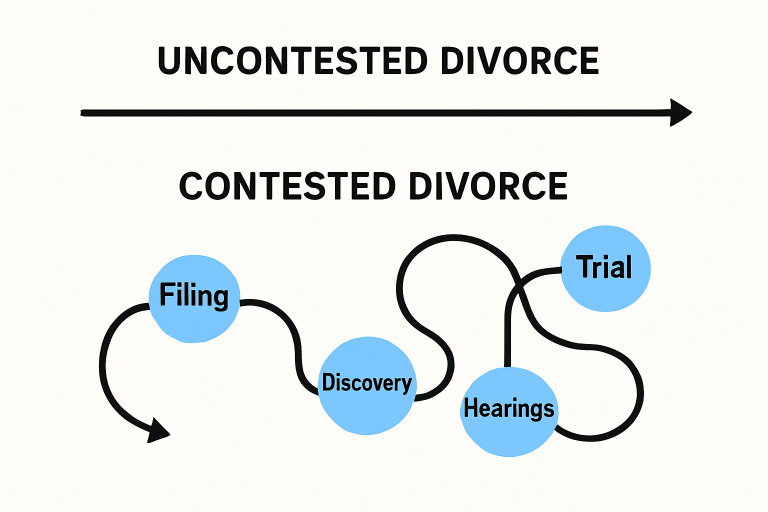
Uncontested divorces streamline the process because both spouses agree on significant issues, including the division of assets, child custody, and financial support. Typically, uncontested cases are resolved quickly because there is no need for lengthy court battles. In Worcester, after jointly filing the necessary documents, a court hearing is usually set within two to six weeks. Following court approval, a mandatory 90-day waiting period must be observed before the divorce is finalized. On average, couples can expect the entire process to take about three to four months from start to finish. For more details on the steps and forms involved, please refer to the Mass.gov Divorce Law Guide.
Contested Divorce
Contested divorces occur when spouses cannot agree on key matters and require the court to make decisions on their behalf. This leads to a more involved and time-consuming process, as it includes the following milestones:
- Filing and Service of Process: The official divorce papers must be filed and served to the other spouse, which often takes several weeks to complete.
- Discovery Phase: Both parties gather and exchange information and evidence relevant to their case. This phase may last several months, depending on the complexity and level of cooperation.
- Pretrial Hearings: Courts encourage settlements or temporary orders for support, residence, or custody at these hearings.
- Trial: Should negotiations fail, the matters proceed to trial, which can span several days or even weeks for highly contested cases.
- Judgment Nisi: After the trial, a provisional decision is issued. The divorce becomes final after a further 90-day waiting period.
Due to these multiple phases and the potential for continued disputes, contested divorces in Worcester often take between 12 and 18 months. Significant delays may occur due to scheduling constraints and court backlogs, a situation common throughout the state. Recent reporting in The Boston Globe highlights efforts to address these backlogs through judicial expansion.
Factors Influencing the Divorce Timeline
Several internal and external factors can influence the timeline for any divorce. Understanding these influences can help parties make informed decisions and possibly avoid unnecessary delays.
- Complexity of Issues: Divorce cases involving complicated financial holdings, business valuations, or strongly contested child custody arrangements will take longer to resolve due to extra steps required in assessment and negotiation.
- Level of Cooperation: Spouses who are able and willing to negotiate in good faith reduce the time spent in litigation. Amicable solutions typically result in less time spent in court and a smoother overall process.
- Court Schedules: The availability of court personnel and judges, as well as the overall workload of the Worcester Probate and Family Court, directly influences the setting of hearing and trial dates. Delays are common with overloaded court dockets.
Strategies to Expedite the Divorce Process
While some delays are outside of your immediate control, there are several strategies you can employ to help speed up your divorce timeline and avoid unnecessary stress:
- Open Communication: Maintaining transparent and respectful dialogue with your spouse can help resolve many disputes before they require a judge’s intervention.
- Utilize Mediation: Professional mediation can help bridge disagreements and encourage swift resolution, often avoiding lengthy trial proceedings. Mediation has proven particularly valuable for couples wishing to preserve a cordial post-divorce relationship.
- Stay Organized: Collecting and presenting financial, legal, and parenting documents promptly and accurately ensures that your attorney and the court have the necessary information, reducing delays associated with missing paperwork or unanswered requests.
Conclusion
Understanding the divorce timeline in Worcester, Massachusetts, is crucial for anyone preparing to navigate this complex life transition. While uncontested divorces may be resolved within a few months, more contentious cases can take over a year to conclude. Recognizing the key factors at play and implementing practical strategies can make the divorce journey both smoother and shorter. No matter how complicated the process may seem, seeking professional legal guidance early on can provide valuable clarity, peace of mind, and the support necessary to move forward confidently.
 Anderson