
Table of Contents
- Neglecting Regular Inspections
- Overlooking Creosote Buildup
- Ignoring Structural Damage
- Failing to Address Water Damage
- Not Installing a Chimney Cap
- Attempting DIY Repairs
- Hiring Unqualified Inspectors
- Conclusion
Keeping your home safe and your chimney functioning efficiently requires more than just running the fireplace on chilly nights. Regular chimney inspections and mindful maintenance are critical, yet many homeowners fall into avoidable traps that can lead to costly repairs or hazardous conditions. Recognizing these frequent mistakes can help you avoid trouble and extend the life of your chimney system. Discover more about reliable chimney inspection practices.
Paying close attention to chimney care not only protects your property but also shields your family from potential hazards, such as fires and carbon monoxide leaks. Many problems, from creosote buildup to unnoticed water damage, can grow quickly if left unchecked. By taking a few proactive steps and knowing what to watch for, you can protect your investment and promote home safety.
Whether you’re a new homeowner or someone who has relied on a chimney for years, avoiding these common pitfalls will make a noticeable difference in how well your fireplace and chimney work. Taking the time to educate yourself and know when to call in professionals is always worthwhile.
It’s important to keep in mind that local and national codes, as well as organizations such as the Chimney Safety Institute of America (CSIA), set benchmarks for safe chimney maintenance. Following these established standards helps ensure that no critical element gets overlooked in your home care routine.
Neglecting Regular Inspections
Annual chimney inspections are essential for discovering early signs of trouble. Unfortunately, many homeowners neglect this important step, assuming that occasional fireplace use does not warrant frequent oversight. Leading safety organizations, such as the National Fire Protection Association, recommend that chimneys, fireplaces, and vents be inspected at least once a year. Even with light use, debris, animal nests, and hidden cracks can quietly compromise your home’s safety.
Overlooking Creosote Buildup
Creosote, a dark, tar-like residue, forms naturally on your chimney’s interior walls every time you burn wood. This highly flammable substance quickly accumulates and, if ignored, can cause dangerous chimney fires or block the safe exit of smoke and gases from the home. Even a thin layer of creosote significantly increases fire risk, so scheduling regular chimney cleanings is crucial. For additional guidance, the National Fire Protection Association offers safety tips for using fireplaces and chimneys.
Ignoring Structural Damage
Small cracks and gaps in masonry or a chimney liner might seem harmless, but they can become costly problems over time. These flaws allow toxic gases like carbon monoxide to seep into your living spaces and allow moisture to infiltrate, hastening further deterioration. If left unaddressed, minor structural compromises can invite serious health hazards and require far more complex repairs. Periodic professional evaluations catch these issues before they escalate.
Failing to Address Water Damage
Water is a persistent threat to chimney integrity. When flashing or mortar wears out, or the chimney cap goes missing, moisture quickly works its way inside. Rusting metal components, mold growth, and the freeze-thaw cycle can cause bricks to crack and the chimney structure to weaken. Promptly addressing any signs of leaks or moisture intrusion is the best way to prevent much costlier repairs in the future.
Not Installing a Chimney Cap
A properly fitted chimney cap is vital for shielding your chimney from rain, snow, animals, and wind-blown debris. Without a cap, you risk unwanted blockages, water leaks, and even small animals entering your home. This simple yet effective upgrade is inexpensive and serves as the first line of defense against year-round chimney protection.
Attempting DIY Repairs
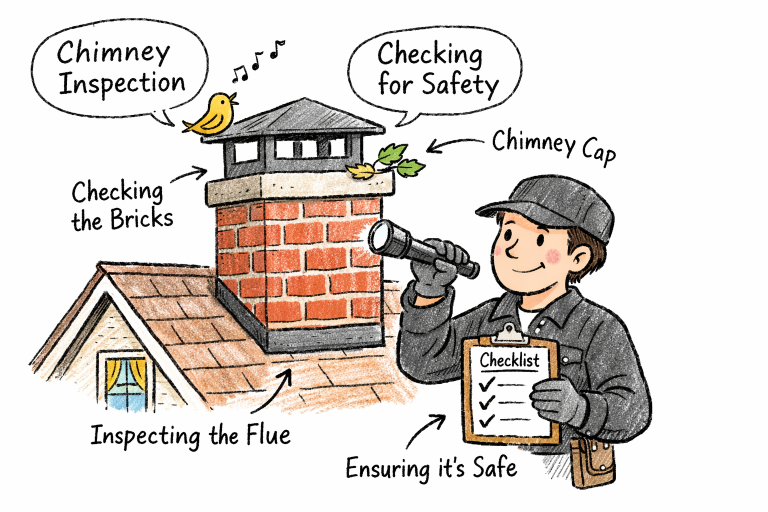
While tackling projects yourself can be appealing, chimney repairs require specialized expertise. Mistakes in chimney maintenance can create new hazards or worsen existing problems. Certified chimney professionals use industry-standard tools and methods, ensuring repairs are completed safely and effectively. Investing in professional service is always preferable to risking your safety on DIY fixes.
Hiring Unqualified Inspectors
Selecting the right chimney inspector is just as important as scheduling the inspection itself. Unfortunately, not all service providers have the necessary certifications or practical experience. Always seek out certified chimney inspectors from reputable organizations such as the Chimney Safety Institute of America. Choosing a qualified professional ensures your chimney will be thoroughly inspected and maintained. Homeowners can find more information on reputable inspectors from resources like CSIA’s guide on hiring chimney sweeps.
Conclusion
Proactive chimney care keeps your home safe, your air clean, and your fireplace working efficiently year-round. By recognizing and avoiding these common pitfalls, you guard against dangerous fires, carbon monoxide leaks, and preventable water and structural damage. Remember, annual inspections, ongoing maintenance, and working with trusted experts are the keys to reliable chimney performance and peace of mind for your entire household.