

Key Takeaways
- Familiarize yourself with various replacement window types and their unique advantages.
- Factor in energy efficiency, frame materials, and the best installation practices.
- Look for ways to save on costs, including utility savings and potential rebates.
Table of Contents
- Types of Replacement Windows
- Energy Efficiency Considerations
- Material Options
- Installation Methods
- Cost and Incentives
- Choosing a Contractor
- Maintenance and Care
- Conclusion
Window replacement is one of the most effective home upgrades for improving curb appeal, enhancing comfort, and boosting property value. Whether your goal is to improve energy efficiency or simply refresh your home’s look, the process can be challenging with so many factors and options to consider. For residents in Green Country, consulting with professional window replacement tulsa services in Tulsa OK ensures expert advice and a flawless installation experience.
The right windows provide more than an aesthetic upgrade. Quality replacements can insulate your home, reduce outside noise, and lower your heating and cooling costs. By understanding the different window types, materials, efficiency factors, and local incentives, homeowners can make informed decisions that lead to long-term satisfaction and value. It is important to approach window replacement with careful research and a clear understanding of your priorities. Choosing suitable materials and installers, budgeting appropriately, and planning for future maintenance are key elements that make any window replacement project successful. Having advice from professionals and guidelines from reliable sources can help you navigate possible pitfalls and maximize your investment. Whether you are undertaking a full-home window replacement or upgrading select windows, knowing your options and how to maintain them helps preserve both the efficiency and the beauty of your home.
Types of Replacement Windows
There are two primary approaches to window replacement. Full frame replacement involves removing the entire window, including the existing frame and trim. This is usually necessary when an old frame is damaged, decayed, or when you desire an entirely new window style or size. Insert or pocket replacement, on the other hand, means installing new windows within the existing frames. This approach works well if the current frames are still in good condition and you want a quick, less invasive upgrade. Your choice depends on the structural condition of your current windows and your long-term remodeling goals. Consulting a local expert is worthwhile to assess your home’s specific needs.
Energy Efficiency Considerations
Modern window technology can significantly reduce your home’s energy consumption. When shopping for windows, look for the ENERGY STAR certification, which indicates that the product meets or exceeds government-backed energy-efficiency standards. According to the Environmental Protection Agency, ENERGY STAR-certified windows can cut household energy bills by 12 percent on average. Double- or triple-glazing, gas-filled panes, and low-emissivity coatings are features that increase energy efficiency. Understanding the ratings, U-factor, and Solar Heat Gain Coefficient (SHGC) helps you compare products tailored to your climate.
Material Options
The window frame material you choose plays a critical role in durability, maintenance, appearance, and cost. Here are some of the most popular options:
- Vinyl: Known for being affordable, energy-efficient, and low-maintenance, vinyl windows feature limited color customization, but they resist weather and never require painting.
- Wood: Wood windows offer a traditional appearance and are excellent insulators. They require frequent painting or sealing to prevent warping and decay, making them more demanding to maintain.
- Aluminum: Aluminum window frames are strong and durable, allowing for slim profiles that let in more light. Their energy efficiency generally lags behind vinyl and wood, but modern versions often include improved thermal breaks.
- Composite: Composite frames blend different materials for superior stability, durability, and energy efficiency while resisting rot and insect damage.
Researching the pros and cons of each type makes it easier to find a match for your climate, budget, and style preference.
Installation Methods
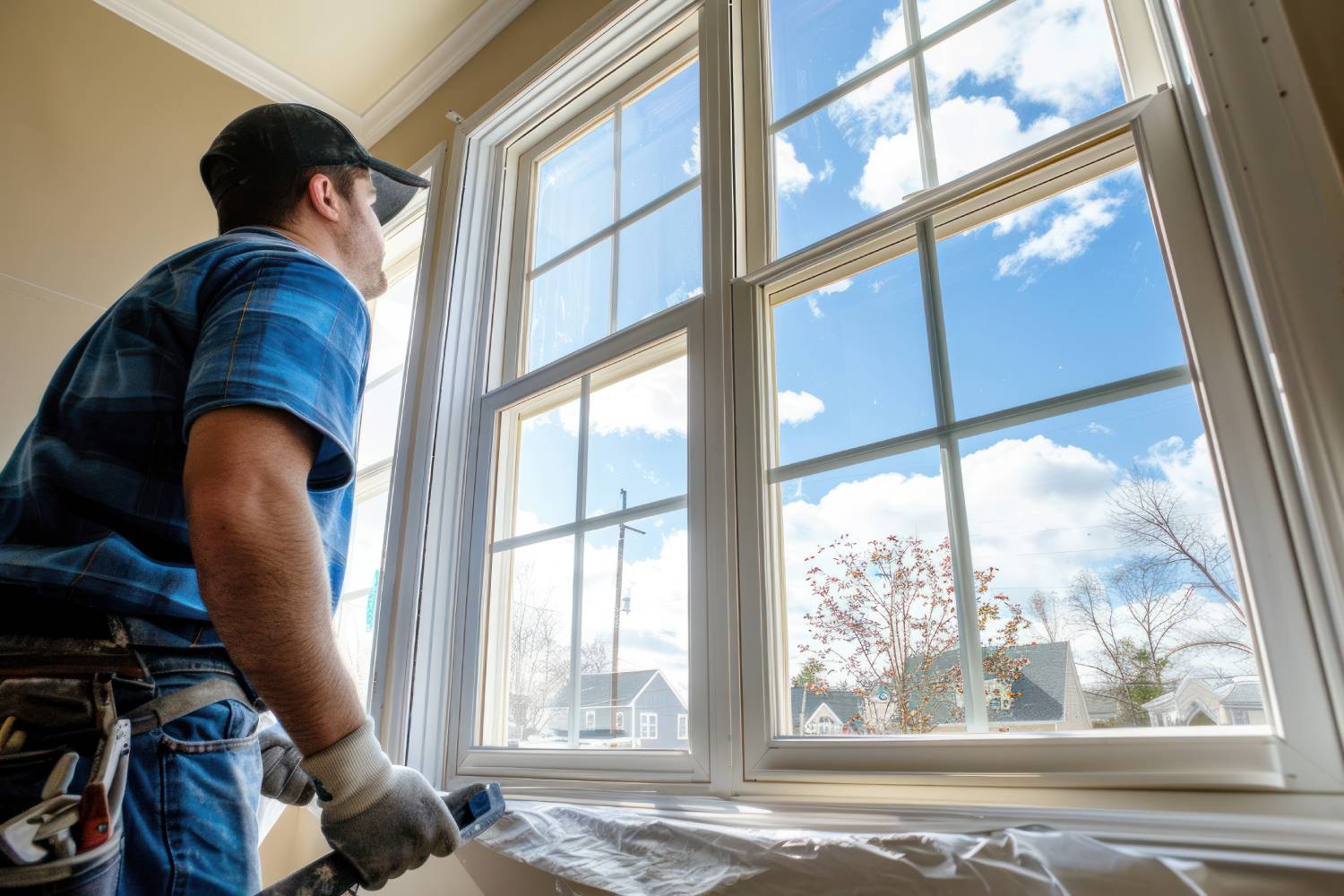
Proper installation is as important as the product you select. Hiring a professional contractor ensures a snug fit and maintains the manufacturer’s warranty. A reliable installer will also address potential framing or insulation issues during the job. For homeowners with construction or carpentry experience, DIY window installation may seem attractive, but improper installation can lead to air leaks, water intrusion, or voided warranties. Always weigh the benefits of professional artistry against the risks and complexity of a do-it-yourself project.
Cost and Incentives
The total cost to replace windows varies significantly depending on factors such as window material, size, glass type, and installation method. On average, homeowners can expect to pay between $300 and $1,000 per window, with custom options or high-end materials costing more. While the upfront cost can be substantial, energy savings and increased home value can offset this over time. Many areas offer financial incentives for upgrading to energy-efficient windows. These can include rebates from local utility companies or tax credits from state and federal governments.
Choosing a Contractor
Thoroughly vetting contractors helps ensure the success of your window replacement project. Start by researching local companies and reading customer reviews to gauge quality and reliability. Always verify that your installer is licensed, insured, and has experience with the products you choose. Obtain detailed written estimates that break down costs for materials, labor, and any potential extras. Transparent contractors will walk you through their process, warranty terms, and expected project timeline. For additional peace of mind, ask for references from previous customers.
Maintenance and Care
Regular care is necessary to extend the lifespan of your new windows and keep them performing their best. Clean window glass and frames regularly with mild soap and water to prevent dirt and grime buildup. Inspect frames, sashes, and glass for any signs of wear, such as leaks, cracks, or rot, at least twice a year. Check and replace weatherstripping or seals that appear worn to prevent drafts and maintain energy efficiency. With simple, routine upkeep, your windows will remain an asset to your home for years to come.
Conclusion
Replacing your home’s windows is one of the best investments you can make in comfort, efficiency, and resale value. By understanding the differences among window styles, materials, and installation methods, and by planning for maintenance, you can make informed decisions that benefit your home for years to come. Take time to investigate your options and consult trusted contractors to ensure your window replacement is smooth and rewarding.