

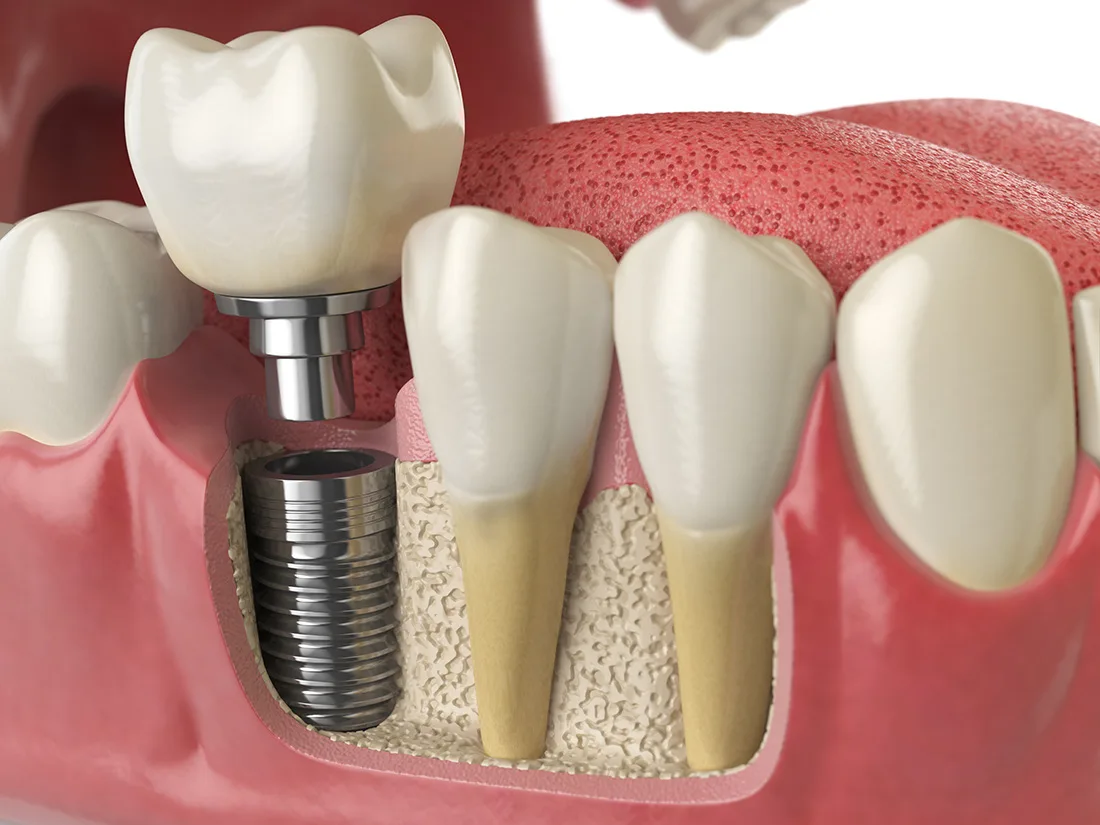
Dental Implants are widely considered one of the most effective and natural-looking options for replacing missing teeth. Whether a person has lost a single tooth due to injury, decay, gum disease, or age-related issues, implants can restore both the appearance and function of their smile. Unlike removable dentures or traditional bridges, dental implants are designed to act like artificial tooth roots, providing a stable foundation for replacement teeth.
With advances in dental technology, implant treatment has become more accessible, predictable, and comfortable than ever before. However, understanding the process, benefits, risks, and aftercare requirements is essential for anyone considering this treatment.
What Are Dental Implants?
A dental implant is a small post, usually made from titanium or a titanium alloy, that is surgically placed into the jawbone where a tooth is missing. Titanium is commonly used because it is biocompatible, meaning the body generally accepts it well. Over time, the bone grows around the implant in a process called osseointegration. This creates a strong and durable connection between the implant and the jawbone.
Once the implant has healed, a connector piece called an abutment may be attached. The final restoration—such as a crown, bridge, or denture—is then placed on top of the implant. The visible portion is carefully designed to match the shape, color, and size of surrounding teeth.
Dental implants can be used to replace:
- A single missing tooth
- Several missing teeth
- An entire arch of upper or lower teeth
- Loose or uncomfortable dentures
Why Missing Teeth Should Be Replaced
A missing tooth can affect far more than appearance. When a tooth is lost, nearby teeth may gradually shift into the empty space. This can change a person’s bite and make cleaning more difficult, increasing the risk of decay and gum problems.
Tooth loss can also lead to jawbone deterioration. The roots of natural teeth stimulate the jawbone through everyday chewing pressure. When a tooth is absent, the bone in that area may gradually shrink. Over time, this can alter facial contours and give the face a sunken or aged appearance.
Dental implants help address this issue because they are placed directly into the jawbone. Like natural tooth roots, they can provide stimulation that helps preserve bone density.
Benefits of Dental Implants
One of the main advantages of dental implants is their stability. Because they are anchored in the jawbone, they do not move or slip while eating, talking, or laughing. This is particularly beneficial for people who struggle with loose dentures.
Other important benefits include:
Natural Appearance
Implant-supported crowns are made to resemble natural teeth. A skilled dentist can match them closely to the color, translucency, and shape of surrounding teeth. In many cases, it may be difficult for others to tell that a person has an implant.
Improved Chewing Ability
Missing teeth and poorly fitting dentures can limit food choices. Dental implants can restore chewing strength, allowing patients to enjoy a wider variety of foods, including fruits, vegetables, meats, and nuts. While patients should still avoid damaging habits such as chewing ice or hard objects, implants generally provide strong biting function.
Better Speech
Traditional dentures may occasionally shift during speech, causing embarrassment or difficulty pronouncing certain words. Because implants are fixed in place, they can improve clarity and confidence while speaking.
Protection of Adjacent Teeth
A conventional dental bridge often requires the dentist to reshape neighboring healthy teeth in order to support the bridge. A single dental implant, however, usually stands independently. This means adjacent teeth can remain untouched.
Long-Term Durability
With proper care, dental implants can last for many years and may even last a lifetime. The crown attached to an implant may eventually need replacement due to normal wear, but the implant itself can remain stable for decades.
Increased Confidence
For many people, tooth loss affects self-esteem. Dental implants can help restore a complete smile and reduce the anxiety associated with eating, speaking, or smiling in public.
The Dental Implant Procedure
The exact implant process varies depending on a patient’s oral health, bone density, and treatment goals. In general, it involves several stages.
1. Initial Consultation and Planning
The dentist begins with a detailed examination of the mouth, gums, and jawbone. X-rays, digital scans, or 3D imaging may be used to evaluate bone structure and determine the best position for the implant.
The dentist will also review medical history, medications, smoking habits, and any conditions that may affect healing. A personalized treatment plan is then created.
2. Tooth Extraction, If Needed
If a damaged tooth is still present, it may need to be removed before implant placement. In some situations, an implant can be placed immediately after extraction. In others, the area needs time to heal first.
3. Bone Grafting, If Necessary
Not everyone has enough healthy jawbone to support an implant. If bone loss has occurred, a dentist may recommend bone grafting. This involves adding bone material to strengthen the implant site.
Healing after bone grafting can take several months, depending on the extent of treatment. Some patients may also require a sinus lift if implants are being placed in the upper back jaw, near the sinus cavity.
4. Implant Placement
During implant surgery, the dentist or oral surgeon makes a small incision in the gum and places the implant into the jawbone. Local anesthesia is typically used, and sedation options may be available for patients with dental anxiety.
After placement, the area is allowed to heal. Osseointegration generally takes several months, although healing time varies from person to person.
5. Abutment and Crown Placement
Once the implant has integrated with the bone, the dentist attaches an abutment. This supports the final crown, bridge, or denture. Digital impressions may be taken to create a restoration that fits comfortably and looks natural.
The final crown is then secured to the implant. After minor adjustments, the replacement tooth is ready for use.
Who Is a Good Candidate?
Many adults are potential candidates for dental implants. Ideal candidates generally have healthy gums, adequate bone support, and good oral hygiene habits. However, even people with bone loss may qualify after grafting or other preparatory procedures.
Certain factors can affect implant success, including:
- Smoking or tobacco use
- Untreated gum disease
- Poor oral hygiene
- Uncontrolled diabetes
- Heavy teeth grinding or clenching
- Certain immune system conditions
- Medications that affect bone healing
Having one of these factors does not automatically rule out implant treatment. It simply means the dentist may need to take additional precautions or recommend other options.
Risks and Possible Complications
Dental implant treatment has a high success rate, but no medical or dental procedure is entirely risk-free. Potential complications may include infection, implant loosening, nerve irritation, sinus problems in upper-jaw implants, or failure of the bone to integrate properly with the implant.
Peri-implantitis is another concern. This is an inflammatory condition affecting the gums and bone around an implant. It is often linked to plaque buildup, smoking, or untreated gum disease. Regular dental visits and effective daily cleaning are essential for preventing it.
Patients should contact their dental provider if they experience persistent pain, swelling, bleeding, mobility of the implant, or changes in their bite.
Caring for Dental Implants
Dental implants require consistent care, much like natural teeth. Although the implant itself cannot develop a cavity, the gums and bone around it can become infected.
Good implant care includes:
- Brushing at least twice a day
- Flossing daily, including around the implant
- Using interdental brushes or water flossers if recommended
- Attending regular dental checkups and cleanings
- Avoiding smoking and excessive alcohol use
- Wearing a night guard if you grind your teeth
- Avoiding chewing hard items such as ice, pens, or hard candy
A dentist or hygienist may recommend specific cleaning tools based on the type of implant restoration a patient has.
Conclusion
Dental implants offer a reliable and attractive solution for replacing missing teeth. They can improve chewing ability, support jawbone health, enhance speech, and restore confidence in one’s smile. Although the process can take several months and may involve additional procedures such as bone grafting, the long-term benefits are often significant.
The best way to determine whether dental implants are appropriate is to schedule a consultation with a qualified dentist, periodontist, or oral surgeon. With careful planning, skilled treatment, and proper maintenance, dental implants can provide a strong, functional, and natural-looking replacement for missing teeth.
 Anderson
  Anita
Anita