

Table of Contents
- Physical Signs of Neglect
- Emotional and Behavioral Changes
- Environmental Indicators
- Medical Neglect
- Steps to Take if Neglect is Suspected
- Conclusion
When families trust nursing homes to care for their loved ones, they expect safety, compassion, and dignity. However, for too many Atlanta families, noticing painful bedsores or pressure ulcers is a shocking sign that something is terribly wrong. Bedsores, also called pressure ulcers, develop in residents when basic care is neglected, often indicating a serious breach of duty by facility staff. Whether you are concerned about a loved one’s treatment or looking for information on next steps, this guide will help you recognize neglect and take action. If you notice these warning signs, consulting a specialized Atlanta bedsore nursing home lawyer is a crucial step to protect your loved one’s rights and dignity.
Addressing nursing home neglect promptly can improve a resident’s comfort and health. Pressure ulcers often worsen due to staff neglecting repositioning or hygiene. Recognizing signs and knowing where to seek help can prevent minor sores from becoming severe. Bedsores are more than painful wounds; they signal neglect and can lead to hospitalization, surgery, or infections. Though common in immobile patients, they are preventable through proper monitoring and movement by skilled caregivers. Ignoring these basics risks further neglect and highlights the need to observe physical and emotional changes in residents.
Physical Signs of Neglect
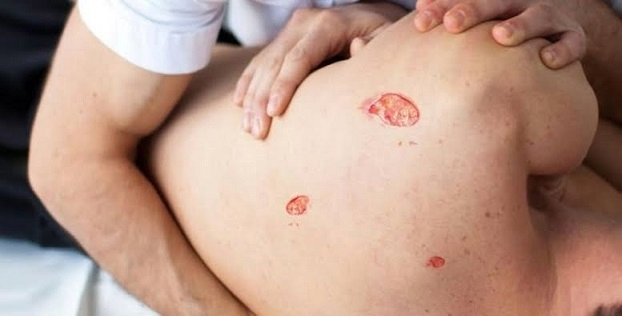
Physical evidence is often the clearest way that family members can detect neglect inside a nursing home. The most obvious warning sign is the appearance of bedsores, especially on the back, hips, heels, or elbows. Pressure ulcers occur when a resident isn’t repositioned consistently, which is a fundamental component of quality care. These painful sores can lead to deep tissue damage and severe infections if untreated.
Alongside bedsores, other physical signals of neglect include unexplained bruises, cuts, or even broken bones, all of which suggest rough handling or a dangerously understaffed facility. Rapid, unplanned weight loss can signal ongoing malnutrition or dehydration, while persistent poor hygiene, unwashed hair, dirty clothes, or foul body odor typically points to a lack of personal care support. For further insights on the risks and prevention of pressure ulcers, large health organizations like the Mayo Clinic provide valuable information for families and caregivers.
Emotional and Behavioral Changes
Beyond physical warning signs, neglect often leads to emotional and behavioral changes. A once-friendly and engaged resident who suddenly isolates themselves or becomes withdrawn may be showing the psychological impact of neglect. Unexplained depression or anxiety, especially when there is no known loss or trauma, should raise concern about possible mistreatment or loneliness caused by consistent neglect.
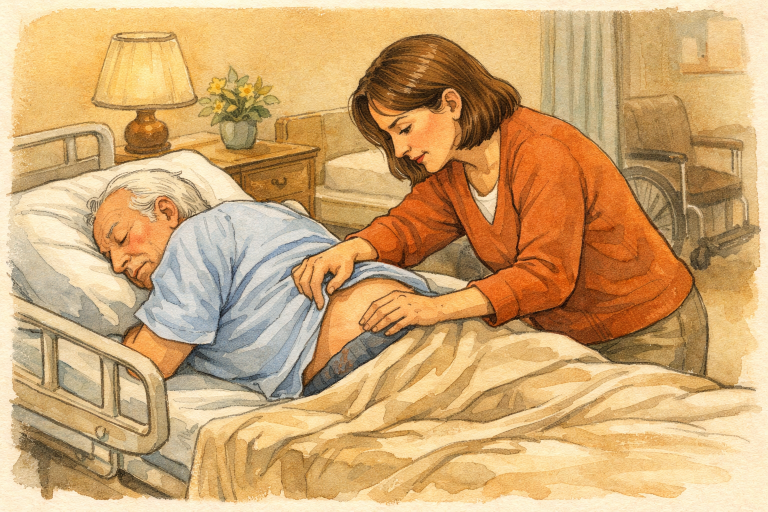
Fearful behavior, especially around specific staff members, can be another red flag. If a resident flinches, hesitates to speak, or clearly feels uncomfortable in the presence of caregivers, this may signal more serious issues, possibly extending beyond neglect into outright abuse.
Environmental Indicators
The environment within a nursing home speaks volumes about the standard of care residents receive. Pay attention to the facility’s overall cleanliness. Persistent odors, dirty floors, soiled bedding, or cluttered hallways show that basic hygiene and safety protocols are not being followed. Not only can this create an uninviting or unsafe space, but it can also directly contribute to residents developing infections and other health issues.
Beyond cleanliness, take a closer look at equipment and facilities. Broken wheelchairs, malfunctioning call buttons, inadequate lighting, or blocked fire exits are serious hazards that put every resident at risk. Hazards and neglect in facility upkeep are clear signals of broader issues within a nursing home, often linked to understaffing or poor management.
Medical Neglect
Negligence in providing basic medical care in nursing homes has devastating consequences. This may appear as untreated bedsores, ignored illnesses, missed medications, or frequent and untreated infections. Failing to manage medical conditions or to provide timely treatment escalates what may begin as a minor health issue into a serious, sometimes life-threatening situation.
Medication errors are a common warning sign, ranging from missed doses to incorrect prescriptions. Each error poses an immense risk to the vulnerable patient population in a nursing home. Families should always take rapid action upon discovering any signs of medical neglect, as quick intervention can often prevent further harm.
Steps to Take if Neglect is Suspected
- Document Everything: Record every instance of a bedsore, change in behavior, or deteriorating cleanliness, including dates and photographs when possible.
- Communicate with Care Staff: Give administrators and managers a chance to explain and resolve issues, but do not settle for vague answers or ongoing delays.
- Report to Authorities: If the neglect continues, or your concerns go unaddressed, reach out to Georgia’s Department of Community Health or Adult Protective Services to file a formal complaint. You can contact the Department of Community Health at 1-800-878-6442 or file a complaint online through their Long-Term Care Facility Complaints page.
- Seek Legal Help: You have the right to demand accountability and protection for your loved one. An experienced nursing home abuse lawyer familiar with Atlanta’s legal landscape can guide you through your options and next steps.
Family members play a vital role in protecting elderly residents. By staying vigilant, looking out for physical, emotional, and environmental warning signs, and taking action immediately, you can safeguard the wellbeing of your loved ones and others in your community.
Conclusion
In conclusion, recognizing the warning signs of nursing home neglect is essential for protecting vulnerable loved ones from ongoing harm. Physical injuries, emotional withdrawal, unsafe living conditions, and lapses in medical care all point to serious failures in resident support and supervision. Families who remain observant and proactive can help identify neglect early and ensure their loved ones receive the dignity, safety, and proper care they deserve. Taking immediate action when concerns arise can prevent further suffering and hold negligent facilities accountable for their residents’ well-being.