

Table of Contents
- What Is a Bail Bond?
- Common Myths About Bail Bonds
- The Reality of Bail Bonds
- Real-Life Scenarios
- Conclusion
Understanding the bail bond system is essential for those who may encounter the justice system. The concepts of bail and the process of securing release from custody are particularly given the widespread misinformation surrounding them. Whether you are helping a loved one or navigating an arrest yourself, knowing the ins and outs of how bail bonds work can make a significant difference. If you are searching for a straightforward way to post bail Yadkin NC, it is important to separate the facts from the common myths.
Mainstream media often show bail bonds as a dramatic rush for freedom or as something reserved for serious crimes. This leads to confusion and unrealistic expectations regarding the process and obligations involved. For those facing the uncertainty of time spent in jail, bail bonds can be a critical lifeline, allowing them to await trial at home rather than behind bars.
The bail bond industry serves people from all walks of life, no matter the severity of their crime. The system’s complexity is often misunderstood, especially regarding who can use bail bonds, the fees involved, and the responsibilities of both defendants and co-signers.
In this article, we clear up common misconceptions, explain the realities, and present a real-life scenario to highlight the practical implications of the bail process. Our goal is to help you make informed decisions when it matters most. For more on trends and discussions about bail reform and the wider justice system, visit The New York Times U.S. News section.
What Is a Bail Bond?
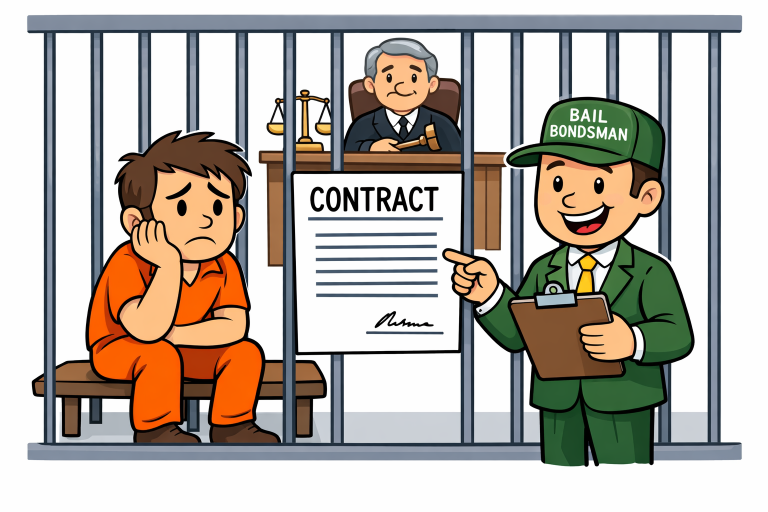
A bail bond is a legal contract that enables an arrested person to be released from jail while awaiting trial. When someone is arrested, a judge decides the amount of bail based on the type of crime, the defendant’s background, and the likelihood that they will appear in court. If the defendant does not have the full bail amount, they can approach a bail bondsman, who will post bail for a non-refundable fee of about 10% of the bail set by the court.
This fee represents the risk and service provided by the bail bondsman, who, in return, assumes responsibility for the defendant’s appearance at all court dates. If the defendant fails to appear, the full bail amount becomes due, and the bail agent may use collateral, such as property or vehicles, to recover the bail amount.
Common Myths About Bail Bonds
Myth 1: Bail Bonds Are Only for Serious Crimes
A common misconception is that bail bonds are reserved for those accused of severe offenses. Bail bonds can be used for a wide array of charges, from misdemeanors to non-violent infractions. Even those charged with minor offenses may need financial help to secure release before trial. The availability of bail bonds ensures equal opportunity for release regardless of the alleged crime.
Myth 2: Bail Bondsmen Can Negotiate Bail Amounts
Some believe bail bond agents can convince judges to reduce bail. In reality, only judges set or modify bail amounts. Bail bond agents play an essential role in the process by providing access to funds, but they do not influence judicial bail decisions. This important distinction ensures that the fairness and authority of the court system remain intact.
Myth 3: Using a Bail Bond Means You’re Guilty
An additional myth is that posting bail with a bond is an admission of guilt. Bail is a fundamental right that supports the presumption of innocence before proven guilty. Using a bail bond allows people to maintain family obligations, work, and prepare a legal defense.
The Reality of Bail Bonds
Understanding how bail bonds actually work is essential for anyone involved:
- Financial Responsibility: When you sign a bail bond contract, you (or your co-signer) are responsible for ensuring the full bail amount is paid if the defendant skips court. Bondsmen provide a valuable service, but they expect compliance with all requirements.
- Collateral Requirements: Many bail agents request collateral, such as a car, jewelry, or real estate, in case the defendant misses court. This protects the bondsman and can be lost if obligations are not met.
- Legal Obligations: Defendants must comply with all court-ordered conditions and make all required appearances. Missing just one date could have severe financial and legal consequences, including forfeiture of collateral and the issuing of an arrest warrant.
Understanding these obligations is central to making informed choices about engaging a bail bond service. For more information on the broader impact and evolution of the bail system, see this HISTORY overview.
Real-Life Scenarios
Case Study: Maria’s Experience
Maria, a single mother, was arrested for a relatively minor offense. Her bail was set at a price she could not afford, so she worked with a bail bondsman. She paid the non-refundable fee and provided her car as collateral. Unfortunately, Maria missed a court date due to a miscommunication. The judge issued a warrant for her arrest, and she faced the possibility of forfeiting her collateral. This scenario highlights the necessity of carefully following all requirements when using bail bonds, as even honest mistakes can have serious consequences.
Conclusion
Misinformation about bail bonds can result in confusion and costly mistakes. By reviewing common myths, the realities and obligations of the bail bond process, and real-world scenarios, it is easier to make informed decisions when confronting the legal system. Understanding both the benefits and responsibilities of bail bonds empowers you to protect your interests and those of your loved ones during a challenging time.