

Table of Contents
- Understanding Crates, Pallets, and Skids
- Key Differences Between Pallets and Skids
- When to Use Crates
- When to Use Pallets
- When to Use Skids
- Material Considerations
- Cost and Environmental Impact
- Final Thoughts
Shipping products safely and efficiently requires choosing the proper platform for your cargo. Whether you select a crate, pallet, or skid, the right choice can impact the security and cost-effectiveness of your shipping process. Understanding the unique benefits and uses of these platforms is key, especially in industries where product integrity, environmental considerations, and handling efficiency are priorities. Explore options for custom wood skids South Carolina to meet specific shipping requirements.
Making the right decision depends on cargo type, shipment method, and overall safety needs. Companies that take the time to match their platform choice with their operational realities see long-term savings and fewer transport issues. Let us examine what sets crates, pallets, and skids apart, helping you optimize your shipping operations for maximum safety and efficiency.
Understanding Crates, Pallets, and Skids
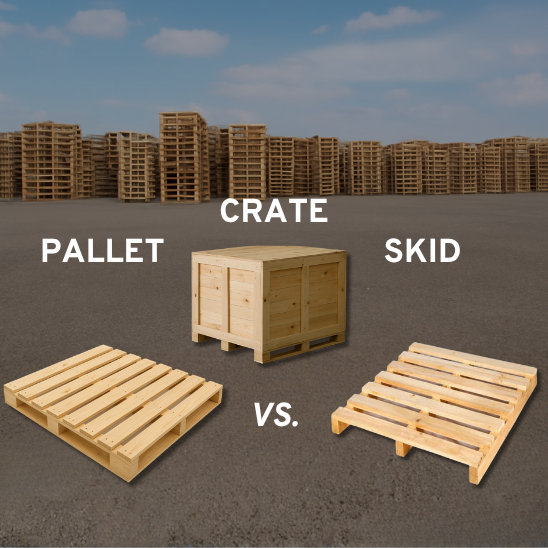
Crates, pallets, and skids serve as the foundation for secure shipping. Each one is suited to different types of cargo and shipping environments, making it important to understand their core characteristics before making a selection.
- Crates: Crates provide an enclosed container for goods, usually crafted from wood. Their main purpose is to fully protect items during transit, shielding them from external forces and environmental hazards.
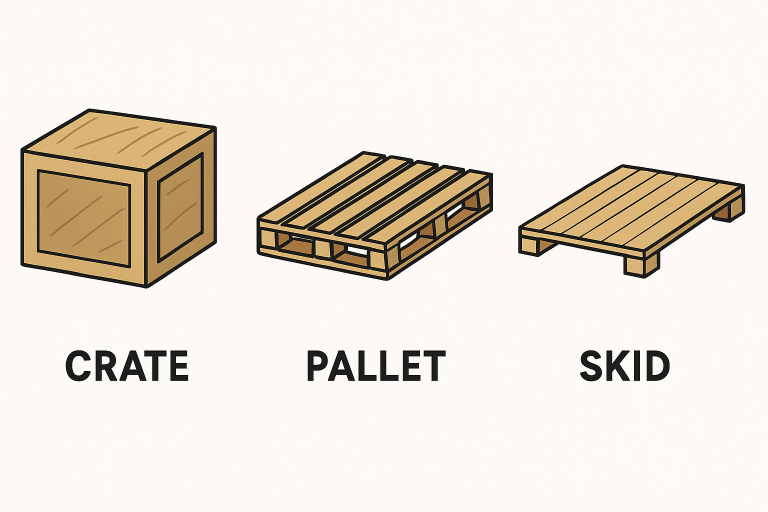
- Pallets: These are flat platforms with both a top and a bottom deck. This double-layered composition provides rigid support and enables easy handling with both forklifts and pallet jacks.
- Skids: Skids are like pallets but lack the bottom deck. They are lightweight and are particularly useful when shipping cargo that needs to be moved by dragging or for temporary static storage.
Key Differences Between Pallets and Skids
Pallets and skids are often confused, yet have distinct construction and usage scenarios. The principal difference lies in the design; pallets have a bottom deck, while skids do not. This influences their handling, storage, and cost.
- Stability: Pallets with two decks provide cargo with greater stability during transit and allow for greater stacking.
- Versatility: Pallets are ideal for environments where goods are moved frequently, especially in busy warehouses or on international shipments.
- Cost and Handling: Skids, being simpler and lighter, are easier to drag and less expensive for single-trip shipments, but are less stable for stacked loading.
Ultimately, your product type and transportation environment will determine which platform best drives efficiency while protecting your cargo during the journey.
When to Use Crates
Crates shine in situations demanding maximum protection and security. Key use cases include:
- Transporting fragile goods such as electronics, glassware, or industrial components.
- Shipping high-value items that require theft deterrence or privacy.
- Sending goods overseas or through harsh climates, where weather and moisture could affect the contents.
- Situations where goods must be stacked high without crushing the cargo inside.
Crates are also customizable, offering reinforced sides or internal bracing to match specific product dimensions and protection levels.
When to Use Pallets
Pallets are the backbone of modern logistics, ideal for industries that prioritize fast movement and stacking efficiency:
- Bulk shipments of uniform boxes or items that require consistent stacking and machine-assisted movement.
- Goods transported between multiple locations using forklifts or pallet jacks, allowing for rapid loading and unloading.
- Warehouses are seeking to maximize vertical and horizontal storage space.
Pallets are typically standardized, which streamlines logistics and ensures compatibility with global shipping practices.
When to Use Skids
Skids have a history as the original freight platform. They are still relevant in scenarios where simplicity and cost control outweigh stacking needs:
- Moving heavy machinery that must be dragged to a final position after shipping.
- Static storage for goods that will not be moved frequently, eliminating the need for forklift lifting.
- Projects or industries requiring a budget-friendly solution for one-way shipments or post-delivery disposal.
Simple and affordable, skids can be easily recycled or disposed of after use, offering practical benefits for temporary or project-based freight needs.
Material Considerations
The durability and safety of your platform depend on the materials chosen. Wood, plastic, and metal each offer unique strengths and risks:
- Wood: Popular for affordability and strength. Must comply with ISPM 15 treatment for international use to prevent pest transfer.
- Plastic: Lightweight and weather-resistant. Slightly more expensive but longer-lasting, ideal for clean storage or repeated use.
- Metal: Extremely durable and can support heavy loads, but is costly and may be overkill for simple freight.
Carefully balance material choice with expected shipment distances, cargo sensitivity, and reusability requirements.
Cost and Environmental Impact
Upfront costs can vary widely depending on material, size, and intended reusability. Wooden platforms are often the most cost-effective for one-way shipments, but may not last as long as plastic or metal alternatives. Reusable and recyclable products contribute to a more sustainable supply chain. Using techniques like heat treating wood and opting for modular, repairable pallets and skids extends product life and reduces waste. Companies are also encouraged to monitor their carbon footprint and to consider end-of-life options for each platform type.
Final Thoughts
Selecting the right shipping platform will determine the safety and efficiency of your supply chain. Crates provide robust protection and secure valuable items. Pallets offer convenience and standardization for busy warehouses and fast-moving goods. Skids remain an affordable and adaptable solution for static or heavy loads. By assessing your shipment’s demands and balancing cost, durability, and sustainability, you can ensure the optimal handling and preservation of your products in transit.