

Table of Contents
- Introduction to Dermal Fillers
- Biostimulatory Fillers: The New Frontier
- Combination Therapies for Enhanced Results
- Personalized Treatment Plans
- Safety and Regulatory Considerations
- Future Trends in Dermal Fillers
- Conclusion
Dermal fillers have become a cornerstone of contemporary skincare, providing individuals with minimally invasive options to rejuvenate their appearance and address age-related changes. The versatility and effectiveness of these treatments have driven a surge in popularity, not only among those seeking to reduce wrinkles but also among clients seeking subtle, natural enhancements. For those interested in exploring the benefits of advanced fillers firsthand, Juvederm facial filler treatments in Salt Lake City offer a safe and customized approach tailored to individual needs. The continual advancements in filler materials, injection techniques, and holistic treatment planning have redefined what is possible in non-surgical facial aesthetics.
Beyond traditional wrinkle reduction, modern dermal fillers can restore facial volume, lift sagging features, and even improve skin texture. Practitioners now have an expanded toolkit to address a diverse range of aesthetic concerns, from early signs of aging to more pronounced facial volume depletion. As more people prioritize procedures with minimal downtime, dermal fillers offer an attractive alternative to surgery, empowering clients to pursue refreshed, natural results that fit their lifestyles. In this comprehensive guide, we explore the scientific advances and clinical innovations driving the evolution of dermal fillers and highlight best practices for achieving beautiful outcomes.
Introduction to Dermal Fillers
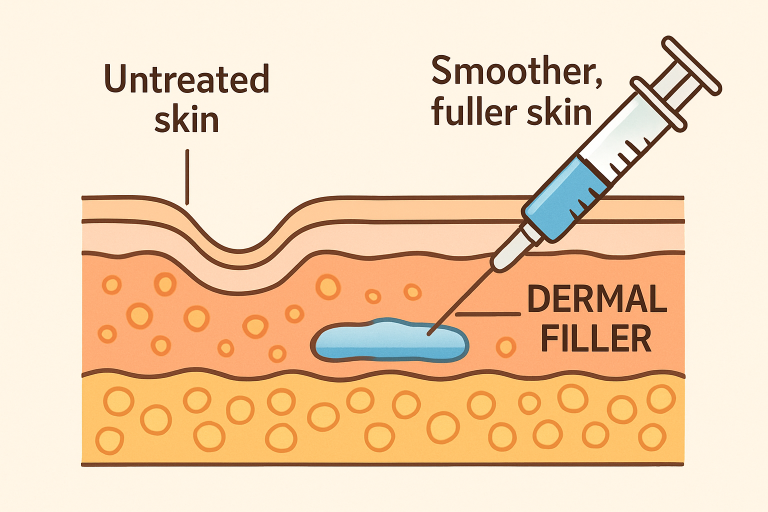
At their core, dermal fillers are gel-like substances injected beneath the skin to restore lost volume, soften wrinkles, and contour facial features. Hyaluronic acid (HA), a substance naturally found in the body, is the most widely used filler material. Its water-binding properties deliver immediate, smooth results with little to no downtime, making HA-based fillers especially popular among first-time patients. In recent years, new filler options and advanced formulations have emerged, paving the way for more subtle and longer-lasting enhancements. According to a Harvard Health review, these innovations are allowing practitioners to deliver highly tailored results while maintaining maximum safety.
With proper assessment and injection techniques, dermal fillers can address a range of needs—from smoothing fine lines around the eyes to rebuilding cheek and jawline definition. By working with an experienced provider, patients can expect improvements that enhance their existing beauty rather than drastically alter their appearance. The appeal of dermal fillers lies in their flexibility, predictable outcomes, and growing track record of patient satisfaction.
Biostimulatory Fillers: The New Frontier
Biostimulatory fillers mark an important step forward in nonsurgical aesthetics. Unlike traditional fillers that physically fill in space, these innovative products encourage the body to produce its own collagen and elastin over time. Options like Sculptra (poly-L-lactic acid) and Radiesse (calcium hydroxylapatite) deliver initial improvements that gradually become more pronounced in the months following treatment, resulting in firmer, more youthful-looking skin.
Because biostimulatory fillers strengthen the skin’s internal support structure, they are often chosen by clients seeking to address midface sagging or overall skin laxity. Results can last up to 2 years, reducing the need for frequent touch-ups. Additionally, these fillers can enhance skin quality, smooth crepey texture, and stimulate new tissue formation for a naturally rejuvenated look.
Combination Therapies for Enhanced Results
While fillers are effective on their own, the trend toward combination therapy has been growing rapidly among leading aesthetic clinics. By layering fillers with treatments such as laser resurfacing, ultrasound, or radiofrequency energy, practitioners can address multiple signs of aging in a single comprehensive plan. Neurotoxins, such as Botox, are often combined with fillers to relax dynamic wrinkles and optimize facial balance.
Combination approaches enhance both texture and contour, providing natural-looking improvement without a “frozen” or overdone appearance. According to Allure, many providers use this synergy to help clients realize full-face rejuvenation while preserving expression and individuality.
Personalized Treatment Plans
The evolution of dermal fillers is linked to patient-centered care, with modern injectors using assessments and digital tools like 3D mapping and imaging to create personalized treatment plans. These ‘filler maps’ guide precise injections, ensuring results match natural features. Customization also involves choosing the right filler type—firmer for cheeks, softer for lips or tear troughs—reducing risks, enhancing durability, and promoting natural beauty.
Safety and Regulatory Considerations
The rapid expansion of the filler market has made safety and regulation top priorities for both patients and practitioners. National and international health bodies are now enacting stricter standards, including thorough injector training, credentialing requirements, and the use of only FDA-approved products. Enhanced protocols help minimize potential complications such as infection, allergic reactions, or vascular events, making dermal filler procedures safer than ever.
Patient education is also emphasized, with reputable clinics providing detailed guidance on pre-and post-procedure care. Choosing a provider who adheres to the latest regulatory standards ensures both peace of mind and optimal outcomes in line with the latest research and practice guidelines.
Future Trends in Dermal Fillers
The future of dermal fillers is driven by innovation and sustainability. Researchers are developing longer-lasting, biodegradable fillers to decrease treatment frequency and environmental impact. Regenerative medicine, such as stem cell-based fillers and growth factor technologies, may improve results by promoting tissue regeneration. As consumer demand leans toward subtle, natural-looking outcomes, fillers are evolving to provide personalized results that match individual features. The global market is expected to grow, showing increasing trust in injectable treatments. Advances will likely improve product safety, procedural planning, and patient experience, keeping dermal fillers at the forefront of noninvasive cosmetic medicine.
Conclusion
Dermal fillers have revolutionized the modern approach to facial rejuvenation, providing accessible and effective solutions for contouring, volumizing, and revitalizing the skin. With an unwavering commitment to safety, customization, and natural-looking results, practitioners and clients alike are embracing the transformative power of advanced filler science. As technology and expertise progress, dermal fillers are set to play an even greater role in helping individuals look and feel their best at every age.