

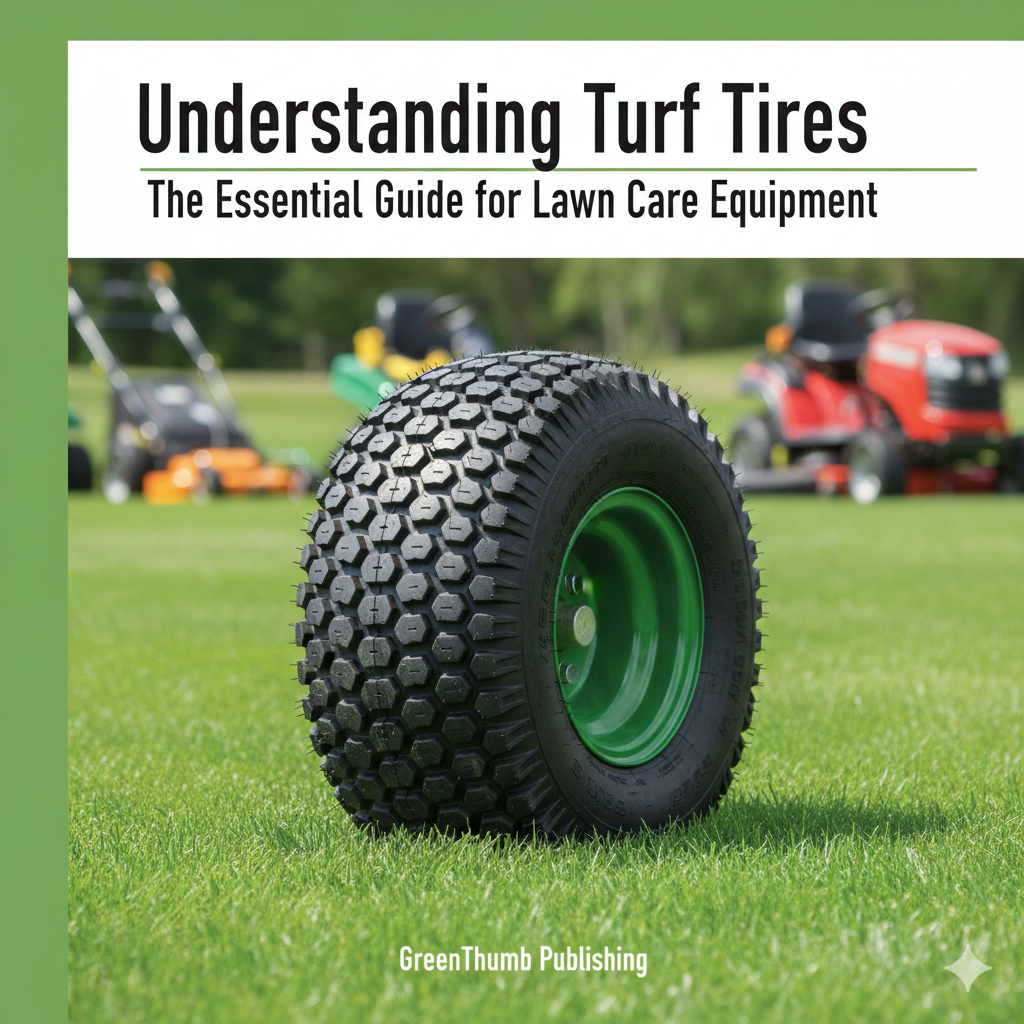
When it comes to maintaining a lush, green lawn, every Turf Tires detail matters. Whether you’re dealing with a residential garden or commercial turf care, the equipment you use plays a crucial role in how efficiently and effectively you maintain the landscape. Among the most important components for any lawn care machine—be it a riding mower, tractor, or utility vehicle—are the tires. Turf tires, specifically designed for use on grass, soil, and delicate surfaces, are an essential part of ensuring your lawn stays pristine and free of damage.
What are Turf Tires?
Turf tires are a specialized type of tire designed to be gentle on grass and soft terrain. They are often found on lawnmowers, riding tractors, and various outdoor vehicles used for landscaping and turf maintenance. Unlike standard rubber tires, which may cause damage to grass by compacting the soil or tearing up the surface, turf tires are engineered to distribute the weight of the vehicle more evenly. This helps to prevent rutting and minimizes harm to the delicate turf.
The distinguishing feature of turf tires is their tread pattern. Typically, they have a smooth or lightly patterned surface, which allows for better weight distribution and reduced ground disturbance. The tread is designed to provide adequate grip on soft and often slippery surfaces like grass or mud without causing excessive damage.
Key Features of Turf Tires
- Low Ground Pressure: Turf tires are designed to spread the weight of the machine over a larger surface area. This feature helps to reduce the pressure applied to the ground, making it ideal for preventing tire ruts or tracks in your lawn.
- Smooth or Light Tread Patterns: Turf tires typically have less aggressive tread patterns than regular tires. This allows the vehicle to move smoothly across grass without tearing it up. The lack of deep treads also minimizes soil disruption.
- Wide, Rounded Profile: The shape of turf tires is generally wider and rounder compared to standard tires. This design helps in evenly distributing the vehicle’s weight and provides better stability, reducing the likelihood of the tires sinking into the ground.
- Durability: Turf tires are designed to be durable and long-lasting, as they often endure frequent use on uneven terrains. The rubber is reinforced to provide resistance to wear and tear, but it’s also soft enough to minimize damage to grass.
- Non-Marking: Some premium turf tires are designed to leave no visible tracks or marks on your lawn, ensuring that your turf looks pristine after each use.
Types of Turf Tires
Turf tires come in different varieties, depending on the intended use and the type of vehicle. Here are some of the most common types:
1. Turf Saver Tires
Turf Saver tires are designed specifically for riding lawnmowers and tractors. They feature a minimal tread pattern, offering the least amount of disruption to grass surfaces. These tires are perfect for residential lawns where maintaining the aesthetic of the grass is a priority.
2. Traction Tires
Traction turf tires are designed to provide better grip on wet or slippery surfaces. They typically have a more pronounced tread pattern than Turf Saver tires but still feature a relatively light design. These are ideal for terrains where the soil is softer or more prone to becoming muddy, as they offer enhanced stability.
3. V-Trac Tires
V-Trac tires are often used for heavier machinery or utility vehicles that require a bit more grip while still being gentle on turf. These tires feature a “V” shaped tread pattern that provides additional traction while minimizing damage to grass. They’re ideal for both turf maintenance and general utility tasks.
4. Polyurethane Tires
Polyurethane turf tires are typically used on lighter equipment, such as golf carts and small tractors. These tires have a solid construction and are resistant to punctures, making them a good choice for vehicles used on a wide range of turf environments.
Benefits of Turf Tires
- Minimal Lawn Damage: As mentioned earlier, turf tires reduce the likelihood of damaging your lawn. Their design helps prevent soil compaction and minimizes the creation of visible tire tracks, preserving the aesthetics of the turf.
- Improved Maneuverability: The soft tread and low-pressure design of turf tires make it easier to maneuver your lawnmower or other landscaping equipment, especially in tight or sensitive areas where precision is required.
- Increased Longevity: Since turf tires are less aggressive than standard tires, they cause less wear and tear on the machine. As a result, they can increase the overall lifespan of your lawnmower or utility vehicle, reducing the need for costly repairs and replacements.
- Better Traction on Soft Surfaces: While they are gentler on turf, turf tires still provide sufficient traction on grassy surfaces, offering stability even on slightly uneven or wet lawns.
- Cost-Effective: Though turf tires might initially cost a bit more than regular tires, their long-lasting durability and ability to protect your lawn from damage make them a worthwhile investment for those who prioritize lawn health.
Choosing the Right Turf Tire
When selecting the right turf tire for your lawn care equipment, consider the following factors:
- Vehicle Type: Different vehicles require different types of tires. A riding mower will need a different type of turf tire compared to a commercial-grade utility vehicle.
- Terrain Type: Consider the type of lawn or field you will be working on. If your terrain is soft or prone to mud, a tire with a slightly more aggressive tread might be necessary. For dryer, firmer turf, a lighter tread tire will suffice.
- Load Capacity: Make sure that the tire you choose can support the weight of the vehicle, particularly if you’re working with heavier equipment.
- Climate Conditions: Weather can influence tire performance. If you are working in wet or dewy conditions, you might require a tire that offers better traction to prevent slippage.
Conclusion
Turf tires are an essential part of maintaining healthy, beautiful lawns without causing undue harm to the surface. Whether you’re a homeowner looking to maintain your yard or a professional landscaper responsible for large-scale turf care, choosing the right turf tire can make all the difference. By offering a blend of durability, gentle contact with grass, and enhanced traction, turf tires help ensure that your lawn care equipment performs at its best while preserving the integrity of your landscape.