

Key Takeaways
- Buildings constructed before the 1980s are at higher risk of containing asbestos.
- Renovations, visible damage to materials, and unexplained respiratory problems can signal the need for an inspection.
- Early detection of asbestos helps reduce potential health risks and ensures compliance with relevant regulations.
Asbestos was widely used in building materials for decades before its health dangers were revealed. Many homes, commercial facilities, and schools relied upon products such as insulation, fireproofing materials, and floor tiles that contained asbestos fibers. When asbestos fibers become airborne, they pose a severe threat to indoor air quality and occupant health, potentially causing long-term damage such as lung disease and cancer when inhaled. If you suspect your property might have asbestos, a professional asbestos inspection is essential for peace of mind and to inform your next steps.
Identifying and addressing asbestos hazards promptly can prevent exposure and support compliance with local, state, and federal regulations. Whether you are maintaining an older property, preparing for renovations, or dealing with damaged materials, knowing when to inspect can help reduce risks associated with asbestos. Protecting your investment and those who live or work within your building is always worth the effort, as legal liabilities and health costs from exposure can be severe.
If an inspection reveals the presence of asbestos, swift and professional intervention may be necessary to protect everyone in the building. Licensed abatement teams possess the necessary training and equipment to safely and legally remove hazardous materials.
Age of the Property
One of the most telling indicators of asbestos risk is the age of your property. Structures built before the 1980s commonly used asbestos-based products in insulation, ceiling tiles, roofing, siding, fireproofing, and flooring. This was before the United States started limiting its use after the risks became well-documented, and before modern alternatives were widely available. Homeowners and property managers should pay special attention to original materials in properties dating from this era, including mechanical systems, old ductwork, HVAC insulation, plaster, and vinyl. If your property dates back to this era or you are unsure of its exact age, scheduling an inspection is crucial, as many older materials may still be intact and undisturbed—yet hazardous if damaged or dismantled.
Planned Renovations
Renovating or remodeling can disturb materials containing asbestos, increasing the chance that fibers will become airborne and inhaled. This risk is especially pronounced during demolition, drilling, sanding, scraping, or any removal of old materials, even if the property appears well-maintained. Before tearing down walls, replacing old flooring, or disturbing textured ceilings, an inspection will help you identify what requires special care or professional remediation, including asbestos removal. In commercial properties, workplace safety laws often require an asbestos survey prior to any work. It’s not just a safety issue—compliance with local and national regulations may also require pre-renovation asbestos surveys. These surveys not only keep workers safe but may also be necessary to properly plan and execute asbestos removal, ensuring regulatory compliance and protecting both occupants and contractors.
Visible Damage to Building Materials
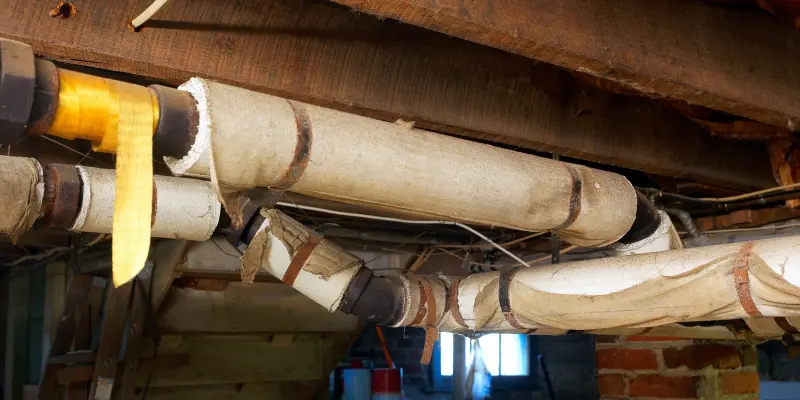
Damaged, fraying, or deteriorating materials, such as pipe insulation, floor tiles, wall panels, or siding, are warning signs of asbestos. As these materials wear down over time, microscopic fibers can be released into the building’s air without any visible dust. Suspicious materials may appear chalky, crumbly, or warped and can be found in less-trafficked areas, such as basements, attics, or utility closets. If you spot visible damage anywhere in your property, especially if it was built before the 1980s, seek a professional assessment immediately to evaluate and address any associated risks. Never attempt to sweep or vacuum this material, as doing so can further disturb and spread allergens and fibers.
Presence of Vermiculite Insulation
Vermiculite insulation, often found as loose granules in attics, was widely used up until the late 20th century. It is lightweight, fire-resistant, and sometimes appears as shiny, flaky pebbles. A significant portion of this insulation came from mines contaminated with asbestos, posing a serious risk in many American homes. If you have vermiculite insulation, avoid disturbing it by cleaning, moving, or storing items in the area, as this can release hazardous fibers into the air. Arrange prompt testing to detect asbestos content. The EPA provides important guidance on vermiculite and asbestos for homeowners and property managers. Depending on lab results, your next steps may include sealing, encapsulation, or full removal by abatement professionals.
Unexplained Respiratory Issues
Persistent coughing, wheezing, or shortness of breath in building occupants can be a sign of exposure to airborne irritants, including asbestos fibers, particularly when symptoms do not improve or resolve on their own. Although other environmental or medical factors may be to blame, asbestos-related illnesses often have subtle and gradual onsets. If medical investigations rule out other causes, consider whether construction materials or recent work around your property may be contributing to the issue. An indoor air quality assessment that includes asbestos testing can provide critical information and peace of mind, especially if occupants include young children, seniors, or people with pre-existing respiratory conditions.
Recent Natural Disasters
Floods, fires, hurricanes, earthquakes, and major storms can cause or exacerbate damage to building materials that would otherwise remain intact and undisturbed. As a result, properties affected by disaster may face increased risk from asbestos and other environmental hazards. If your property has suffered damage from recent natural disasters, prioritize an asbestos inspection before proceeding with restoration efforts to ensure a healthy rebuild. Insurance adjusters, restoration contractors, and emergency response teams often require environmental testing as a precaution, both to mitigate liability and to facilitate the recovery process.
Occupational Exposure
Individuals who work with or around asbestos (for example, in construction, shipyards, mining, or auto repair) may unknowingly transport fibers home on their clothes, shoes, tools, or equipment. This brings the risk of secondhand exposure to family members or other building occupants. Regular inspections and cleaning protocols are essential for properties where occupational exposure is likely to safeguard the health of all residents and visitors. Even if asbestos is not known to be present in your building materials, tracking in dust or debris can create hidden hazards over time.
Nearby Asbestos Removal Activities
Even if your property has never tested positive for asbestos, recent removal work in the vicinity can increase your risk, especially in densely populated areas or multi-unit buildings. Asbestos fibers can drift on the wind, potentially contaminating adjacent properties and common areas such as hallways, HVAC systems, or ventilation ducts. After any nearby abatement projects, a precautionary inspection ensures your continued safety, reassures occupants, and builds trust with tenants or visitors who may be concerned about their own health.
Final Thoughts
Early detection and intervention are key to preventing the health hazards associated with asbestos exposure. If your property meets any of the warning signs above—whether it’s age, damage, renovation plans, or evidence of health issues—consult with a licensed asbestos professional to arrange a comprehensive inspection. Staying proactive can safeguard your health, ensure compliance with evolving regulations, and protect your property value in the long term. Small steps taken today can protect lives and investments for years to come.
 Anderson