
Table of Contents
- Understanding Modern Learners
- Integrating Technology in Curriculum
- Emphasizing Interdisciplinary Approaches
- Implementing Competency-Based Learning
- Fostering Student Agency
- Designing Flexible Learning Environments
- Addressing Special Learning Needs
- Conclusion
Today’s classrooms are transforming as educators work to address the challenges of an interconnected, tech-driven world. Responsive curriculum design now plays a crucial role in equipping students with the relevant skills, mindsets, and adaptability necessary for future success. From the rapid expansion of digital tools to the embrace of interdisciplinary learning, change is essential for both educators and students. This shift can be observed in many innovative schools, including high schools offering advanced STEM programs in Sandy where educational models reflect the diverse needs of modern learners.
Adapting curriculum design means moving beyond traditional lectures and static textbooks. It emphasizes real-world connection, personalized experiences, and active student participation core ingredients for deep, lasting learning. Whether by integrating emerging technology, reimagining assessment, or providing flexibility in learning pathways, teachers are empowered to create vibrant, inclusive learning environments for all students.
Modern curriculum design is not just for the tech-enthusiast. It’s about fostering curiosity, critical thinking, and lifelong learning skills relevant in a globalized society. By engaging with new methodologies, teachers ensure their classrooms are not only reactive to today’s needs but also proactive about tomorrow’s opportunities.
This article offers a comprehensive guide to the essential pillars of effective curriculum adaptation, highlighting key strategies and approaches that reflect current best practices in student-centered learning.
Understanding Modern Learners
Students today are more technologically adept and globally connected than any previous generation. Raised with access to digital information and instant communication, these learners often prefer interactive, dynamic experiences to passive content delivery. They show greater agency in exploring personal interests and expect relevance between classroom content and real-world application. To make learning meaningful, educators must understand not just the academic needs, but also the social, emotional, and cultural contexts shaping today’s students. Research shows that personalizing instructional approaches, such as through adaptive learning technologies, yields stronger engagement and outcomes for diverse learners.
Integrating Technology in Curriculum
Technology is more than a classroom accessory; it is a powerful enabler of personalized and differentiated instruction. Tools like learning management systems, artificial intelligence-based tutoring, and virtual reality simulations can help teachers tailor content to individual student needs. For example, VR can immerse students in historical settings or complex scientific concepts, making abstract content tangible and memorable. Collaborative platforms foster teamwork and mirror the digital collaboration environments students will encounter in future academic and professional pursuits. Harnessing these technologies requires thoughtful integration aligned with curricular goals and ongoing teacher development.
Emphasizing Interdisciplinary Approaches
Breaking down barriers between traditional subjects inspires students to connect knowledge across domains. STEAM education, incorporating science, technology, engineering, arts, and mathematics, cultivates creativity, innovation, and analytical thinking by situating challenges in real-world contexts. For instance, a project that merges coding, biology, and design might have students create digital models to simulate environmental changes. This multidisciplinary methodology helps learners apply theoretical concepts in practical, civic, and professional settings, making learning more comprehensive and future-ready.
Implementing Competency-Based Learning
Traditional assessment models often reward timely completion and rote memorization rather than true mastery. Competency-based learning upends this structure by allowing students to progress at their own pace, advancing only once they’ve demonstrated proficiency in essential skills or concepts. Standards are transparent, feedback is ongoing, and learning objectives are connected to real-world applications. This approach supports personalization, equity, and a deeper understanding of curriculum materials, allowing students with different learning speeds and backgrounds to thrive equally.
Fostering Student Agency
Student agency is about empowering learners to make meaningful choices and take ownership of their learning paths. Self-directed projects, flexible assignments, and opportunities for student voice in curriculum planning boost intrinsic motivation. When students are encouraged to pose questions, lead discussions, or showcase their passions, they build confidence and engagement. Importantly, schools that prioritize agency nurture curiosity and the critical thinking skills needed for lifelong learning, which are directly transferable to the workplace and civic life.
Designing Flexible Learning Environments
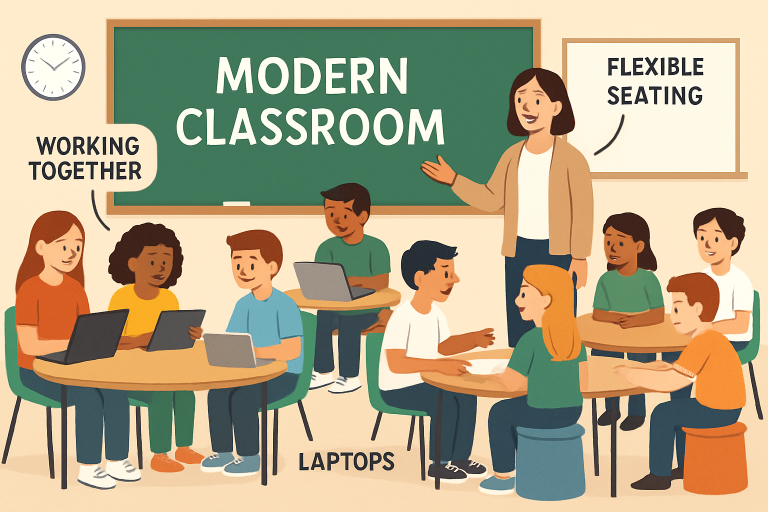
Adaptable classroom layouts accommodate diverse activities from individual reflection to group collaboration. Moveable furniture, varied seating options, and technology-enabled zones create spaces tailored to a range of learning preferences and teaching methods. Such flexibility not only supports differentiated instruction but also encourages inclusivity and creativity. This design principle aligns with the philosophy that space should empower both students and teachers to engage meaningfully with content and each other.
Addressing Special Learning Needs
Effective curriculum design ensures equitable access to education for all students, including those with special learning needs. Universal Design for Learning (UDL) frameworks, structured literacy programs, and targeted interventions for conditions like dyslexia enable every learner to thrive. Professional development and collaboration with specialists are essential in equipping teachers with strategies for differentiation and individualized support. By embedding these practices, schools uphold their commitment to inclusivity and educational equity.
Conclusion
Adapting modern curriculum design is a holistic, ongoing effort that places students’ needs, interests, and potential at the center of educational practice. By integrating technology, embracing interdisciplinary projects, prioritizing competency, supporting agency, designing flexible environments, and addressing special learning needs, educators craft learning experiences that are dynamic, equitable, and impactful. The future of education depends on our willingness to innovate, collaborate, and ensure that every student is prepared to thrive in an ever-evolving world.
 Anderson