

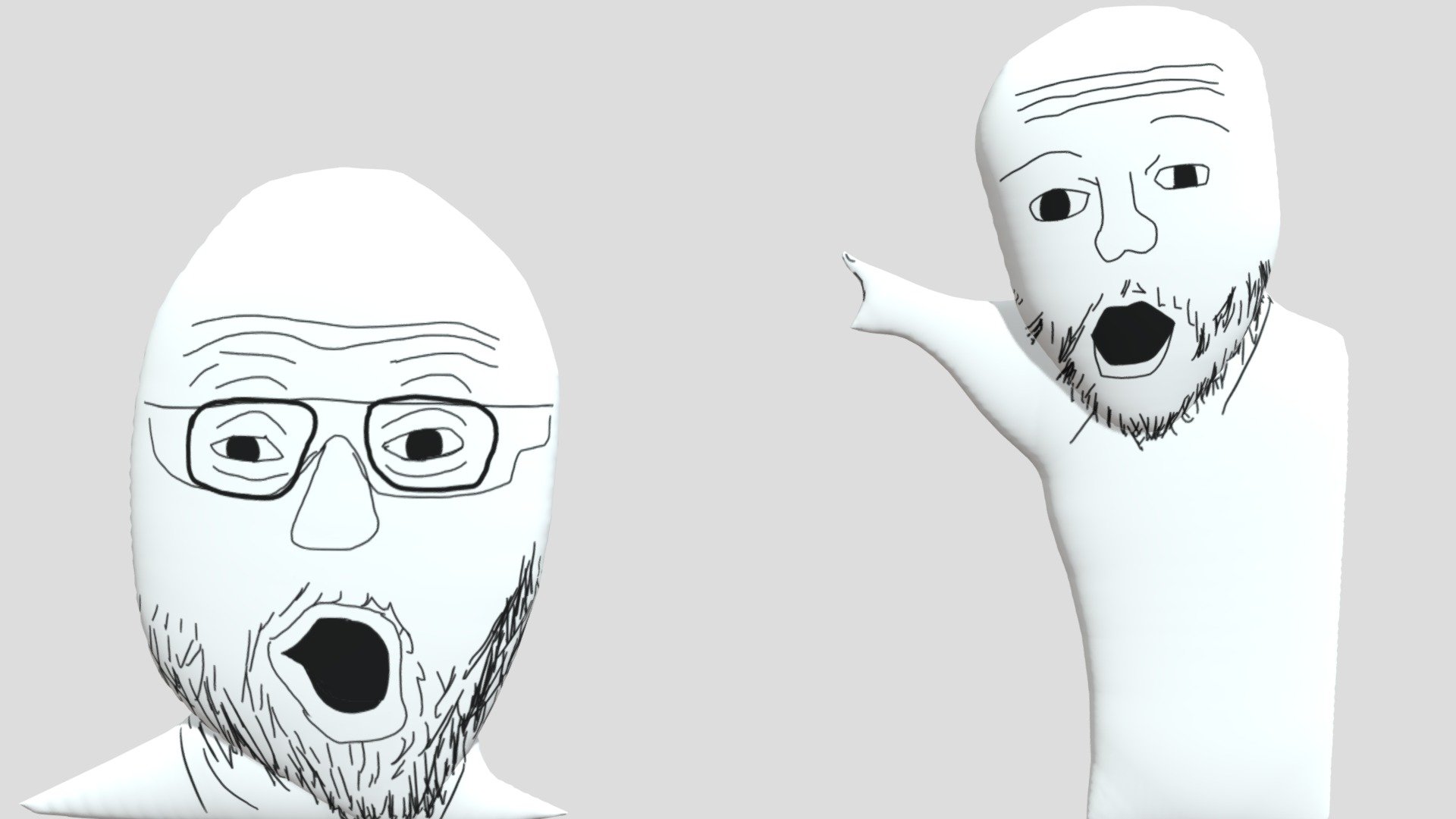
Wojak is a name that has become synonymous with melancholy, loneliness, and existential dread within internet culture. Originating from an early meme, Wo jak, also known as “Feels Guy,” has evolved into a symbol of the modern human condition, reflecting feelings of isolation, hopelessness, and the disillusionment of modern life. The meme’s enduring popularity speaks to its universality and the way it taps into the emotions and experiences of the digital age. In this article, we will explore the origins of Wojak, his evolution, and why he continues to resonate with people worldwide.
The Origins of Wojak
Wojak’s earliest known appearance dates back to 2010, when he was first posted on the imageboard 4chan. The character itself is a simple drawing of a man with a sad, almost blank expression, typically depicted with a scruffy, hand-drawn style that conveys a sense of tiredness and weariness. Wo jak was initially associated with the phrase “feels good man,” a popular meme at the time. This meme, which was originally associated with the character Pepe the Frog, expressed a sense of happiness or contentment, but it was Wojak who later came to represent the opposite — a representation of “feels bad man.”
In these early appearances, Wojak was used as a way to articulate feelings of frustration, regret, or disappointment. The simplicity of the character made it highly adaptable, and it quickly became a meme used to illustrate personal woes and emotional struggles in an exaggerated, humorous way. Wo jak, with his blank stare and downcast demeanor, became the embodiment of those hard-to-articulate feelings that many people experience but struggle to express.
The Evolution of Wojak: From Meme to Cultural Symbol
As Wojak’s popularity grew, so did his evolution. Over the years, the character has taken on various forms, each representing different emotional states or aspects of the human experience. One of the most significant changes was the creation of various iterations of Wo jak that speak to different struggles or states of being. Among the most recognizable are:
1. “Doomer” Wojak
The Doomer Wojak is perhaps the most iconic evolution of the character. Depicted as a disillusioned young man with dark circles under his eyes, often smoking a cigarette, this version of Wo jak embodies feelings of hopelessness, apathy, and the crushing weight of modern society. The Doomer meme gained traction in the mid-2010s, reflecting the growing frustration and anxiety faced by millennials and Gen Z. With the backdrop of economic stagnation, political instability, and social media-induced isolation, the Doomer Wo jak became the personification of existential despair.
Doomer Wojak’s cultural significance can be traced to the increasing sense of disconnection and pessimism that defines much of online discourse. Whether it’s economic hardship, global crises like climate change, or the overwhelming impact of digital culture, the Doomer version of Wo jak resonates with those who feel trapped in an uncertain world. It is a symbol of both personal alienation and societal malaise.
2. “Zoomer” Wojak
On the opposite end of the spectrum is the “Zoomer” Wojak, a more hopeful, yet still slightly cynical, version of the character. Depicted as a young person navigating the complexities of modern life, the Zoomer Wojak reflects the attitudes and behaviors of Generation Z. While the Doomer Wojak is entrenched in negativity, the Zoomer Wo jak represents a generation that has learned to cope with adversity by embracing internet culture, humor, and an ironic distance from societal norms.
Unlike the Doomer Wojak, who is often overwhelmed by the weight of the world, the Zoomer Wo jak is more likely to react with humor or nihilism, using memes and online subcultures as a way to manage anxiety. The Zoomer iteration of Wo jak represents a coping mechanism that mixes dark humor with an awareness of how difficult life can be.
3. “Chad” Wojak
The “Chad” Wojak is another popular version of the meme, typically used to contrast with the Doomer or Zoomer Wojak. Represented as a confident, physically imposing man with a positive attitude, the Chad Wojak embodies the societal ideal of masculinity. Chad Wo jak is often used in contrast to the more vulnerable or defeated Wo jak, with the meme playing off of internet culture’s obsession with social hierarchies, physical appearance, and success.
The juxtaposition of Wojak and Chad highlights the internal struggle many people face in an era where self-worth is often tied to external validation, particularly in the form of social media likes and followers. While Chad is the figure of success, Wo jak represents those who feel left behind or unable to live up to the idealized standards set by society.
Wojak and the Mental Health Discourse
One of the reasons why Wojak resonates so deeply with online communities is that the character has become a powerful vehicle for expressing mental health struggles. His sad, empty expression serves as a metaphor for depression, anxiety, and the emotional toll of modern life. As Wo jak evolved through different iterations like Doomer and Zoomer, the character became an entry point for conversations about mental health, particularly among younger generations.
In a world where mental health discussions are often stigmatized, Wo jak offers a way for people to confront their emotions in a manner that feels safe and anonymous. The memes associated with Wo jak can serve as an emotional release, allowing individuals to express their frustrations, loneliness, or confusion without fear of judgment. The sheer popularity of the character has helped normalize the conversation around mental health, particularly in internet spaces where vulnerability is often met with ridicule or dismissal.
Wojak in the Age of Internet Culture
The enduring popularity of Wojak highlights how internet culture has transformed the way we communicate emotions. Through the simplicity of a drawn character, Wojak captures the complexities of modern life and provides a canvas for individuals to project their innermost thoughts and feelings. The meme itself is often less about humor and more about catharsis, offering an outlet for individuals to process their experiences and find solidarity in shared struggles.
Wojak also illustrates the way in which online communities form around common emotional experiences. Whether on 4chan, Reddit, or Twitter, Wojak has become a symbol of shared discontent, a form of digital kinship in a world that often feels fragmented and disconnected. In this way, Wo jak has transcended his meme origins, becoming a cultural touchstone that embodies the isolation, anxiety, and yearning for meaning that define much of the digital experience.
The Future of Wojak
As internet culture continues to evolve, so too will Wo jak. New iterations of the character will emerge, representing the changing social, economic, and political landscapes. Wojak’s continued relevance speaks to his adaptability — his ability to reflect the shifting moods and anxieties of society while remaining rooted in the shared experience of human vulnerability.
In the future, Wojak may evolve further as a symbol of resilience, growth, or even healing. While he is often associated with despair and resignation, his enduring presence online suggests that people are searching for ways to express and cope with their emotions, even if they are messy, complicated, or difficult to understand. Wojak, in all his sad glory, represents the messy, imperfect nature of life — a reminder that, in the end, we are all just trying to navigate a world that doesn’t always make sense.
Conclusion
Wo jak is more than just a meme — he is a reflection of the modern human experience in the digital age. His evolution from a simple sad face to a multifaceted symbol of emotional struggle speaks to the complex nature of contemporary life. Whether as a Doomer, Zoomer, or Chad, Wo jak embodies the feelings of isolation, frustration, and the search for meaning that define so much of our online existence. Through his simplicity, Wojak offers a mirror to the modern world, and in doing so, he continues to be a source of solace, humor, and recognition for millions of people around the world.