

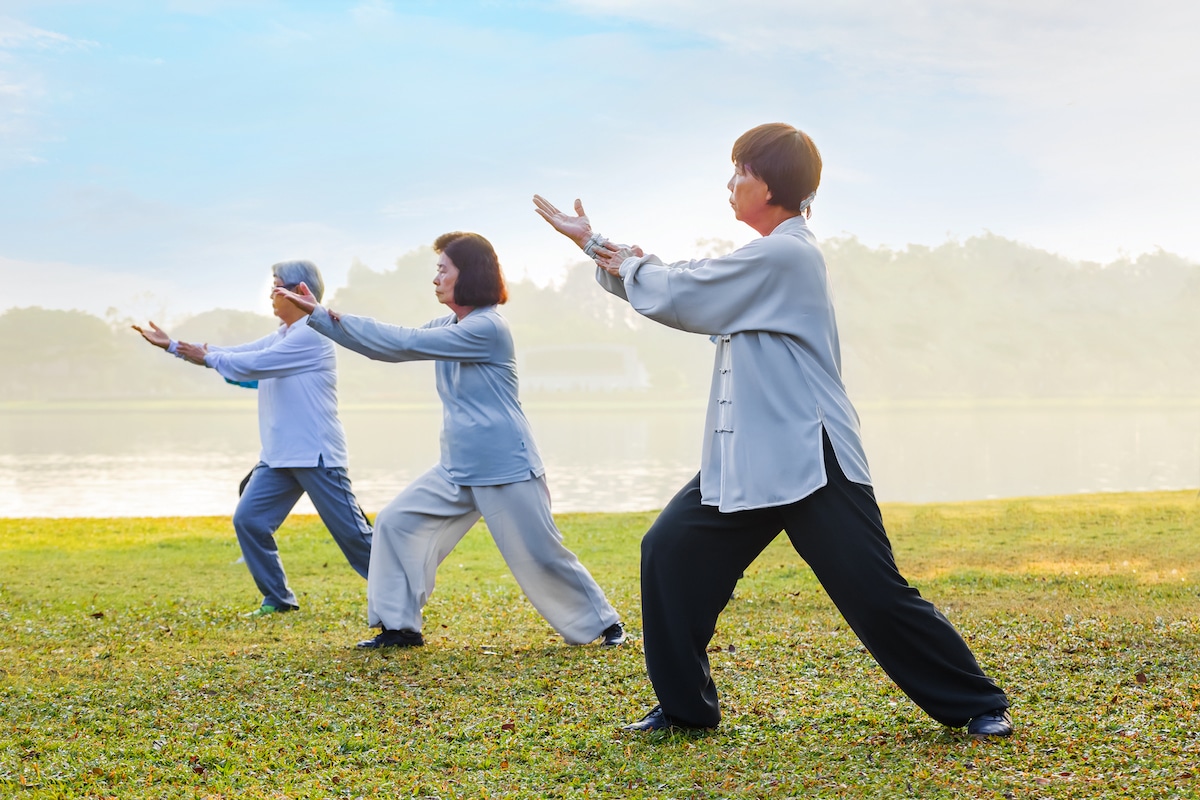
Key Takeaways:
- Tai chi is a low-impact exercise suitable for all ages and fitness levels.
- Regular practice can improve balance, flexibility, and mental well-being.
- Incorporating tai chi into daily routines can enhance overall health and reduce stress.
Discovering the gentle art of tai chi may be one of the most accessible ways to improve health and peace of mind. This ancient practice combines flowing movements and mindful breathing, offering a unique blend of physical exercise and mental relaxation for people of all ages. For those eager to begin immediately, a wide selection of tai chi videos are available online, guiding beginners and experienced practitioners alike through their journey.
Tai chi is often described as “meditation in motion.” Its slow, deliberate movements and emphasis on inner calm are suitable even for individuals with limited mobility or health conditions. Requiring no equipment and minimal space, tai chi can be practiced nearly anywhere, making it easy to integrate into everyday routines.
Introduction to Tai Chi
Tai chi has its roots in ancient Chinese martial arts, but over centuries it has developed into a widely practiced form of gentle, mindful movement. It encourages a harmonious balance between body and mind and emphasizes mindful breathing, steady movements, and relaxed concentration. This holistic approach allows tai chi to benefit individuals at any age or fitness level, providing an accessible form of physical and mental exercise suitable for diverse lifestyles.
In addition to its broad accessibility, tai chi’s appeal lies in its ability to cultivate a meditative state during movement. Unlike more vigorous activities, tai chi’s smooth, calming flow can lower stress and improve well-being, qualities that are especially valuable in today’s fast-paced world.
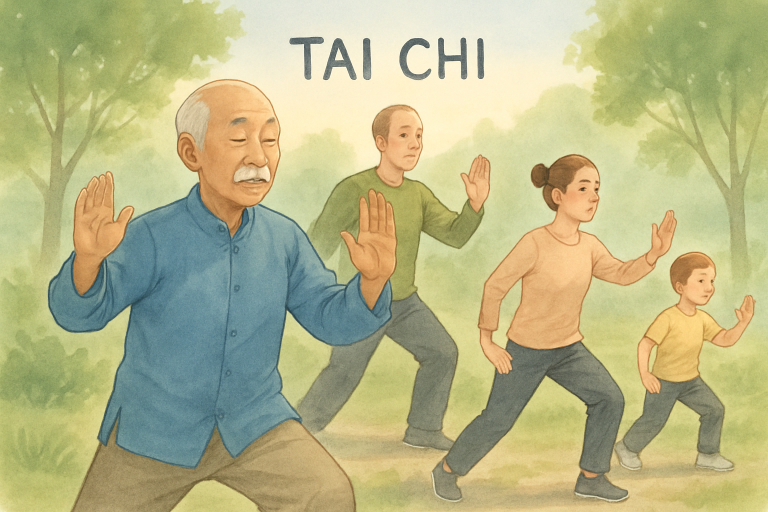
Physical Benefits of Tai Chi
- Improved Balance and Coordination: Tai chi’s slow, controlled shifts of weight strengthen stabilizer muscles and enhance balance. Research published by the National Institutes of Health indicates that regular tai chi practice can significantly reduce the risk of falls and improve balance, both of which become more vital with age.
- Increased Flexibility and Strength: The broad, circular movements encourage the gentle stretching and strengthening of muscles, supporting overall mobility and resilience in joints and connective tissues.
- Enhanced Cardiovascular Health: As a form of moderate-intensity exercise, tai chi can lower blood pressure and improve cardiovascular function when practiced regularly. The non-strenuous nature of the movements makes it a safe way to maintain heart health.
Mental and Emotional Benefits
- Stress Reduction: The meditative aspect of tai chi is particularly effective for reducing stress, anxiety, and depressive symptoms. Time spent in focused, rhythmic movement helps quiet mental chatter, creating a sense of inner calm.
- Better Sleep Quality: Practicing tai chi may improve sleep quality and duration. Clinical studies have found it to be as effective as standard treatment methods for insomnia, helping individuals fall asleep more easily and wake feeling refreshed.
- Improved Cognitive Function: Regular practice has been shown to sharpen concentration, boost memory, and improve executive functioning, especially in older adults. This makes tai chi a supportive activity for lifelong brain health.
Tai Chi for Seniors
The gentle movements and focus on balance make tai chi particularly beneficial for seniors. It supports healthy aging, increasing independence and quality of life while reducing the risk of falls or balance-related injuries. Harvard Medical School highlights tai chi as an ideal exercise for older adults because it is easy on the joints, can be performed in social settings, and leads to tangible improvements in both physical and mental wellness.
Incorporating Tai Chi into Daily Life
Fitting tai chi into daily routines can be straightforward and deeply rewarding. Many practitioners find that even brief sessions help counteract daily stress and enhance energy. Consider starting your day with a short tai chi routine to gently awaken your body and set a peaceful tone for the hours ahead. During work breaks, stepping away to flow through a few movements can reset your focus and prevent stiffness or fatigue. In the evening, tai chi can act as a relaxing wind-down to prepare for restful sleep.
Engaging in regular classes or tutorials, either in person or online, can reinforce consistency and deepen your understanding of the practice over time. The act of integrating tai chi into daily habits transforms it from a simple form of exercise into a sustaining way of life.
Getting Started with Tai Chi
- Find a Qualified Instructor: Seek out community classes, online courses, or instructional videos from experienced practitioners to ensure a safe foundation in tai chi basics. Group practice offers the added benefit of social connection.
- Start Slowly: Begin with simple forms and a few easy movements. Progress gradually, paying special attention to posture, breath, and relaxation.
- Practice Consistently: Regular, short sessions rather than infrequent, longer ones provide the greatest benefit, spreading the positive effects of tai chi evenly throughout your week.
Final Thoughts
Tai chi presents a gentle, attainable path toward better health and increased well-being. Its benefits, spanning balance, flexibility, stress reduction, and cognitive improvement, are available to anyone willing to explore this mindful art. Whether young or old, new to exercise or an experienced mover, tai chi opens a door to a calmer, healthier life and a greater feeling of connection to one’s body and mind.
 Harry
Harry