

Key Takeaways
- Sustainable roofing reduces both environmental impact and long-term operational costs for commercial buildings.
- A range of green materials and advanced technologies now serve diverse business needs and regional climates.
- Eco-friendly roofs can enhance property value, cut energy expenses, and support environmental certifications.
Table of Contents
- Introduction
- Cool Roofs and Reflective Membranes
- Green Roofs
- Solar-Integrated Roofing Systems
- Recycled and Eco-Friendly Materials
- Advanced Roofing Coatings
- Modular and Prefabricated Roof Panels
- Conclusion
As sustainability takes center stage in commercial construction, the role of eco-conscious roofing has never been more vital. Companies today seek solutions that enhance building efficiency, safeguard the environment, and provide measurable returns over time. Business owners in regions with dynamic weather, like Kansas City, are increasingly drawn to innovative roofing technologies that offer maximum durability and long-term benefits. For those researching options tailored to their local climate, https://jrcousa.com/kansas-city/commercial-roofing/ provides an overview of effective commercial roofing strategies and services available in the area.
Choosing sustainable roofing is not only about going green. It is also about achieving lower energy bills, reducing maintenance needs, and improving building value. Eco-friendly roofs often deliver greater thermal performance and minimize urban heat, which is crucial for densely populated business districts. As environmental standards continue to shape construction codes and investment priorities, it is essential for building managers to understand the diverse landscape of green roofing options and the benefits each provides.
Modern sustainable roofing offers more than environmental advantages; it aligns with emerging trends in property management and responds to the growing demand for healthier, more resilient structures. Building professionals recognize that a sustainable roof is an investment in operational savings and in achieving certifications such as LEED, which can further boost a property’s market profile.
As commercial properties face more challenging energy requirements and environmental responsibilities, adopting advanced roofing solutions is an essential step to meeting these goals and ensuring business continuity for years to come. For deeper industry guidance and information on recent technological advancements, a visit to Architectural Digest’s guide to green roof renovation ideas is highly recommended.
Introduction
Sustainable commercial roofing integrates energy efficiency, durability, and environmental responsibility into a unified system. The approach goes beyond traditional roofing by considering the full lifecycle of materials, reducing operational energy use, and promoting healthy, resilient buildings. As both private businesses and public institutions prioritize green initiatives, sustainable roofing is becoming a practical way to support broader sustainability goals while meeting critical building code requirements.
Cool Roofs and Reflective Membranes
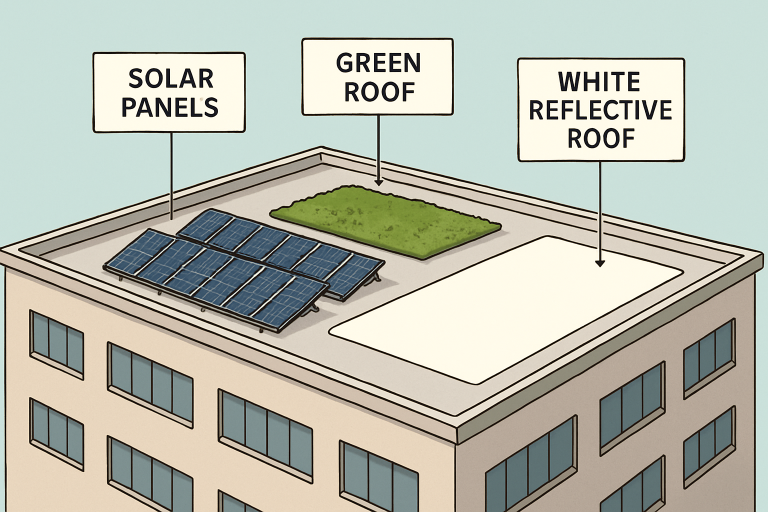
Cool roofing technologies dramatically reduce the heat a building absorbs from sunlight. White or reflective membranes engineered from thermoplastic polyolefin (TPO), ethylene propylene diene monomer (EPDM), and similar materials can lower indoor temperatures, thereby reducing air conditioning costs. According to the U.S. Department of Energy, cool roofs may lower a building’s energy consumption by up to 15 percent during peak summer months. This immediate return, combined with the ease of installation over existing systems, makes cool roofs a popular choice for energy-conscious businesses.
Green Roofs
Vegetative or green roofs involve planting layers of grasses, succulents, or other species over a waterproof barrier atop building structures. Not only do these systems offer superior insulation, but they also contribute to effective stormwater management and urban biodiversity. In high-density cities, green roofs turn previously unused roof space into a meaningful environmental asset, providing pockets of vegetation that can reduce urban heat-island effects and even boost employee morale through garden amenities. For a detailed look at how green roofs function in urban design, the New York Times covers their impact in cities.
Solar-Integrated Roofing Systems
Modern commercial buildings are increasingly built with solar energy in mind. Solar panels or photovoltaic shingles installed directly into roofing systems allow business owners to generate renewable energy while protecting their structures from the elements. The practicality of lightweight, durable solar tiles has opened this technology to properties with diverse roof slopes and layouts. With incentives available from federal and local programs, the financial benefits now often outweigh the initial installation cost, making solar-integrated roofing a compelling option for businesses looking to manage energy expenses over the long term.
Recycled and Eco-Friendly Materials
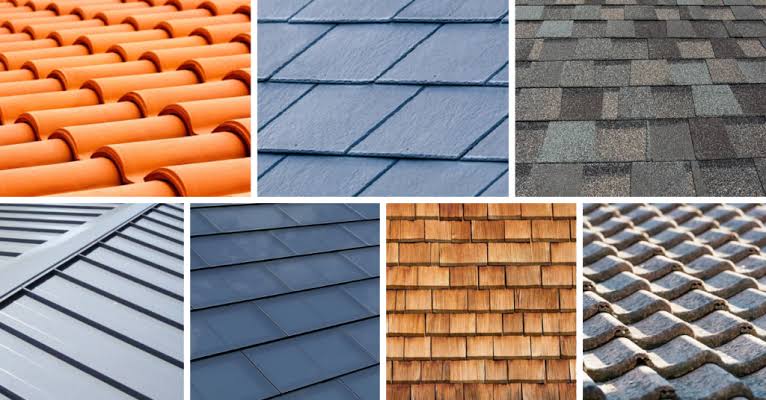
Sustainable roofing materials now routinely incorporate recycled content from post-consumer or post-industrial sources. Metal roofing, made with a high percentage of recycled steel or aluminum, lasts for decades and can be recycled at the end of its life cycle. Rubber and plastic shingles, made from recycled materials, offer a modern, durable alternative to traditional asphalt products. These choices are gaining popularity because they minimize construction waste and help businesses support circular-economy practices, which are becoming increasingly important to environmentally focused clients and stakeholders.
Advanced Roofing Coatings
Specialized coatings applied to existing flat or low-slope roofs can extend roof longevity and increase energy performance. Silicone and acrylic roof coatings enhance UV resistance, reduce surface temperatures, and create an effective waterproof barrier. These products are often chosen for renovation projects when complete roof replacement is not yet necessary. With minimal application disruption and a rapid return to service, advanced coatings also align with sustainability standards by preventing premature material disposal and lowering maintenance requirements.
Modular and Prefabricated Roof Panels
Prefabricated roofing panels engineered off-site deliver high quality and precision while minimizing construction waste and on-site time. Common in large warehouses, retail centers, and office parks, modular systems optimize labor costs and streamline delivery schedules. Their consistent manufacturing results in superior performance and resilience, addressing both environmental and business priorities for new commercial construction or major renovation projects.
Conclusion
Sustainable roofing solutions empower commercial building owners to reduce environmental footprints while supporting business objectives. With choices ranging from highly reflective cool roofs to resilient modular systems and solar energy integration, each approach brings distinct advantages to modern commercial properties. Transitioning to sustainable roofing is not simply a trend but a smart investment in building performance, market value, and environmental stewardship for the future.