

Key Takeaways
- Assessing your yard’s dimensions and how you plan to use your patio is crucial before starting any design.
- The layout, materials, and functional features should align with both your lifestyle and the landscape surrounding your home.
- Adding thoughtful landscaping and strategic furniture placement enhances comfort and usability.
- Planning for drainage, maintenance, and future expansion ensures your patio remains a valuable asset.
Table of Contents
- Understanding Your Space and Needs
- Exploring Patio Shapes and Layouts
- Selecting the Right Materials
- Incorporating Functional Features
- Considering Furniture and Layout
- Planning for Drainage and Maintenance
- Integrating Landscaping Elements
- Budgeting and Future Expansion
- Final Thoughts
Understanding Your Space and Needs
Every great patio begins with a solid understanding of your available outdoor space and a clear vision for its intended use. Begin by measuring your yard, noting its shape, slope, and sun exposure. Ask yourself whether the patio will mainly serve as a private retreat, a dining hub, or the ultimate entertainment space for friends and family. Your answers will drive other decisions, from size and shape to the inclusion of features like outdoor kitchens or fire pits. Homeowners in North Texas often benefit from protective structures to maximize usability throughout the year, making additions like arbors and covers Frisco, TX a smart consideration from the start.
It’s also wise to factor in the surrounding landscape and how your patio will blend into the existing environment. Consider how movement around your home and garden will interact with the patio and what pathways, entrances, or transitions might enhance functionality. Strategic planning in the early stages helps create an outdoor living area that feels both integrated and expansive, no matter the size of your yard.
Exploring Patio Shapes and Layouts
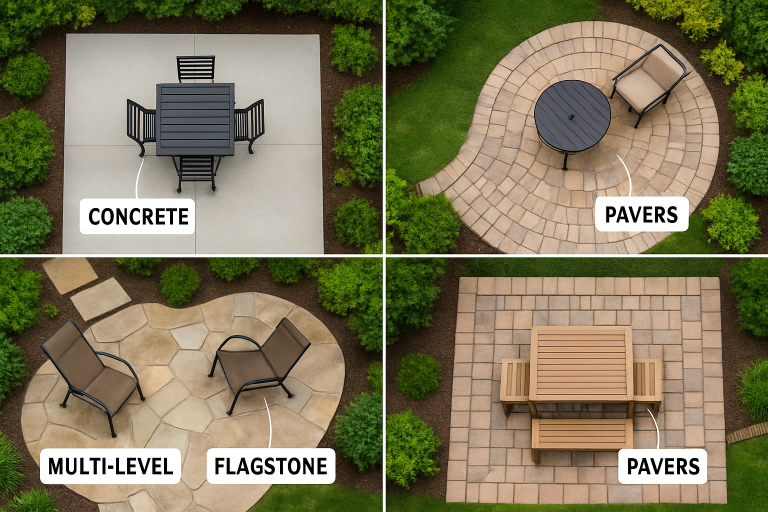
The shape of your patio has a significant impact on its appearance and how you’ll use the space on a day-to-day basis. Square and rectangular patios remain popular for their straightforward lines and flexibility—they’re a natural fit for dining sets or sectional seating, especially in urban or smaller lots. For those with ample backyard space or a desire for an organic feel, curved patios create a softer, more welcoming ambiance that mimics natural landscapes. Multi-level designs are excellent for sloped yards and allow for designated zones, such as separating a grilling area from a lounging spot. The right shape ultimately depends on how you envision entertaining, relaxing, or dining outdoors.
Integrating visual or physical connections between your house and the patio improves flow and function. For example, extending interior flooring outdoors creates a seamless transition, while wide steps or gently curving walkways invite guests to move between zones.
Selecting the Right Materials
Materials determine not only your patio’s appearance but also its comfort and ease of maintenance. Versatile and cost-effective, concrete offers a range of textures and color options. Pavers—whether concrete, brick, or stone—are favored for their design versatility and ease of repair. Flagstone brings rustic charm and ties patios into natural landscapes beautifully. Your local climate, maintenance preferences, and budget should guide your selection.
Mixing materials, such as adding a gravel border or installing wood decks adjacent to hard surfaces, offers additional texture and botanical interest. Choose slip-resistant or weather-resistant finishes, especially if children or seniors will use the space regularly.
Incorporating Functional Features
Enhance your patio’s usability and enjoyment by introducing thoughtful amenities. Outdoor kitchens make al fresco dining simple, while built-in fire pits, fireplaces, or portable heaters extend usability into cooler months. Shade structures—such as pergolas, awnings, or permanent roofs—shield guests from summer sun and offer architectural flair. Storage benches, water features, and outdoor lighting complement the list of features that can transform a simple patio into a year-round living space.
When planning, anticipate both current needs and future possibilities. For instance, leaving space for a spa or a gaming area may pay off as family needs evolve.
Considering Furniture and Layout
Carefully arranged furniture can transform your patio into a comfortable, functional retreat. Opt for layouts that encourage flow and conversation, grouping seating around focal points like a fire feature or a dining table. Use odd numbers of seats or tables for a dynamic look, and mock up arrangements with tape or chalk before committing to new purchases. Consider the height and style of your selections to ensure they suit both casual get-togethers and special occasions.
Planning for Drainage and Maintenance
Poor drainage is a common patio pitfall, often resulting in water pooling or damage to the foundation. Design your patio with a gentle slope away from your home, and consider permeable materials that facilitate water absorption. Maintenance considerations should also weigh heavily in your material choice; for example, natural stone looks beautiful but requires periodic sealing, while composite decking is relatively care-free. Planning limits headaches and ensures your patio remains safe and beautiful for years to come.
Integrating Landscaping Elements
A patio that blends into its surroundings feels intentional and inviting. Incorporate built-in planters, garden beds, or preserved trees to soften hard edges and introduce color and texture. Green spaces can create privacy, provide shade, and attract pollinators, enriching your backyard ecosystem. Connecting your hardscape to the broader garden can also enhance property value and curb appeal.
Budgeting and Future Expansion
Set a realistic budget that includes not only materials and labor, but also the costs of permits, additional features, and professional design services if needed. Opting for a phased approach—constructing the core patio now and leaving room for future add-ons—lets you enhance your space as time and resources allow. It’s also wise to consider the potential impact of future features, such as an outdoor kitchen or hot tub, on landscaping or utility lines.
With thoughtful preparation and practical design choices, your patio can become the centerpiece of your outdoor living experience, offering comfort, style, and lasting value for years to come.
Final Thoughts
A well-designed patio is more than just an outdoor space—it’s an extension of your home and lifestyle. By carefully assessing your space, selecting the right materials, and incorporating functional features, you can create a backyard retreat that strikes a balance between beauty, comfort, and usability. Thoughtful furniture placement, proper drainage, and integration with surrounding landscaping further enhance both practicality and aesthetics.
Planning for the future—whether through phased expansions or flexible design choices—ensures your patio remains a valuable asset for years to come. With attention to detail, maintenance, and creativity, your patio can become the perfect setting for relaxation, entertaining, and making lasting memories with family and friends.