

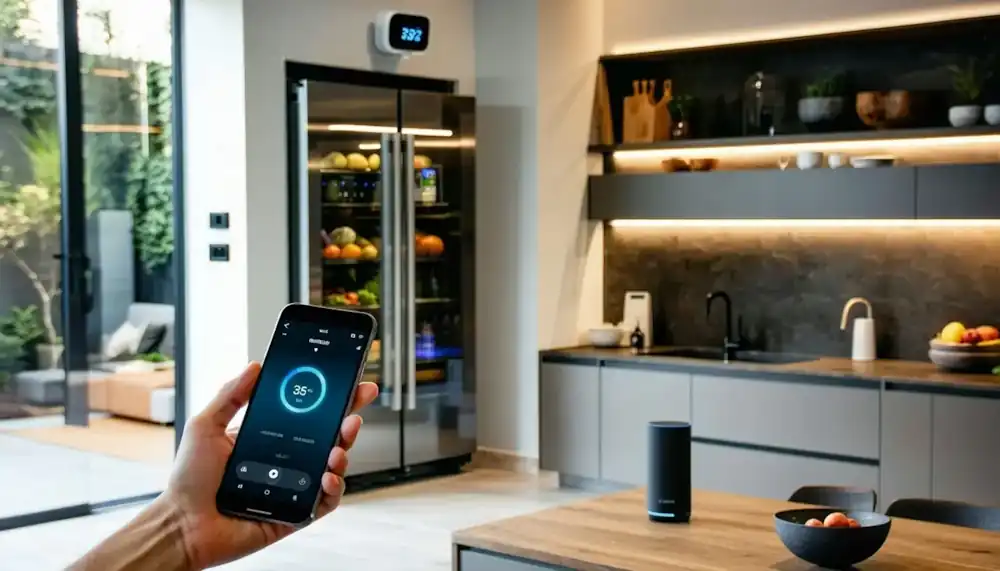
Key Takeaways
- Smart home devices make home security monitoring and automation simple and accessible from anywhere.
- Improperly configured smart devices increase the risk of cyber vulnerabilities.
- Adhering to security best practices is vital for protecting smart homes from evolving threats.
In today’s rapidly evolving digital world, smart home devices are playing a pivotal role in redefining our approach to security. Through technology such as intelligent locks, networked cameras, and integrated sensors, homeowners now have more control than ever before over their safety. These devices enable users to automate responses, monitor their property remotely, and receive real-time notifications. For residents in every corner of the country, staying safe is a priority, whether they are looking at new tech gadgets or even choosing team decorations like college flags Birmingham, AL. As smart home adoption rates grow, so too do the opportunities and challenges faced by modern households.
Embracing smart home technology opens a new era of security, but it also raises questions about privacy and vulnerability. Cutting-edge features like facial recognition or automated alerts put powerful tools into the hands of the average homeowner. On the other hand, with each newly connected device, a unique set of risks emerges. Many users find themselves navigating both the impressive advantages and the underlying responsibilities that this technology demands.
The Rise of Smart Home Security Devices
The popularity of smart home devices has surged as consumers seek more convenience and peace of mind. Items like smart locks, video doorbells, motion sensors, and surveillance cameras are becoming common in households. Beyond just traditional alarm systems, the modern smart home ecosystem encompasses a network of interconnected devices. As highlighted by CNET’s home security guide, this array of technologies offers layered protection, deterring intruders and providing homeowners with useful insights and control. These systems can create seamless experiences, like automatically turning on lights when motion is detected after sunset, making empty houses appear occupied.
Benefits of Integrating Smart Devices
Integrating smart devices into your home’s security setup yields substantial benefits for homeowners:
- Remote Monitoring: Homeowners can check live video feeds and status updates from their smartphones, whether they are at work, on vacation, or simply out running errands.
- Automation: Devices can be programmed to trigger specific actions automatically. For instance, door locks can engage after the last person leaves, or lights can activate in response to suspicious movement near entryways.
- Customization: With customizable alerts and schedules, families can tailor their security settings to align with their routines and preferences, ensuring that technology works for their particular household needs.
Potential Vulnerabilities and Risks
While the benefits of home automation are evident, there are important security risks to acknowledge. Research has shown that many smart devices ship with outdated encryption protocols and subpar security settings by default. According to a study reported by The New York Times Wirecutter, some smart locks and cameras can inadvertently expose personal information or provide new avenues for cybercriminals to access home networks. Moreover, the rise in connected devices directly translates to a larger attack surface, increasing the number of potential entry points for cyberattacks.
Best Practices for Securing Smart Home Devices
Protecting your smart home from threats involves a careful combination of vigilance and proactive action. By following established security measures, you can minimize your risk of exposure. Consider these essential steps:
- Change Default Credentials: When setting up a new device, always create strong, unique passwords and avoid reusing login information across accounts.
- Regular Firmware Updates: Check for updates regularly to ensure your devices benefit from the latest security patches and features.
- Network Segmentation: Set up dedicated Wi-Fi networks for your smart devices, separate from those used by personal computers and mobile devices, to contain any potential intrusions.
- Enable Two-Factor Authentication: Adding a second verification step further protects your accounts, even if your password is compromised.
The Role of Industry Standards
Industry regulations and labels have become increasingly important for building trust between consumers and manufacturers of smart devices. A notable initiative is the U.S. Cyber Trust Mark Initiative, which provides clear visual labels for products that meet approved federal cybersecurity standards. Devices marked under this initiative display a shield logo and QR codes, giving buyers access to detailed certification and privacy information. This labeling system empowers consumers to evaluate devices based on their security credentials, helping them make more informed purchasing decisions.
Future Trends in Smart Home Security
The landscape of smart home security continues to evolve quickly. Artificial intelligence and machine learning are beginning to transform the way security systems recognize patterns and respond to emerging threats. With AI technologies, systems can learn residents’ normal routines and alert them to genuinely suspicious activity rather than every minor incident, reducing false positives. Additionally, as quantum computing advances, experts anticipate the development and adoption of quantum-resistant encryption methods, further protecting homes from future cybersecurity threats.
Final Thoughts
Smart home devices are at the forefront of a new wave of security, blending convenience, control, and valuable peace of mind. While these advancements offer significant benefits, homeowners should remain proactive about cybersecurity by regularly updating software, using strong passwords, and buying products that adhere to industry best practices. For those willing to stay vigilant, the benefits of modern smart home technology far outweigh the potential risks, creating a safer and more secure living environment for years to come.
 Anderson