

Table of Contents
- Introduction
- The Mind-Body Connection
- Nutrition and Hormonal Balance
- Physical Activity and Holistic Fitness
- Natural Remedies and Alternative Therapies
- Mental Health and Emotional Well-being
- Technological Advancements in Women’s Health
- Conclusion
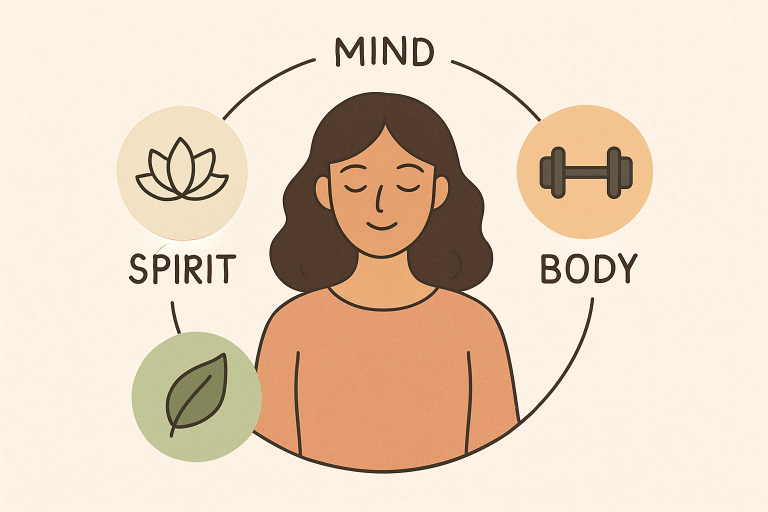
Women’s health is increasingly viewed through a holistic lens, prioritizing the integration of the mind, body, and spirit for complete well-being. Moving beyond symptom-driven care, this approach considers preventive practices and natural solutions that address the unique physiological and psychological needs women face throughout their lives. Today, more women are exploring the benefits of complementary modalities to achieve optimal health—from nutrition and movement to mindfulness and alternative therapies such as fertility acupuncture NY. These diverse strategies create a foundation for sustainable health, enhancing a woman’s capacity to thrive at every stage of life.
Addressing women’s wellness holistically means recognizing the deep connections among emotional, physical, and hormonal well-being. Rather than focusing solely on isolated health concerns, this perspective empowers women to harness daily habits and technology for proactive self-care. As a result, many are discovering improved resilience, balanced hormones, and enhanced mental clarity through integrative wellness choices.
The Mind-Body Connection
The interdependence between mind and body is a cornerstone of holistic health. Chronic stress, for example, can trigger physiological changes in women, ranging from disrupted menstrual cycles to fertility challenges due to hormonal imbalances. To foster well-being, stress reduction is essential. Mindfulness practices such as meditation, yoga, and breathwork not only promote relaxation but also encourage neurochemical balance, benefiting both emotional equilibrium and reproductive health. Research from the National Institutes of Health has shown that mindfulness-based interventions can significantly reduce stress hormones, supporting natural hormone regulation.
Nutrition and Hormonal Balance
Nutrition profoundly influences hormonal health and overall vitality. A balanced diet rich in phytonutrients, minerals, and healthy fats provides the essential building blocks for hormone synthesis. Foods like avocado, wild-caught salmon, flaxseeds, and nuts are especially beneficial, promoting hormonal harmony. Cruciferous vegetables, including broccoli, Brussels sprouts, and kale, play a unique role by supporting the body’s metabolism of excess estrogen, which can otherwise contribute to issues like PMS and irregular cycles. Adopting mindful eating patterns and prioritizing whole, minimally processed foods empowers women to maintain steady energy, immune health, and hormonal balance.
Physical Activity and Holistic Fitness
Physical activity is vital to a holistic wellness strategy, delivering benefits that extend far beyond appearance. Practices such as yoga and Pilates not only boost flexibility and muscle endurance but have also been proven to reduce circulating cortisol, the primary stress hormone, which often contributes to decreased immune function and hormonal imbalances. Incorporating strength training and daily walks into a fitness routine is essential for maintaining cardiovascular health, promoting a healthy metabolism, and supporting bone density—specifically important for women as they age. According to the Centers for Disease Control and Prevention, regular exercise supports both physical and emotional health throughout every stage of life.
Natural Remedies and Alternative Therapies
Embracing natural remedies can provide additional support for women’s unique health needs. Herbal solutions such as ashwagandha and maca root are well-known for helping to regulate the stress response and support adrenal health, making them favorites in holistic health circles. Additionally, alternative practices like acupuncture offer promising outcomes for women’s hormonal regulation, fertility support, and menopausal symptom relief. Findings published by Healthline highlight the positive effects of acupuncture for managing menstrual pain, cycle irregularities, and hormonal imbalances, offering a valuable complement to conventional care.
Mental Health and Emotional Well-being
Mental health is inseparable from physical health, serving as a foundation for overall quality of life. Activities such as journaling, gratitude exercises, and creative arts not only help process emotions but also build emotional resilience. Establishing supportive relationships and engaging in community networks fosters a sense of belonging and buffers against the harmful effects of stress and isolation. Maintaining mental health as a priority can enhance adaptability and foster an optimistic outlook, even in the face of life’s challenges.
Technological Advancements in Women’s Health
Technology continues to shape the future of women’s health, making resources and tools more accessible than ever. Women now benefit from digital health platforms, including period-tracking apps that provide personalized insights into their cycle patterns and symptoms, as well as virtual mental health therapy services that offer flexibility and privacy. By leveraging these advancements, women are empowered to take proactive responsibility for their wellness and gain valuable data to inform their health choices. Technology does not replace holistic strategies but enhances them—turning everyday tracking into transformative self-understanding while supporting collaboration with healthcare practitioners.
Conclusion
A holistic approach to women’s health is rooted in the understanding that all aspects of well-being—physical, mental, spiritual, and technological—are deeply interconnected. As more women adopt preventative care, a nutrient-rich diet, daily movement, natural therapies, and digital health innovations, they cultivate resilience against everyday stresses and lay the groundwork for vibrant, lasting health. True wellness comes from nurturing the whole person, creating a path for every woman to flourish and thrive.
 Harry
Harry