

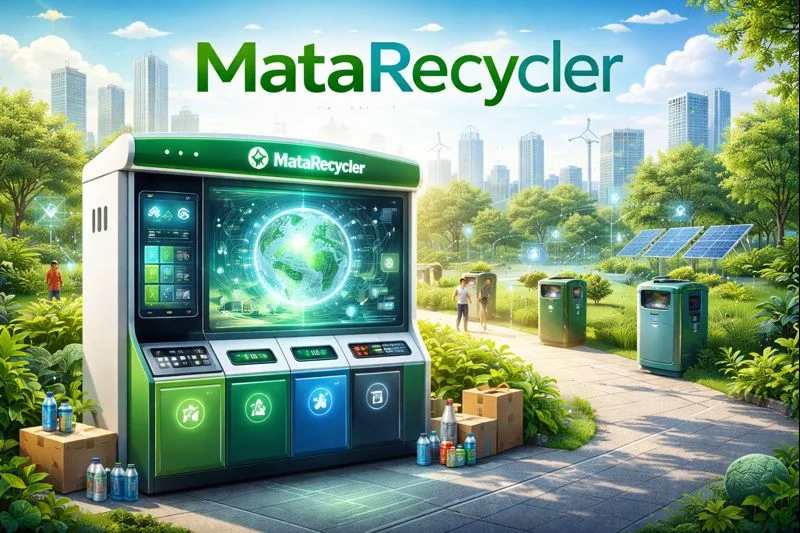
In an era defined by rapid urbanization and escalating environmental concerns, the humble waste bin is undergoing a radical transformation. No longer just a passive container, it is becoming a sophisticated data point on the digital map of a smart city. At the forefront of this revolution is MataRecycler, a groundbreaking platform that is redefining how we collect, sort, and think about waste.
As global populations swell and consumption patterns rise, municipalities and businesses are grappling with an unprecedented waste crisis. Overflowing landfills, inefficient collection routes, and low recycling rates are not just logistical headaches; they are environmental emergencies. MataRecycler steps into this fray not with a bigger truck, but with a smarter idea: leveraging the Internet of Things (IoT), Artificial Intelligence (AI), and data analytics to create a closed-loop system for resource management.
The Anatomy of a Smart Solution
So, what exactly makes MataRecycler a “smart solution”? It moves beyond traditional methods by integrating technology directly into the waste management lifecycle. The system typically comprises several key components:
1. Intelligent Bins and Sensors:
The foundation of the system is the hardware—intelligent recycling bins equipped with ultrasonic sensors, fill-level monitors, and sometimes even compactors. These aren’t just bins; they are data-gathering nodes. They measure exactly how full they are in real-time, detect contamination (like food waste in a paper bin), and can even weigh the contents. This eliminates the guesswork of traditional waste management.
2. The IoT Connectivity Backbone:
Every smart bin is connected via the Internet of Things. This network allows the bins to communicate their status to a central cloud-based platform. When a bin reaches 80% capacity, it sends an alert. When it’s empty, it stays silent. This constant stream of data is the lifeblood of the system.
3. AI-Powered Analytics and Route Optimization:
This is where MataRecycler truly shines. The platform aggregates data from hundreds or thousands of bins to build a dynamic map of waste generation patterns. Instead of sending garbage trucks out on a fixed schedule (e.g., every Tuesday), managers can optimize routes in real-time. Drivers are directed only to bins that are full, saving fuel, reducing vehicle wear and tear, and lowering carbon emissions. The AI can also predict future fill-levels based on historical data, seasons, or local events.
4. User Engagement and Gamification:
MataRecycler understands that technology alone won’t solve the problem; human behavior must change. The platform often includes a user-facing app that educates the public on proper sorting. Through gamification—such as reward points for correct recycling or community leaderboards—it transforms a chore into a community-driven mission.
The Tangible Benefits: From Cost Savings to Cleaner Cities
The implementation of a smart system like MataRecycler yields benefits that are felt across the entire ecosystem.
- For Municipalities: The most immediate impact is operational efficiency. By optimizing collection routes, cities can reduce fuel consumption by 30-50% and cut fleet maintenance costs significantly. It also allows for better resource allocation; labor can be shifted from driving empty routes to managing high-volume hotspots.
- For the Environment: By ensuring bins are collected only when needed, we reduce unnecessary truck journeys and their associated carbon footprint. Furthermore, high-quality data on contamination helps launch targeted public awareness campaigns, leading to purer recycling streams and less waste sent to landfill.
- For Citizens and Businesses: The days of overflowing public bins on a busy weekend are numbered. Smart bins ensure a cleaner, more hygienic urban environment. For businesses, it offers a scalable and often more cost-effective way to manage their waste footprint, contributing to their corporate sustainability goals.
The Future is Circular
MataRecycler represents a paradigm shift. It views waste not as an unwanted endpoint, but as a resource in a circular economy. By providing granular data on what is being thrown away and where, it closes the information gap that has long hindered effective recycling.