
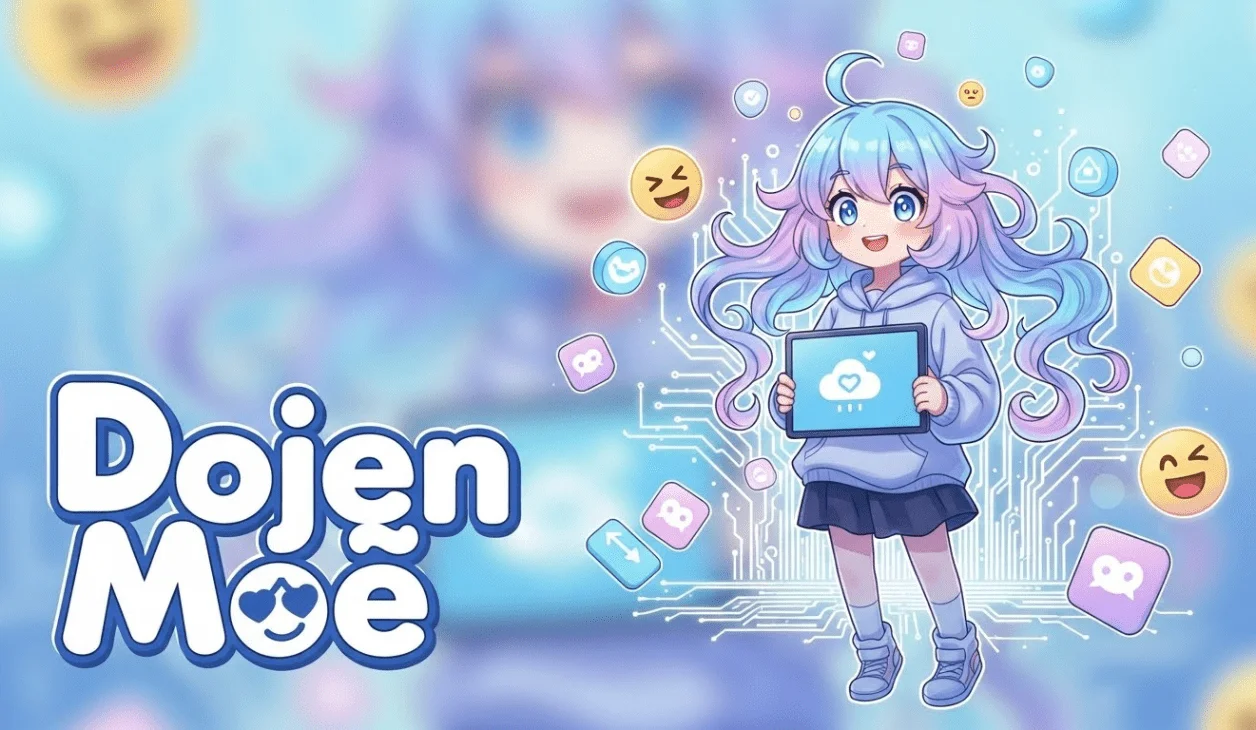
Dojen Moe is a name that, to some, might ring a bell in the context of internet culture, especially within certain online communities. In recent years, a new wave of internet subcultures and trends has emerged, many of which are rooted in niche content, deep dives into specific genres, and sometimes, an overall confusion or curiosity surrounding these obscure terms. One such phenomenon is Dojen Moe, an entity that might not be as universally recognized as mainstream internet sensations, but has steadily made its mark in the evolving world of digital spaces.
What is Dojen Moe?
At first glance, the term “Dojen Moe” might seem like a typical example of a meme or an online phrase with a specific context. However, the reality is more layered than one might expect. Moe, a term commonly associated with Japanese anime culture, refers to a feeling of affection or a strong attachment to a character—usually an anthropomorphized or stylized version of a human, animal, or object. It is a concept that resonates strongly within certain fandoms and is often tied to the aesthetic of cuteness, vulnerability, or youthful innocence.
On the other hand, “Dojen” does not have as clear a definition in mainstream internet culture. It may appear to be a misspelling, a recontextualized term, or perhaps a part of a specific subcultural meme that has gained traction. This blend of “Dojen” and “Moe” creates an interesting space where fans and content creators merge different elements of popular internet trends, and the term becomes a lens for looking at how digital culture continues to evolve.
Origins and Popularity
The rise of Dojen Moe can be traced back to various corners of the internet where creators, particularly within anime, gaming, and meme communities, take pride in crafting their own worlds and references. The exact origins of the term remain unclear, with some arguing that it stems from the broader trend of “moe” culture taking hold in online spaces around the mid-2000s. However, it was likely a more niche or localized group that began using this term to signify a specific subset of their interests.
What makes Dojen Moe particularly intriguing is the way it has remained semi-obscure while still permeating certain online circles. It can be found in forums, fanfiction, imageboards, and social media platforms where users engage in discussions about anime, manga, gaming, and even digital art. The word’s popularity is in part due to its inclusion in fan-created content, where it became more than just a term, but a symbol of a specific aesthetic or style.
The Role of “Moe” Culture
“Moe” culture has had a profound impact on digital content creation, particularly in the realm of anime and manga. It is characterized by an intense emotional attachment to fictional characters, often expressed through fanart, fanfiction, or digital media. “Moe” characters tend to evoke a sense of protective affection—think of the “kawaii” (cute) characters that are featured in anime shows or games, often with big eyes, soft features, and personalities that emphasize innocence or purity.
In many ways, Dojen Moe can be seen as an evolution of this cultural trend. The blending of “Dojen” with “Moe” might reflect an attempt to establish a unique identity within this aesthetic. It could signify the creation of a subcategory within the broader “moe” culture, or it could be a term used to describe a specific kind of character design, behavior, or fan interpretation. Its integration into digital art and storytelling may also be a way of celebrating a hyper-specific combination of nostalgia, innocence, and fantasy, all themes that have found a large following in online communities.
Community and Content Creation
Digital spaces such as Tumblr, Reddit, DeviantArt, and Twitter are known for fostering niche cultures that give rise to specific jargon, trends, and hashtags. Within these spaces, Dojen Moe is a prime example of how subcultures can create a sense of belonging among users who are drawn to similar creative outputs. It exists as both a concept and a visual motif, often appearing in the form of fanart, animated characters, or discussions around particular works of media.
Artists and creators within the Dojen Moe space tend to focus on stylized characters, intricate world-building, and emotional storytelling. These creators frequently experiment with the “moe” aesthetic, adding their own spin to it, sometimes drawing characters in exaggerated cute styles or blending “moe” with other genres like fantasy or sci-fi. Fanfiction writers may even create elaborate backstories for characters who embody the “Dojen Moe” style, giving fans the opportunity to immerse themselves in fictional worlds that speak to their desires for wholesome or idealized narratives.
On a broader scale, this trend intersects with the larger cultural phenomenon of “fandoms.” Fandoms, which often center around specific genres like anime, video games, or manga, allow individuals to come together and share their passions. Within these fandoms, niche terms like Dojen Moe provide a shorthand for referencing specific themes or styles that resonate with certain individuals. Whether it’s creating content or simply discussing it, fans use terms like this to carve out spaces where their preferences and ideas are validated.
Influence on Digital Art and Animation
Dojen Moe’s impact extends into the world of digital art, where creators have increasingly adopted “moe” aesthetics in various forms. Digital art platforms like DeviantArt, Pixiv, and even Instagram and TikTok have become hotspots for creators to explore these trends. Many artists experiment with blending traditional character design techniques with modern digital tools to create characters that fit into the “moe” aesthetic while also adding personal flair.
One of the most notable impacts of Dojen Moe is its influence on the creation of “fan animations” and short clips. Animation creators often draw inspiration from these characters, integrating them into short, looped videos or meme-like animations that circulate online. This has led to the growth of a vibrant ecosystem of fan-made content that celebrates these trends. It has also given rise to “VTubing,” where virtual avatars, often designed with “moe” characteristics, are used by streamers and content creators to engage with their audiences.
Additionally, Dojen Moe’s influence can be seen in the growing number of online stores dedicated to selling fan-made merchandise. From plush toys to T-shirts, posters, and digital assets, the commercial side of this phenomenon is starting to take shape. Online marketplaces have capitalized on the demand for niche fan products, and Dojen Moe-inspired content is being monetized in new ways.
Criticisms and Controversies
As with many subcultures, the rise of Dojen Moe has not been without its controversies. Some critics argue that the perpetuation of the “moe” aesthetic can often blur the lines between innocence and over-sexualization, especially when it comes to character designs that are perceived as overly youthful or suggestive. The blending of cuteness with exaggerated, sometimes unrealistic physical traits has led to debates about the portrayal of idealized characters and what they represent in terms of gender, sexuality, and body image.
While these critiques are not exclusive to Dojen Moe, they remain a central point of discussion within broader “moe” culture. The way that digital fandoms interact with these themes can sometimes cause tension between creators and their audiences, especially when it comes to the portrayal of characters in online spaces that appeal to younger users. For many, these issues are a reminder that online cultures are not without their complexities and that conversations about the ethics of representation are still ongoing.
Conclusion
Dojen Moe represents a fascinating microcosm of how internet subcultures form and evolve over time. Its integration of “moe” aesthetics with emerging digital trends highlights how fandoms continue to shape the way people create, consume, and engage with media. Whether it’s through fanart, animations, or fanfiction, Dojen Moe has found a place in the broader tapestry of online culture, influencing both the art world and the ever-growing digital economy.
While its future may remain uncertain, Dojen Moe’s existence as a niche subculture is a testament to the power of internet communities to give life to specific ideas and concepts. For those within the community, it remains a space of creative expression, digital experimentation, and belonging. And as the internet continues to change and grow, the evolution of Dojen Moe may offer new insights into how digital cultures define and redefine themselves.