
Key Takeaways
- Proper attic insulation can dramatically decrease energy loss and lower utility expenses.
- Selecting the right materials and techniques is essential for optimizing insulation efficiency.
- Regular inspections and upgrades are essential for maintaining energy performance over time.
Upgrading your home’s insulation is one of the most effective yet underappreciated strategies for improving energy efficiency and reducing utility costs. By giving special attention to your attic, you can leverage proven techniques and innovative solutions that offer substantial long-term benefits. If you’re looking for practical ways to cut unnecessary energy loss, increase comfort, and invest in your home’s value, focusing on attic insulation is a smart place to start.
Many homeowners underestimate the amount of energy that escapes through poorly insulated attics. From air leaks to under-performing materials, each inefficiency can contribute to higher monthly bills and an uncomfortable home environment. By taking a few strategic actions, you can create a barrier that keeps conditioned air inside and extreme temperatures out, all while lowering your carbon footprint.
Seal Air Leaks Before Insulating
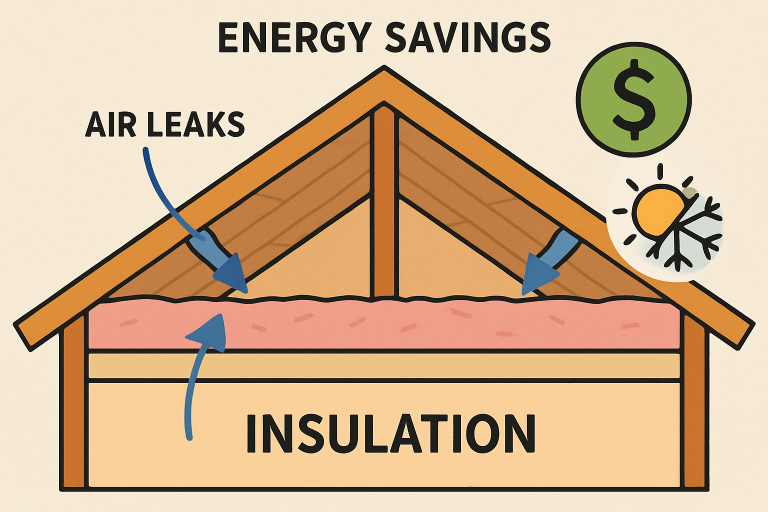
One commonly overlooked step before adding any new insulation is thoroughly sealing air leaks in the attic. Even high-quality insulation can’t perform effectively if air is escaping through gaps and cracks. Look for areas around recessed lighting, attic hatches, plumbing vents, and where walls meet the roof. Caulking, weatherstripping, or using expandable spray foam are excellent ways to block these leaks. This preliminary step not only supports the work of your insulation but also prevents moisture buildup and reduces strain on your HVAC system.
In addition to attic insulation, adding crawl space insulation can further enhance your home’s energy efficiency. By insulating the area beneath your floors, you reduce heat loss from below the home, keeping floors warmer in winter and cooler in summer, while also helping prevent moisture-related issues.
Properly sealing air leaks and addressing crawl space insulation can save homeowners up to 20% on heating and cooling costs annually. By thoroughly addressing these gaps before upgrading insulation, you create the foundation for maximum energy efficiency.
Choose the Right Insulation Material
With many types of insulation available, it’s essential to select the material that aligns best with your home’s unique needs and local climate. Common options include:
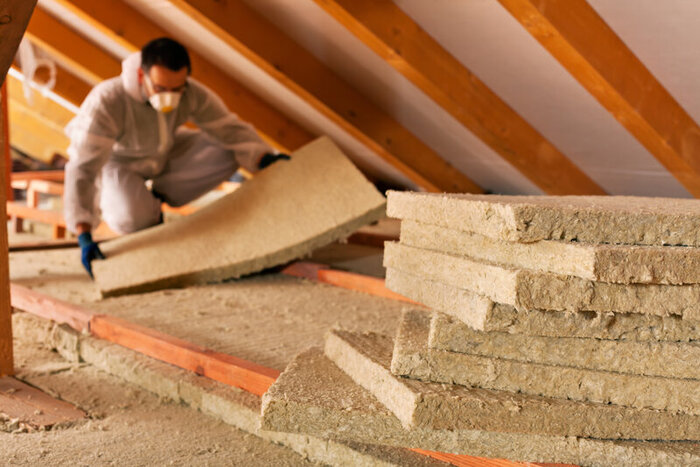
- Fiberglass Batts: Known for affordability and ease of installation, these are ideal for attics with standardized joist spacing. However, they must be fitted carefully to avoid leaving gaps.
- Spray Foam: This option expands to fill even the smallest crevices, providing a superior air seal and higher R-value per inch. It’s particularly advantageous for irregularly shaped attics or spaces with lots of obstacles. According to Architect Magazine, spray foam is praised for its versatility and ability to maintain consistent thermal performance even in hard-to-reach areas, making it a top choice for both new construction and retrofit projects.
- Cellulose: Made from recycled materials, cellulose insulation is both eco-friendly and effective in reducing air infiltration. It’s often blown in, allowing for even coverage and good thermal performance.
Consider factors such as the local weather, attic size and shape, your budget, and whether existing insulation needs to be supplemented or replaced. Consulting with a professional can help ensure you make a choice that maximizes your investment.
Implement Radiant Barriers
Radiant barriers address a key source of attic heat gain: solar radiation. These foil-like materials are typically installed along the underside of the roof, reflecting radiant heat outward rather than allowing it to pass into attic spaces. This is especially beneficial in hot climates where cooling costs are significant. While radiant barriers alone won’t replace the need for bulk insulation, they serve as an effective supplement, reducing overall attic temperatures and lightening the load on air conditioning systems. As Energy Saver guides explain, this can translate to substantial summertime energy savings when paired with traditional insulation.
Enhance Ventilation
Ventilation plays a crucial role in the health and efficiency of attic insulation. A well-ventilated attic allows moisture to escape and helps regulate temperature, preventing issues such as mold growth or ice dams during colder seasons. Consider options such as ridge vents, soffit vents, and attic fans, which work together to facilitate constant airflow. Improved ventilation not only preserves insulation materials but also helps keep indoor temperatures consistent, lessening the workload on your home’s HVAC system.
Consider Smart Insulation Solutions
Recent advancements in building science have introduced smart insulation systems that adapt to environmental changes. These systems utilize phase-change materials and dynamic barriers that adjust their thermal resistance in response to temperature fluctuations both inside and outside the attic. This real-time adaptability enables optimal insulation performance during both hot and cold spells, thereby reducing reliance on heating or cooling systems. While these technologies may come at a higher upfront cost, they offer the prospect of long-term energy savings for forward-thinking homeowners.
Regular Maintenance and Upgrades
Insulation is not a set-it-and-forget-it improvement. Over time, materials can settle, compress, or even become damaged due to pests or moisture. Regularly inspecting your attic ensures you catch and address potential issues early. Upgrading to insulation with higher R-values, or simply reapplying coverage in compressed areas, can provide fresh energy savings each season. Updating insulation to meet current best practices and standards is a worthwhile investment for maintaining peak home performance.
Professional Assessment
When in doubt, seeking guidance from an energy efficiency professional can make a world of difference. Professionals conduct energy audits using specialized tools to pinpoint exactly where heat loss is occurring and recommend precision solutions for your home. An energy audit often pays for itself in improved comfort and ongoing utility bill savings.
Incorporating these creative and practical solutions for attic insulation places you one step closer to a more energy-efficient, comfortable, and cost-effective home. Whether you choose to tackle upgrades yourself or consult a professional, every improvement in your attic’s insulation can yield long-lasting benefits.