

Key Takeaways
- Temperature fluctuations cause expansion and contraction, which stresses roofing materials.
- Heavy precipitation and snow can reveal vulnerabilities, causing leaks and damage.
- Consistent maintenance and swift repairs are crucial to counteract the effects of seasonal changes.
Every roof faces the persistent test of nature’s ever-changing climate. Homeowners who understand the challenges brought by different seasons can make informed decisions to prolong the life of their roofs and maintain their home’s safety. Given the complexity of weather’s impact, careful maintenance and informed choices are vital. If you’re noticing issues such as leaks or missing shingles, reaching out to a trusted roofing company Wheat Ridge can help you address seasonal risks before they become serious problems.
Seasonal changes bring more than temperature shifts—they involve rain, heat, debris, snow, and ice, which take a toll. Cold-warm or dry-wet shifts can cause minor issues to escalate without proper care. Early detection and maintenance help avoid costly repairs and failures. Weather extremes can reduce the lifespan of even new roofs. Preparing and understanding seasonal risks help homeowners extend their roof’s life, save costs, and keep homes energy-efficient and safe. Following weather advisories, local codes, and routine maintenance with professional guidance ensures roofs withstand seasonal extremes.
Spring: Rain and Rapid Temperature Changes
Threats from Moisture and Volatility
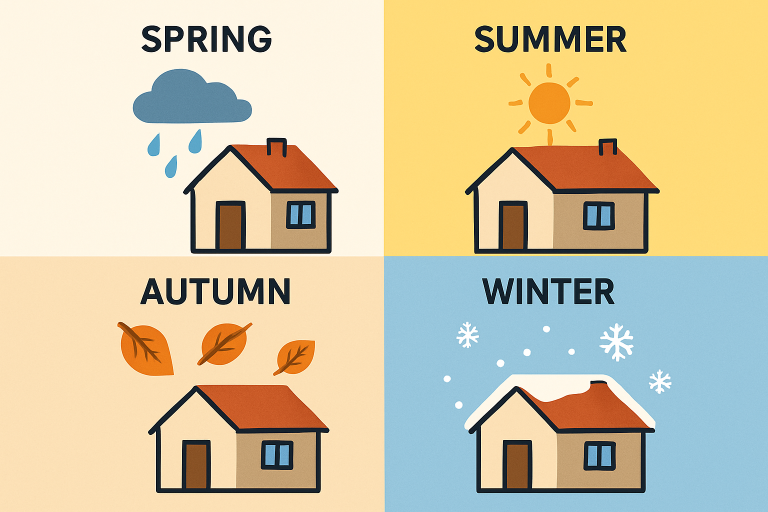
Spring brings bouts of rain and temperature swings, both of which can put significant strain on your roof. Prolonged moisture from rainfall will penetrate even the tiniest cracks, especially if winter has loosened seals or shingles. This creates the ideal environment for mold, mildew, and wood rot, all of which compromise the underlying structure. At the same time, rapid shifts between cold and warm air cause roofing materials to expand and contract, further weakening joints and flashing.
Taking advantage of mild weather for regular inspections in spring ensures that smaller issues—like separated seams, missing caulk, or a damaged shingle—are corrected before summer’s intense heat sets in. Early attention to these concerns can prevent costly repairs and help your roof withstand summer’s harsher elements.
Summer: Heat and UV Radiation
Intense Sunlight and Thermal Impact
Summer’s relentless sun beats down directly on your roof, causing not just heat buildup but also UV-induced deterioration. Asphalt shingles are especially vulnerable, as prolonged exposure can cause them to become brittle, crack, and lose their protective granules. These effects increase the risk of leaks, especially as late-summer storms move in.
A properly ventilated attic is a homeowner’s best defense, as it regulates interior temperatures and prevents excessive heat buildup, which can damage both the roof and interior ceiling. Regularly checking for curled or missing shingles ensures that you catch UV damage early.
Autumn: Falling Leaves and Debris
The Clog and Moisture Dilemma
Autumn can present hidden dangers for rooftops. Deciduous trees shed their leaves, which can quickly accumulate in gutters and on the roof surface. When these organic materials accumulate, they trap moisture, leading to the growth of algae and moss, or even wood rot in vulnerable areas.
Clogged gutters cause rainwater to overflow, resulting in water pooling at the roof edge—one of the leading causes of ice dam formation in winter. Removing debris regularly allows free water flow and prevents costly water and mold damage. If nearby trees are overgrown, trimming branches can help prevent leaves and broken limbs from accumulating on the roof.
Winter: Snow, Ice, and Freeze-Thaw Cycles
Structural Strains and Water Intrusion
Winter’s challenges are some of the hardest on a roof’s structure. Snow accumulates on the surface, adding significant weight that strains support elements, especially in older roofs. Melting snow followed by freezing temperatures creates ice dams—thick ridges of ice along the eaves that trap meltwater, causing it to seep beneath shingles and into your attic.
The best protection against these winter hazards is to ensure your attic is well-insulated and ventilated. This keeps roof surfaces cold, minimizing melt and reducing the likelihood of ice dam formation. After heavy snowfall, use a roof rake to remove excess snow buildup carefully.
Proactive Maintenance Strategies
- Schedule roof inspections twice a year, ideally in spring and fall.
- Clean gutters and downspouts to guarantee effective water drainage year-round.
- Trim tree branches that hang over your roof to prevent excess debris accumulation.
- Ensure that attic insulation and ventilation are adequate to maintain consistent temperatures and manage moisture effectively.
Choosing the Right Materials
Material Matters for Seasonal Durability
The longevity and resilience of a roof largely depend on the materials used. In colder climates, metal roofing or architectural asphalt shingles provide better protection against snow and ice. In regions with high heat and sunlight, tiles or modern composite materials may be more effective. Consulting a knowledgeable roofing professional is always recommended to match materials to your local climate and your home’s architecture.
Conclusion
Roofs are among the hardest-working parts of any home, repeatedly exposed to the harshest conditions each season brings. Recognizing the threats posed by rain, UV rays, debris, and snow—and addressing them swiftly—will help you get the most from your investment. Combine high-quality materials, partner with experts as needed, and make regular maintenance a routine practice. This approach ensures sturdy protection for your home and peace of mind throughout the year.