

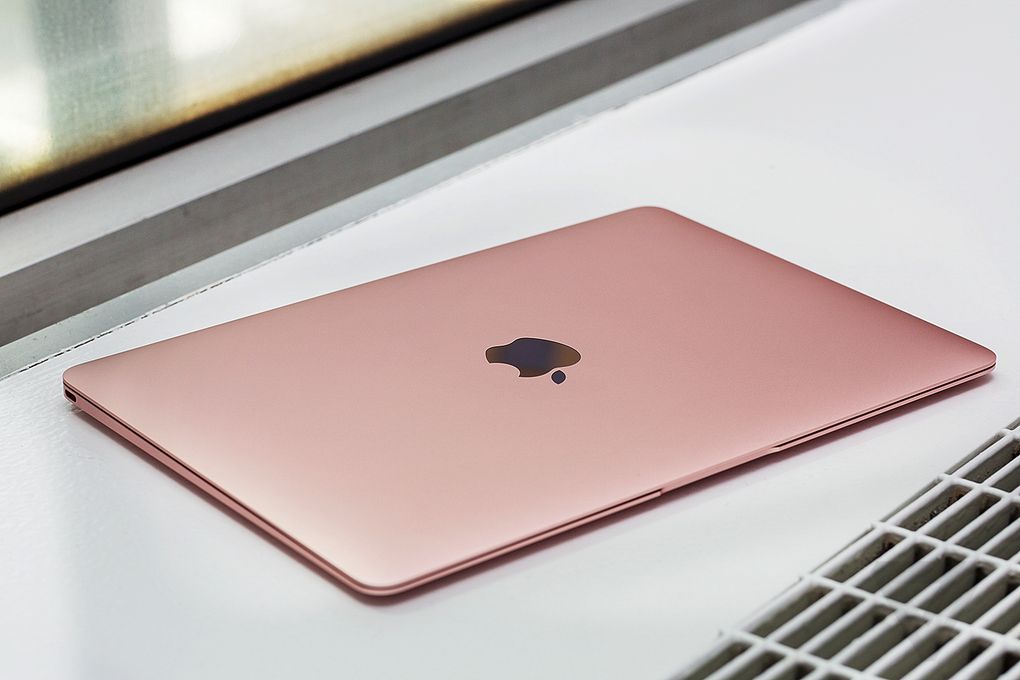
Introduction
Since its debut in 2006, the MacBook has established itself as one of the most influential and premium laptop lines in computing history. Apple’s portable computers have consistently set industry standards for design, performance, and user experience, attracting professionals, creatives, and everyday users alike. Today’s MacBook lineup represents the pinnacle of laptop engineering, combining sleek aesthetics with powerful performance and seamless integration into Apple’s broader ecosystem.
The Evolution of MacBook
The original MacBook marked Apple’s transition from PowerPC to Intel processors, revolutionizing portable computing with its aluminum unibody construction and innovative design philosophy. Over nearly two decades, the MacBook has undergone numerous transformations, each iteration bringing meaningful improvements while maintaining the brand’s commitment to elegance and functionality.
The introduction of the Retina display in 2012 set new standards for laptop screens, offering pixel density previously thought unnecessary for portable devices. This decision, initially criticized for being excessive, became industry standard within years. Similarly, Apple’s controversial removal of the traditional USB-A port in favor of USB-C proved prescient, as USB-C eventually became the universal charging standard for portable devices.
Current MacBook Lineup
Today, Apple offers three primary MacBook models: the MacBook Air, Mac Book Pro 14-inch, and MacBook Pro 16-inch, each serving distinct user needs and budgets.
MacBook Air
The MacBook Air remains Apple’s most accessible laptop, perfect for students, casual users, and professionals seeking portability without compromising performance. Recent generations feature Apple’s custom-designed silicon chips, remarkable battery life extending beyond fifteen hours, and a fanless design that ensures silent operation. The MacBook Air’s elegant design, available in multiple colors, appeals to users who value aesthetics alongside functionality. At a significantly lower price point than Pro models, the Air offers surprising versatility for everyday computing tasks, web browsing, content consumption, and moderate creative work.
MacBook Pro 14-inch
The 14-inch MacBook Pro represents the sweet spot for many professionals, balancing portability with powerful performance. Featuring Apple’s Pro or Max chips, this model accommodates demanding workflows in video editing, 3D rendering, software development, and music production. The 14-inch display provides ample screen real estate while maintaining reasonable portability, and the introduction of multiple ports—including HDMI, SD card readers, and Thunderbolt—addressed long-standing user complaints about limited connectivity.
MacBook Pro 16-inch
For professionals requiring maximum performance and screen space, the 16-inch Mac Book Pro stands as Apple’s flagship. This powerhouse suits video editors, data scientists, developers, and designers tackling complex projects. The larger display reduces eye strain during extended work sessions, and the expanded chassis accommodates superior cooling systems, enabling sustained high performance. The 16-inch model also offers maximum configuration options, allowing users to tailor their machine to specific professional requirements.
Design and Build Quality
MacBooks are renowned for their exceptional build quality. The aluminum unibody construction, refined over generations, creates devices that feel premium while maintaining impressive durability. The precision engineering extends to every detail—from the satisfying keyboard mechanism to the smooth trackpad integration.
Recent MacBooks feature minimal bezels surrounding their displays, maximizing screen real estate within compact chassis. The Space Black finish option on newer models adds a sophisticated aesthetic while reducing fingerprint visibility compared to traditional silver aluminum. The overall design philosophy emphasizes minimalism and functionality, avoiding unnecessary complexity while ensuring users have access to necessary ports and features.
Performance and Apple Silicon
The transition to Apple’s custom silicon chips represents perhaps the most significant MacBook development in recent years. The M-series chips—M1, M2, M3, and their Pro and Max variants—deliver exceptional performance across single and multi-threaded tasks while maintaining remarkable efficiency.
Unlike traditional Intel processors, Apple’s designs integrate CPU, GPU, memory, and neural processing capabilities on a single chip, reducing power consumption and heat generation. This integration enables MacBooks to deliver desktop-class performance while achieving battery life that rivals smartphones. The unified memory architecture eliminates the traditional bottleneck of data transfers between components, benefiting creative professionals working with large files.
Software Integration
MacBooks run macOS, Apple’s sophisticated operating system that seamlessly integrates with the broader Apple ecosystem. Handoff allows seamless continuation of work between Mac, iPhone, and iPad. Universal Clipboard enables copying content on one device and pasting on another. AirDrop provides effortless wireless file sharing among Apple devices.
For users deeply invested in Apple’s ecosystem—owning iPhones, iPads, Apple Watches, and AirPods—this integration creates a cohesive digital experience that enhances productivity and convenience. The tight software-hardware integration also contributes to MacBooks’ renowned stability and longevity.
Professional Applications
MacBooks dominate among creative professionals, particularly in film, music, and design industries. Final Cut Pro, Logic Pro, and professional-grade Adobe applications run exceptionally well on modern Mac Books. Software developers appreciate the Unix-based macOS foundation and excellent developer tools. The combination of powerful hardware and sophisticated software attracts professionals who can justify premium pricing through productivity gains.
Considerations and Criticisms
Despite their strengths, MacBooks present certain considerations. The premium pricing excludes budget-conscious consumers despite the Air’s relative affordability. Some users find the keyboard less tactile than preferred, though recent generations have improved considerably. Upgrading components after purchase remains impossible—users must select appropriate specifications at purchase time. Additionally, macOS, while powerful, operates differently from Windows, requiring adjustment for new users.
The limited availability of legacy ports frustrates some users requiring traditional connectivity, though this increasingly represents a minor issue as peripherals modernize.
Conclusion
The Mac Book ecosystem represents Apple’s design philosophy perfected—beautiful, powerful, and intuitive devices that inspire devotion among users. Whether selecting an economical Air for basic computing or a fully-configured 16-inch Pro for professional work, Mac Books deliver reliability, performance, and elegance. While premium pricing and ecosystem lock-in may deter some, for many users, Mac Books represent worthwhile investments in tools that enhance both productivity and enjoyment of computing. As technology continues evolving, Mac Books will undoubtedly lead innovation in portable computing, maintaining their position as benchmark-setting devices in the laptop industry.
 Anita
Anita