

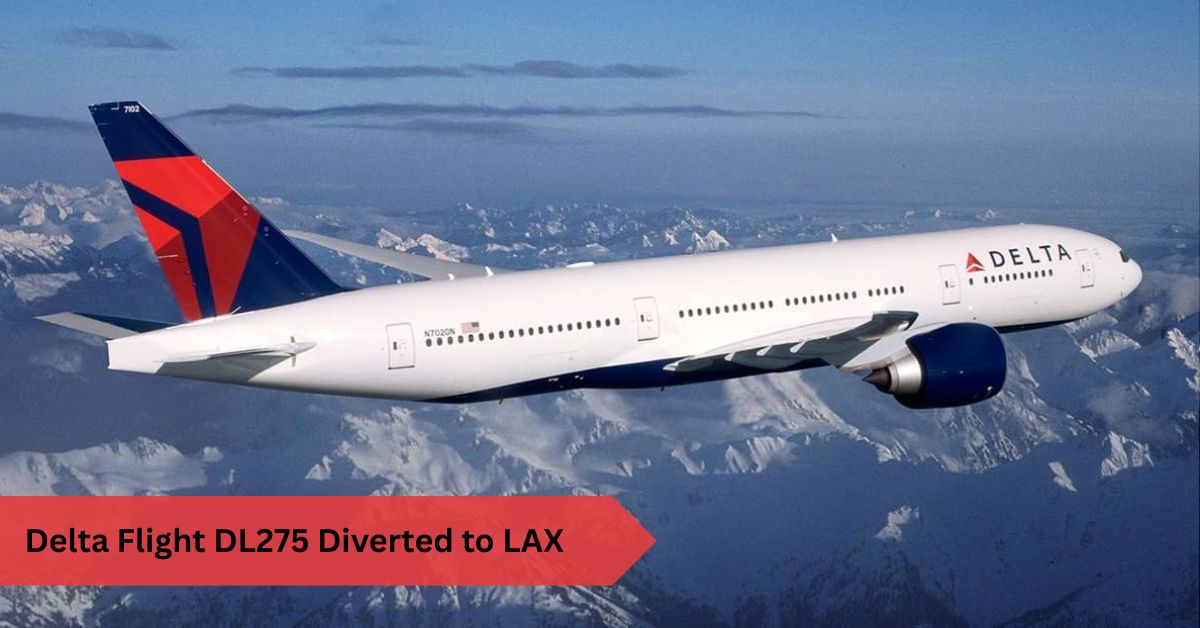
What Happened When a Trans-Pacific Flight Made an Unexpected Landing
On May 28, 2025, passengers aboard Delta Air Lines Flight DL275 settled in for what should have been a routine 13-hour journey from Detroit to Tokyo Haneda. Instead, they experienced firsthand how modern aviation safety systems work when something goes wrong thousands of feet above the Pacific Ocean.
The Airbus A350-900, carrying passengers from Detroit Metropolitan Wayne County Airport (DTW) to Japan, made an unexpected diversion to Los Angeles International Airport (LAX) after the crew detected a technical issue with the aircraft’s engine anti-ice system.
| Detail | Information |
|---|---|
| Flight Number | DL275 |
| Airline | Delta Air Lines |
| Aircraft | Airbus A350-900 (Registration: N508DN) |
| Route | Detroit (DTW) → Tokyo Haneda (HND) |
| Diversion Airport | Los Angeles International Airport (LAX) |
| Reason | Engine anti-ice system malfunction |
| Outcome | Safe landing, no injuries |
The Incident: A Closer Look
The flight departed Detroit on schedule, climbing to its cruising altitude of approximately 38,000 feet as it began the long trans-Pacific journey. About five hours into the flight, while the aircraft was approximately 620 nautical miles southwest of Anchorage, Alaska, the flight crew received an alert regarding the engine anti-ice system on one of the Rolls-Royce Trent XWB engines that power the Airbus A350.
Rather than risk continuing the long journey over the vast Pacific Ocean, the pilots made a precautionary decision to divert the aircraft. They turned the plane around and headed for Los Angeles International Airport—a major Delta hub with extensive maintenance facilities and long runways capable of handling wide-body aircraft.
The aircraft landed safely on LAX’s Runway 06R approximately 5.5 hours after the diversion decision was made. The landing took place in the early morning hours of May 28, 2025, at 1:38 AM Pacific Daylight Time.
Why the Engine Anti-Ice System Matters
To understand why the crew made this decision, it helps to know what the engine anti-ice system does. At cruising altitudes of 38,000 feet, temperatures can drop to -50°C or lower. Moisture in the air can freeze and form ice on aircraft surfaces and inside engines.
If ice builds up inside an engine, it can:
- Disrupt normal airflow
- Cause compressor stalls
- Reduce engine efficiency
- Potentially damage internal components
The anti-ice system prevents this by heating critical engine areas. When this system malfunctions, continuing a long flight over cold oceanic regions becomes an unnecessary risk—which is why the pilots chose to divert.
Why LAX Was the Right Choice
The decision to divert to Los Angeles was not arbitrary. LAX offered several advantages that made it the safest and most practical option:
- Long runways capable of handling large aircraft like the A350, especially when carrying substantial fuel loads
- Strong Delta maintenance presence with certified technicians and necessary support equipment
- 24/7 operational capabilities with advanced emergency services
- Excellent passenger support infrastructure for rebooking and accommodation
The aircraft remained on the ground at LAX for approximately 18.5 hours while maintenance teams diagnosed and addressed the issue before it returned to service.
Passenger Experience
For those on board, the diversion came as a surprise. According to reports, the cabin crew remained calm and professional throughout the situation. The captain explained that the diversion was a precautionary safety decision rather than an emergency situation.
After landing at LAX, Delta staff assisted passengers with:
- Rebooking on alternative flights to Tokyo Haneda
- Arranging accommodations where needed
- Providing meals and transportation support
A Pattern of Caution
Interestingly, the DL275 diversion occurred on the same day as two other Delta flights experienced issues. Flight DL2346 from New York LaGuardia to Miami diverted to JFK after a loud noise was heard during takeoff, while Flight DL2286 from JFK to Atlanta diverted to Charlotte after cockpit smoke was detected. The incidents were unrelated but highlight how airlines consistently prioritize safety over schedules.
Why Diversions Are Actually Good News
For passengers, a flight diversion can feel alarming. But in aviation, diversions are a sign that safety systems are working exactly as designed. Modern aircraft are equipped with advanced monitoring systems that constantly track engine performance, pressure levels, and system integrity. When these systems detect even minor irregularities, they alert the crew so action can be taken before small issues become serious problems.
Common reasons for flight diversions include:
- Mechanical or technical issues
- Medical emergencies
- Severe weather conditions
- Airport congestion or closures
- Security concerns
The Bottom Line
The diversion of Delta Flight DL275 to Los Angeles International Airport ultimately had a positive outcome: the aircraft landed safely, no passengers or crew were injured, and everyone was rebooked on alternative flights. The aircraft’s advanced monitoring systems detected a potential problem, the crew made a prudent safety decision, and ground teams efficiently handled the situation upon arrival.