

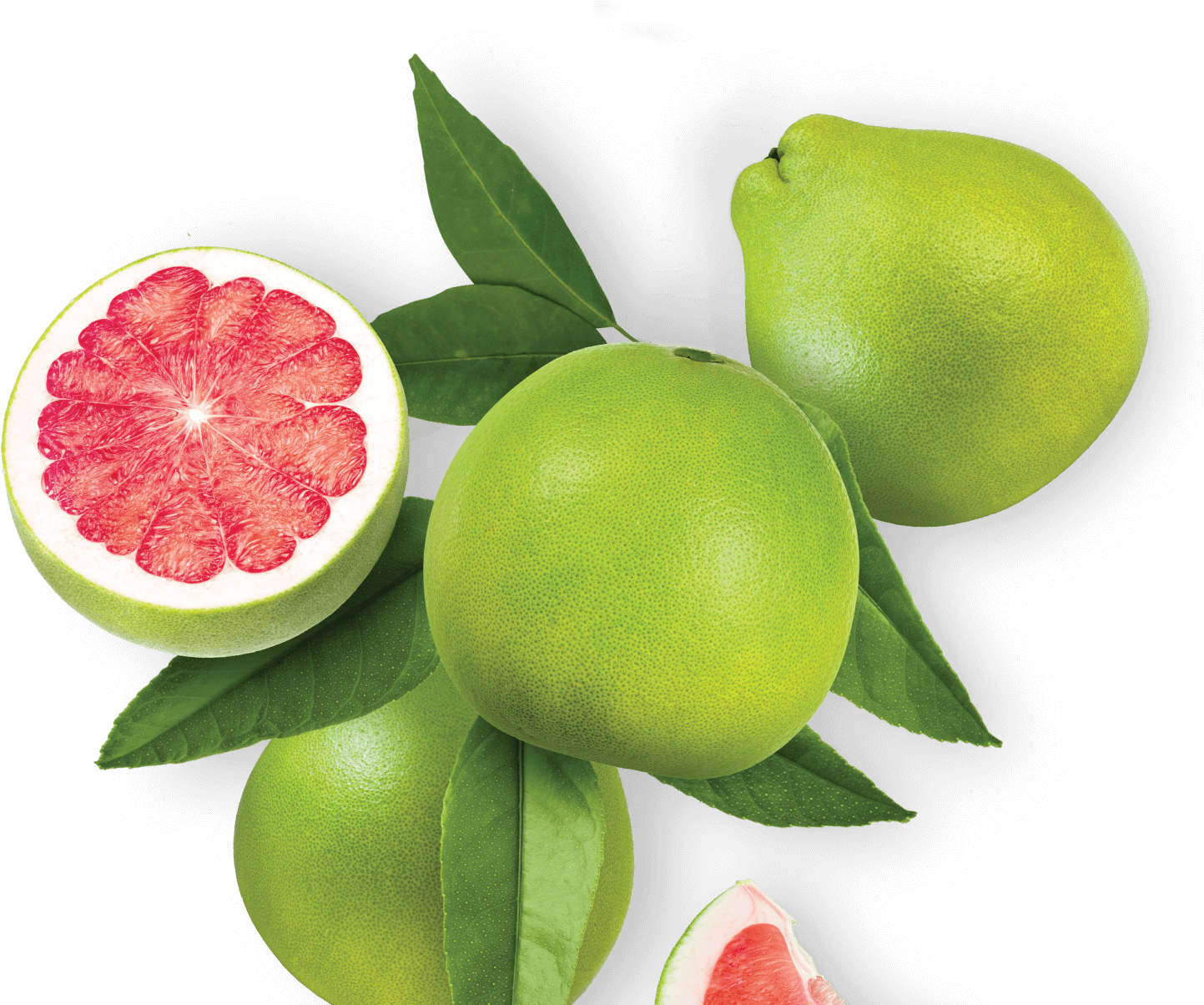
What is a Pummelo?
True to its botanical name Citrus maxima, the pummelo is the undisputed largest citrus fruit. It typically measures 6-9 inches in diameter and can weigh between 2 to 4 pounds, though some exceptional specimens have been known to reach a staggering 15 pounds . Its thick rind, which can range from dark green to pale yellow when ripe, encloses segments of flesh that are far drier and less bitter than a grapefruit’s, offering a subtly sweet and mild flavor .
Originating in Southeast Asia, particularly Thailand and Malaysia, the pummelo thrives in tropical and subtropical climates . It has been cultivated for centuries and holds significant cultural importance, especially during festive occasions like the Mid-Autumn Festival in China and Vietnam, where it symbolizes family unity and prosperity. While it’s a popular fruit across Asia, it remains a niche crop in the United States, with limited commercial production in Florida, California, and Hawaii .
A Fruit of Many Names and a Family Connection
The pummelo’s journey through history and language is as rich as its flavor. You might hear it called by several other names, including the shaddock—a name believed to honor an English sea captain who introduced it to the West Indies in the 17th century . In French, it’s often referred to as pamplemousse .
Botanically, the pummelo is famous for being one of the original citrus species. Its most notable offspring is the grapefruit, which is a hybrid, a cross between the pummelo and the sweet orange (Citrus sinensis) . Unlike the grapefruit, which often grows in clusters, the pummelo fruit typically grows singly .
A Nutritional Profile Worth Exploring
Beyond its intriguing history, the pummelo offers a compelling array of nutrients. While it may not be as well-researched as oranges or lemons, its nutritional value is impressive.
- Vitamin C Powerhouse: One of the pummelo’s standout features is its exceptionally high vitamin C content. It contains about 61 mg per 100g, which is roughly double the amount found in a grapefruit . Vitamin C is a crucial antioxidant that supports the immune system, helps in the absorption of iron, and is essential for collagen production, which aids in wound healing and maintaining healthy skin .
- Rich in Antioxidants: The fruit is laden with bioactive compounds, particularly flavonoids and phenolic acids like caffeic acid . These substances are potent antioxidants that help combat oxidative stress in the body—an imbalance between free radicals and antioxidants that can lead to cell damage and chronic disease.
- Dietary Fiber: Pummelo is a good source of dietary fiber, which is vital for digestive health, helps regulate blood sugar levels, and can contribute to a feeling of fullness, aiding in weight management .
Emerging Health Benefits: What Science is Discovering
While the pummelo has been used in traditional medicine for centuries, modern science is beginning to validate its health-promoting properties.
A recent landmark study investigated the effects of pummelo pulp extract on blood samples from human participants with varying degrees of obesity . The results were striking. Researchers found that incubating blood cells with the extract significantly reduced oxidative damage to lipids, proteins, and even DNA . This suggests that the bioactive compounds in pummelo are highly effective at protecting our cells from the kind of damage that underpins many chronic diseases. Notably, the study also observed a significant increase in vitamin C levels in the blood after exposure to the extract .
This human cell research builds upon promising animal studies. Another study on rats with non-alcoholic fatty liver disease (NAFLD) found that treatment with pummelo extract led to significant improvements . It not only reduced harmful inflammation (lowering markers like TNF-α and IL-1β) and boosted the body’s own antioxidant enzymes (SOD and CAT), but also improved the lipid profile by decreasing triglycerides and liver cholesterol .
Furthermore, traditional medicine systems, such as in China, have long recognized the pummelo’s therapeutic potential. It is traditionally used to help alleviate “phlegm cough,” and modern pharmacological studies have pointed to its anti-inflammatory and blood sugar-lowering effects .
Enjoying Pummelo and Important Precautions
Selecting a ripe pummelo is similar to choosing a grapefruit. It should feel heavy for its size, indicating juiciness, and the rind should be fragrant. The thick rind and pith are actually a blessing, as they protect the fruit, giving it a remarkably long shelf life of 2 to 3 months . To eat it, you’ll need a knife to score the thick rind, which can then be peeled away by hand, often revealing a perfect, handle-like segment of pith. The inner flesh can then be separated into segments, and the tough membranes peeled away to reveal the juicy cells inside.
A Crucial Word of Caution:
If you take any prescription medications, it is vital to consult your doctor or pharmacist before adding pummelo to your diet. Like grapefruit, pummelo contains compounds called furanocoumarins that can interfere with enzymes in your intestines responsible for breaking down certain drugs . This interaction can lead to dangerously high levels of the medication in your bloodstream, increasing the risk of severe side effects.
This interaction has been documented with a wide range of medications, including:
- Statins for high cholesterol (e.g., atorvastatin, lovastatin)
- Certain blood pressure medications (e.g., nifedipine, felodipine)
- Some antibiotics and anticancer drugs
- Immunosuppressants
The advice from experts is clear: it is safest to avoid pummelo altogether if you are on such medications, as simply spacing them out by a few hours is not enough to prevent the interaction .
Conclusion
The pummelo is far more than just a large, mild-tasting citrus fruit. It is a nutritional heavyweight with a rich cultural heritage and a growing reputation as a functional food with real health benefits. From its impressive vitamin C content to its powerful antioxidant and anti-inflammatory properties, this “citrus giant” offers a compelling reason to look beyond the more common offerings in the produce aisle. For those not on conflicting medications, adding this sweet, refreshing, and ancient fruit to your diet is a delicious way to tap into the powerful, health-promoting potential of nature.
 Anderson