

Key Takeaways
- Encourage multi-sport participation to develop diverse athletic skills and prevent early burnout.
- Focus on fundamental basketball skills through structured, age-appropriate training programs.
- Implement regular mental conditioning activities to enhance focus, resilience, and adaptability.
- Promote teamwork and communication to foster a more cohesive and effective playing experience on the court.
- Ensure proper rest, recovery, and a healthy balance between sports and other life activities to prevent burnout and injuries.
Developing young athletes for competitive basketball requires more than just natural talent; it involves structured skill-building, physical conditioning, and mental preparation. Young players need guidance in mastering fundamental techniques such as dribbling, shooting, and defensive positioning, while also learning how to work effectively within a team. Understanding game strategy and developing strong decision-making skills on the court are equally essential for building confidence and consistency in performance.
Participating in youth basketball training in Chicago can provide a supportive environment where players receive consistent practice and constructive feedback. Structured programs help young athletes gradually increase their intensity and adapt to competitive play, focusing on both individual growth and team dynamics. This preparation lays the foundation for a successful transition into higher levels of basketball competition.
The Importance of Multi-Sport Participation
Involvement in various sports is strongly advocated by developmental specialists, including those from the NBA’s youth basketball sector. Postponing specialization in basketball until at least age 14 promotes physical literacy and a broad range of skills while decreasing the risk of overuse injuries and mental burnout. Participating in multiple sports bolsters qualities such as agility, coordination, and adaptability, all of which are beneficial for basketball. Participating in various sports enables children to discover their interests, develop social skills, and maintain motivation, ultimately leading to the formation of sustainable, healthy habits that benefit both physical and mental well-being.
Building Fundamental Basketball Skills
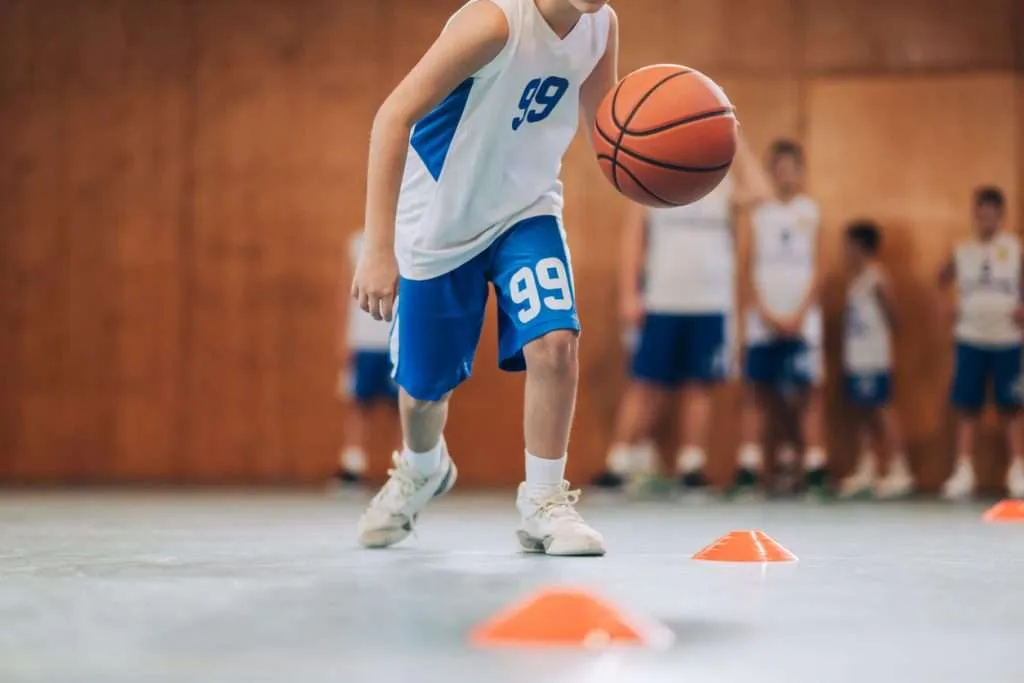
Strong fundamentals are crucial for success in competitive basketball. Core skills, such as ball handling, shooting technique, defensive stance, and footwork, should be emphasized in every training session, regardless of a player’s age or skill level. Well-structured training programs incorporating skill drills, controlled practice games, and individualized feedback are essential for building these foundations. For instance, targeted dribbling or passing exercises enhance coordination, while consistent shooting practice improves both accuracy and confidence. Defensive techniques, including proper stance and lateral movement, are crucial for achieving success. Coaches need to track progress and acknowledge improvements, introducing more complex drills only after basic skills have been mastered. A commitment to perfecting the fundamentals fosters well-rounded players who can adjust to advanced levels of play and make meaningful contributions to their teams.
Mental Conditioning and Focus
The mental demands of competitive basketball can often surpass the physical. Athletes are required to process information quickly, make split-second decisions, adapt strategies on the fly, and effectively manage the natural stress and excitement of high-stakes games. Mental conditioning, therefore, must be treated as an essential aspect of athletic development. Techniques such as visualization, mindfulness practices, and cognitive training exercises are invaluable tools for enhancing mental well-being. Guided imagery, for example, enables athletes to rehearse successful outcomes and develop the mental pathways needed for confidence under pressure. Incorporating mindfulness into daily routines has been shown to enhance focus, reduce game-time anxiety, and cultivate resilience. Technology-aided programs have gained traction due to their ability to improve decision-making, reaction time, and game intelligence in youth athletes. By training the brain alongside the body, young basketball players are better equipped to handle adversity, rebound from mistakes, and remain focused during key moments of a game.
Teamwork and Communication
Competitive basketball thrives on strong team dynamics and collaboration. Young athletes should be encouraged to communicate effectively by calling out plays, asking for help, and offering advice while embracing their roles on the team. Coaches can support this by incorporating team-building exercises and drills that focus on communication and quick decision-making. Regular team meetings and feedback sessions promote accountability and respect, fostering a positive culture. These practices enhance team chemistry, ensure that every player feels valued, and build resilience in challenging situations. Ultimately, this leads to improved performance and a more enjoyable sports experience.
Rest and Recovery
Proper recovery practices are essential for maintaining athletic performance and supporting long-term development. Young athletes, especially during growth spurts, are more susceptible to fatigue, injuries, and a loss of motivation if they do not receive adequate rest. Overtraining can impair performance, decrease enthusiasm, and negatively impact health and attitude toward activity. Thus, incorporating regular rest days, ensuring good sleep, and maintaining a balanced lifestyle with social activities and diverse interests are vital. Coaches and parents should encourage athletes to pursue hobbies outside of basketball to promote social-emotional growth and help prevent them from feeling pigeonholed or overwhelmed.
Conclusion
Preparing young athletes for competitive basketball is a multifaceted process that goes beyond physical skill development. By emphasizing fundamental techniques, mental conditioning, teamwork, and effective communication, coaches and parents can foster well-rounded players who thrive both on and off the court. Encouraging multi-sport participation and prioritizing rest and recovery helps prevent injuries and burnout, supporting long-term athletic growth. Ultimately, a balanced, structured, and supportive approach ensures that young athletes not only improve their game but also build confidence, resilience, and a lifelong love for sports.
 Anderson