

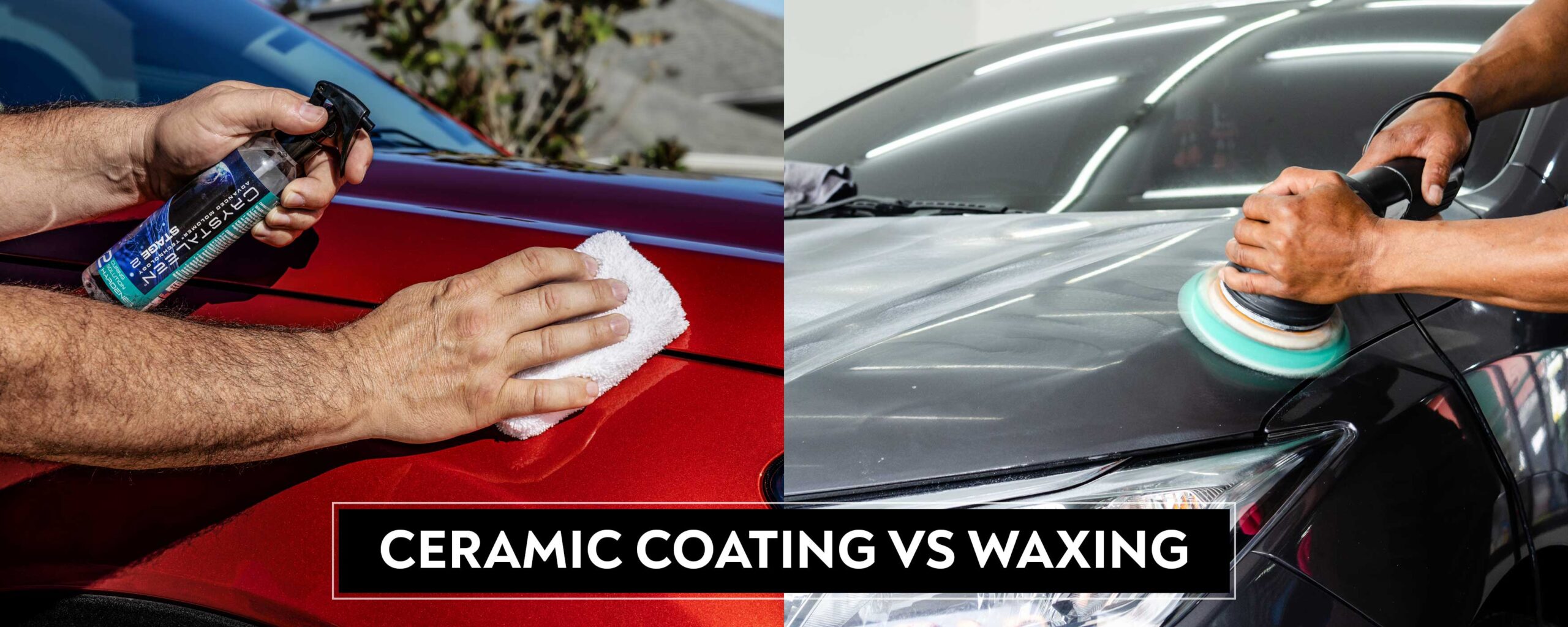
Key Takeaways
- Durability: Ceramic coatings deliver multi-year protection, whereas wax must be reapplied every few months.
- Protection: Ceramic coatings offer superior defense against contaminants, scratches, and UV-induced fading.
- Maintenance: The hydrophobic properties of ceramic-coated vehicles make them much easier to keep clean.
- Cost: While ceramic coatings have a higher upfront price, their longevity often makes them more economical in the long run.
When it comes to maintaining a vehicle’s appearance, protecting its paint is a key consideration for car owners. Traditionally, wax has been the go-to solution, offering a glossy finish and a temporary layer of protection against minor environmental factors. However, advances in automotive care have introduced ceramic coatings as an alternative, promising longer-lasting protection and enhanced durability. Understanding the differences between these two options can help vehicle owners make informed decisions about how best to preserve their car’s exterior over time.
Ceramic coatings differ from traditional wax in both composition and performance. Unlike wax, which wears off relatively quickly, ceramic coatings form a strong, semi-permanent bond with the paint surface, providing resistance to minor scratches, UV damage, and chemical contaminants. For vehicle owners exploring options such as ceramic coating for cars in Massapequa, NY, understanding these distinctions can clarify which approach aligns best with their maintenance goals and lifestyle, ensuring a well-protected and visually appealing vehicle. This knowledge also helps owners plan their long-term maintenance routines more efficiently.
Application Process
Traditional wax application involves spreading a wax paste or liquid over your car’s paint by hand or with a machine. This protective layer is relatively thin and typically lasts for just one to three months. Waxing is favored for its accessibility—many car owners prefer to apply it themselves at home. However, to maintain complete protection and shine, you’ll need to reapply wax frequently, especially in areas with harsher climates.
Ceramic coatings, on the other hand, use a liquid polymer that chemically bonds with the paint’s surface, hardening into a durable, invisible shield. The process is much more detailed, requiring careful surface preparation and a controlled environment to avoid imperfections. Most ceramic coatings are best applied by professionals, ensuring robust and even coverage that can last up to five years with proper care.
Durability and Longevity
A clear distinction between these two methods is the length of protection. Traditional waxes break down quickly due to weather, UV exposure, and regular washing—so drivers must factor in frequent reapplication. For those seeking a long-term solution, ceramic coatings outperform, providing protective effects that last several years. Recent innovations in nanoceramic technology have enabled coatings to provide even stronger resistance to corrosion, fading, and environmental degradation. This cutting-edge technology is a game-changer for car preservation.
Protection Against Environmental Damage
Your car’s paint is constantly vulnerable to threats like sun, rain, salt, and organic contaminants. While wax creates a physical barrier that temporarily shields against water and light debris, it doesn’t provide deep protection. Over time, its thin layer wears down, leaving your paint exposed to fading, stains, or etching. Ceramic coatings, on the other hand, create a highly water-repellent (hydrophobic) surface, causing water and contaminants to bead up and easily roll off. This not only prevents mineral deposits and stains but also offers substantial protection against UV rays and chemical corrosion. Additionally, the hardened surface of a ceramic coating helps deflect minor scratches and swirl marks, keeping your paint smooth and pristine. Many vehicle owners looking for automotive ceramic coating near me find that this advanced coating delivers long-term peace of mind and less frequent maintenance.
Maintenance and Cleaning
Regular upkeep is crucial if your vehicle is protected with traditional wax. Waxed finishes are not highly hydrophobic, so dirt and road grime can adhere more easily, often requiring more frequent and thorough washes—and regular rewaxing to renew shine and protection.
Cars treated with ceramic coatings require less maintenance over time. Because contaminants cannot easily adhere to the slick coating, light washing can restore the car’s gleam with minimal effort. The time saved on car care over the years adds real value and convenience to this choice, especially for busy drivers.
Cost Considerations
The upfront investment for ceramic coatings is considerably higher compared to the price of a can of wax. A professional application can cost several hundred dollars—sometimes more if paint correction is required beforehand. However, over time, ceramic coatings often prove to be more cost-effective than wax, given their reduced need for reapplication and lower maintenance requirements. Traditional wax requires purchasing products and dedicating time every few months, which adds up over time.
Aesthetic Appeal
Wax creates a warm, classic gloss that many car enthusiasts appreciate, but this eye-catching finish is short-lived. As wax wears off, the paint loses its luster and requires another round of buffing for fresh results.
Ceramic coatings produce a deeper, glass-like shine, bringing out the richness and clarity of your paint color. This shine doesn’t diminish quickly, offering your vehicle a showroom look for years. A ceramic-coated surface remains easy to wash, so your car continues to look freshly detailed with minimal touch-ups. As auto experts explain, this durable shine makes ceramic one of the most popular upgrades for car appearance and protection.
Making the Right Choice
Selecting between wax and ceramic coating relies on your budget, time, and protection requirements. Wax is a cost-effective, manual option suitable for car enthusiasts. Ceramic coatings offer superior protection, easier cleaning, and long-term value, making them a desirable luxury. Understanding their application process, durability, and maintenance requirements helps owners select the most suitable solution. Having a professional apply the coating ensures the best results and a shiny, flawless finish.
Conclusion
In conclusion, while traditional wax offers temporary shine and basic protection, ceramic coatings provide long-lasting durability, superior defense against environmental damage, and easier maintenance, for car owners seeking to preserve their vehicle’s appearance with minimal upkeep, investing in a ceramic coating can deliver lasting value, enhanced aesthetics, and peace of mind.