

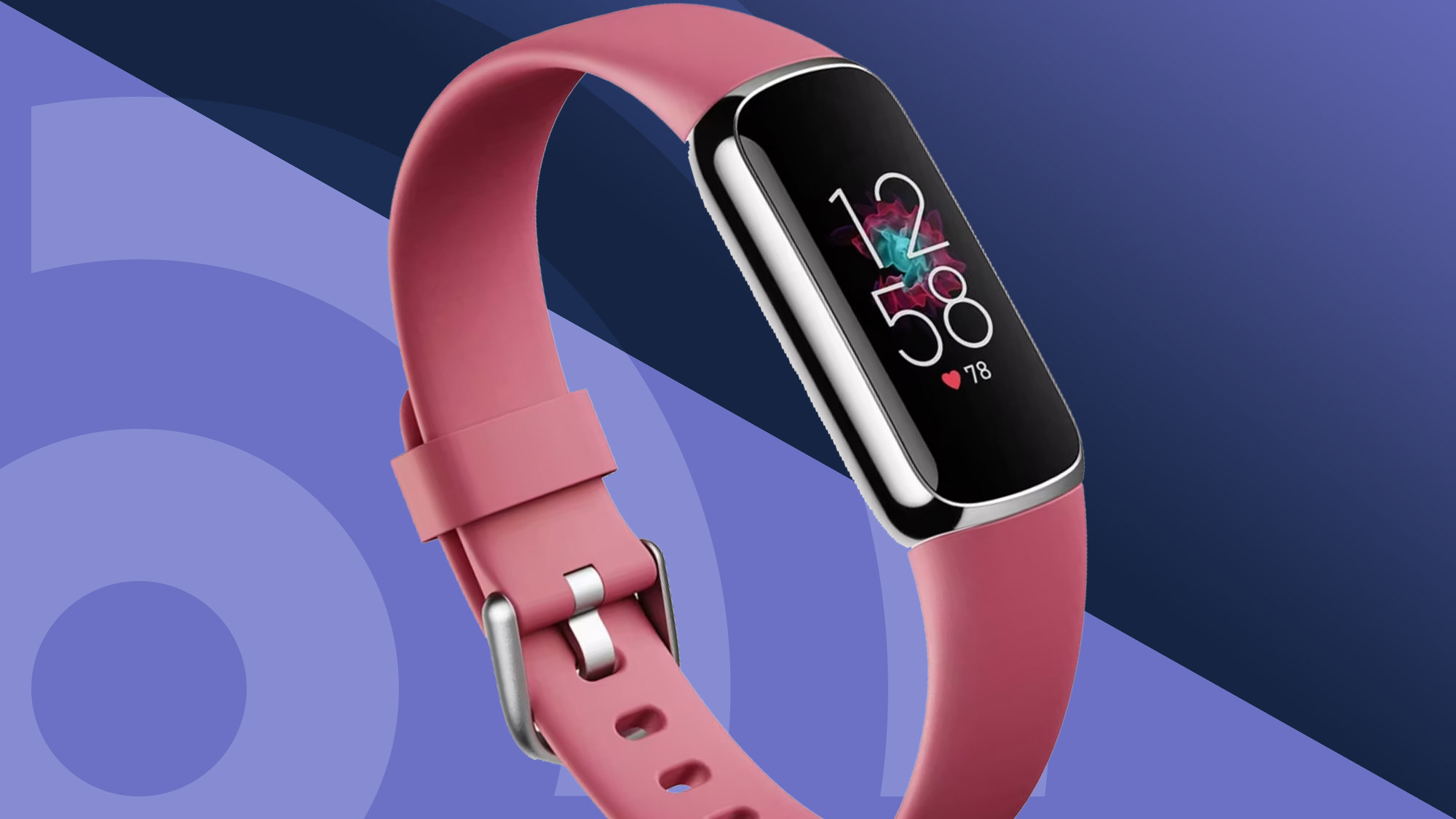
Fitness watches have come a long way from humble beginnings. What started as simple devices that counted steps have evolved into sophisticated wearables capable of tracking heart health, sleep quality, stress levels, training load and even recovery readiness. Today, fitness watches are not just accessories for athletes — they’re powerful health tools for everyday users seeking deeper insights into their wellbeing.
In fact, choosing between a Garmin, Polar or COROS fitness watch now comes down to far more than design preference. Modern buyers are comparing ecosystems, performance analytics and long-term health features rather than just step counts.
The Early Days: Simple Step Counters
The first fitness trackers were basic pedometers designed to encourage movement. Their primary purpose was behavioural — motivating people to walk more by turning daily steps into a visible goal. These early devices:
- Measured steps using mechanical or basic motion sensors
- Offered little to no data storage
- Provided no insight into intensity, heart rate or recovery
While simple, they laid the foundation for the quantified-self movement — the idea that measuring activity could drive healthier habits.
The Rise of Digital Fitness Trackers
As sensor technology improved, fitness trackers became digital, compact and wrist-worn. Accelerometers replaced mechanical components, allowing devices to estimate distance, calories burned and active minutes.
This era marked a shift from novelty to utility. Users began to rely on fitness watches not just for motivation, but for tracking progress over time. Sleep tracking and basic heart rate monitoring soon followed, transforming fitness trackers into early health companions.
GPS and Performance Tracking Change the Game
The real leap forward came with the integration of GPS. Suddenly, runners, cyclists and outdoor enthusiasts could track routes, pace, elevation and distance with precision. Fitness watches now appealed strongly to performance-focused users by offering:
- Accurate pace and distance tracking
- Training history and performance trends
- Workout planning and goal setting
Brands like Garmin became synonymous with endurance sport tracking, while Polar led innovation in heart rate accuracy and training load analysis.
The Health Tech Revolution
Modern fitness watches are now advanced health-monitoring devices. Optical sensors, algorithms and machine learning have enabled wearables to track far more than exercise alone. Today’s watches can monitor:
- Resting and active heart rate trends
- Blood oxygen saturation (SpO₂)
- Heart rate variability (HRV)
- Stress and recovery indicators
- Sleep stages and quality
This evolution reflects a broader shift: fitness is no longer just about workouts — it’s about holistic health. Users now care as much about recovery, sleep and long-term wellbeing as they do about kilometres logged.
From Athletes to Everyday Health Users
Once aimed almost exclusively at athletes, fitness watches are now used by office workers, parents, older adults and anyone interested in proactive health management. Lightweight designs, longer battery life and intuitive apps have made advanced health data accessible without overwhelming the user. Brands like COROS have further refined this balance by focusing on efficiency, durability and data clarity.
Smarter Insights Through Data and AI
Perhaps the most significant evolution isn’t hardware — it’s intelligence. Modern fitness watches interpret data rather than simply displaying it. Instead of just showing numbers, they now provide:
- Training readiness scores
- Recovery recommendations
- Adaptive workout suggestions
- Early warning signs of overtraining or illness
This shift from raw data to actionable insight has made fitness watches indispensable tools for both performance optimisation and preventative health.
What the Future Holds for Fitness Watches
As technology continues to advance, fitness watches are likely to become even more integrated into everyday healthcare. Emerging trends include:
- Deeper cardiovascular monitoring
- Improved menstrual and hormonal tracking
- Enhanced sleep and mental health analytics
- Integration with medical professionals and digital health records
The line between consumer fitness device and medical-grade health tech is steadily blurring.
The evolution of fitness watches reflects a broader change in how we approach health
From counting steps to analysing recovery and wellbeing, these devices now empower users with knowledge that was once available only in clinical or elite sports settings. Whether you’re training for performance, managing stress or simply aiming to move more each day, today’s fitness watches offer far more than motivation — they offer meaningful insight into how your body works, adapts and recovers.
 Harry
Harry