


Key Takeaways
- Analytics play a crucial role in optimizing marketing efforts and achieving more effective campaign results.
- Identifying and tracking the right KPIs, understanding and segmenting your audience, and leveraging predictive analytics are essential tactics.
- Personalization and A/B testing can significantly drive engagement and return on investment.
- Continuous analysis and optimization based on data-driven insights ensure that marketing strategies stay effective and relevant.
In today’s data-centric marketplace, the difference between successful and unsuccessful marketing strategies often lies in leveraging timely, actionable data insights. Businesses that adopt an analytical approach to marketing campaigns can identify exactly what’s working, make informed decisions, and optimize performance — all of which directly contribute to improved outcomes. Companies like Karben Marketing have harnessed the power of analytics to drive measurable growth and efficiency for their clients.
The capability to track audience behaviors, campaign progress, and ROI gives marketers the confidence to pivot strategies quickly and effectively. Data analytics doesn’t just illuminate past results — it sets the path for future innovation, ensuring brands remain relevant and competitive in an ever-evolving landscape.
Using robust analytics platforms, organizations of all sizes can uncover opportunities for improvement, address weaknesses, and ultimately strengthen their customer relationships. In fact, embracing data-driven marketing is rapidly becoming a must-have skill set for businesses looking to keep pace with consumer expectations.
Ensuring every marketing dollar is spent wisely becomes possible through vigilant monitoring and adjustment based on precise data.
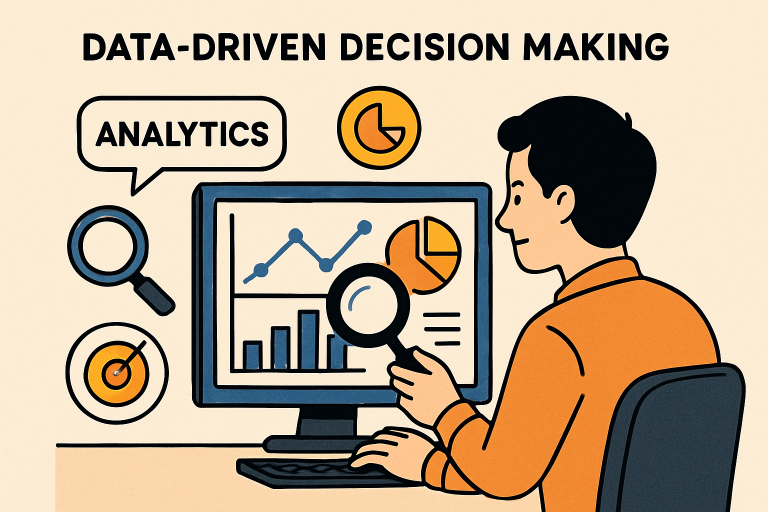
Identify Key Performance Indicators (KPIs)
Every successful marketing campaign starts by clarifying its end goals through well-chosen KPIs. Whether your objective is to increase website traffic, generate more leads, or boost sales, KPIs such as cost per acquisition, click-through rates, and return on ad spend provide clear direction. These metrics ensure that you allocate resources and measure success in alignment with your unique objectives.
Understand Your Audience
Data analytics sheds light on who your customers are and what motivates them. By analyzing site visits, engagement rates, and purchase history, businesses can identify key behavioral patterns. This granular understanding enables more effective messaging and tailored campaigns that connect with target audiences on a personal level, thereby fostering trust and loyalty.
Segment Your Audience
Not all customers are the same, and analytics makes it easier to segment audiences based on shared traits like age, location, purchasing habits, and more. Campaigns tailored to specific segments consistently outperform generic outreach, with McKinsey & Company reporting that organizations leveraging behavioral insights see up to 85% greater sales growth and over 25% improvements in gross margin. Data-driven segmentation enhances relevance, driving responses and conversions.
Monitor Performance Metrics
Tracking campaign effectiveness isn’t a one-time task. It’s crucial to continuously monitor key metrics, such as web traffic, bounce rates, email open rates, and social engagement, to identify trends and make adjustments swiftly. Real-time analytics dashboards enable marketers to spot underperforming areas and optimize them before significant resources are wasted.
Optimize Marketing Strategies
Optimization is an ongoing process that relies on analytics to refine your marketing mix. Reviewing performance data helps allocate budgets to the highest-performing channels, fine-tune messaging, and retire tactics that aren’t delivering results. For example, if Instagram ads outperform Facebook campaigns in driving conversions, a greater share of the budget can be allocated accordingly.
Implement A/B Testing
A/B testing is crucial for uncovering what truly resonates with your audience. By methodically testing variables — from subject lines to landing page layouts — marketers can draw statistically valid insights. Consistent testing eliminates guesswork, ensuring every element of a campaign pulls its weight and contributes to a better ROI, as discussed in industry-leading guides from HubSpot.
Personalize Customer Experiences
Personalized marketing is no longer optional. Analytics tools help deliver unique content, product recommendations, and offers aligned with each customer’s interests and past behaviors. Research shows that companies with advanced personalization strategies drive 40% more revenue from such efforts than competitors. Deep personalization strengthens loyalty, increases lifetime value, and generates word-of-mouth referrals.
Leverage Predictive Analytics
Predictive analytics utilizes historical trends to forecast future behaviors, enabling organizations to anticipate their customers’ needs proactively. Whether identifying churn risks, predicting holiday sales surges, or planning inventory, these insights help marketers stay ahead of the curve. This forward-thinking approach fuels innovation and keeps brands agile in fast-moving industries.
Final Thoughts
Marketing analytics is the cornerstone of successful modern campaigns. From setting clear KPIs and segmenting audiences to optimizing in real time and applying predictive insights, a data-driven approach delivers substantial benefits. Embracing analytics allows businesses to gain a competitive edge, providing the clarity and agility needed to thrive in today’s dynamic marketplace.
 Anderson