

Key Takeaways
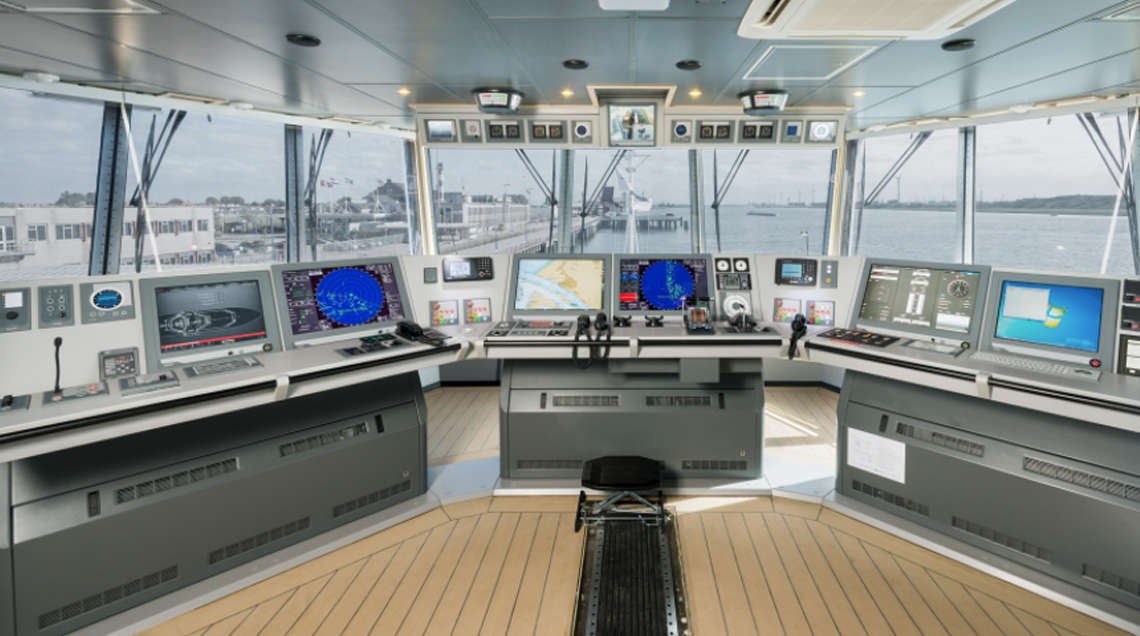
- Modern navigation technology significantly improves boating safety for all levels of mariners.
- Real-time GPS and AI-driven route optimization help avoid hazards and ensure efficient travel.
- Collision avoidance systems, such as AIS and radar, provide alerts to prevent accidents in busy or low-visibility conditions.
- Integrated weather monitoring and storm prediction allow proactive decision-making to reduce weather-related risks.
- Digital charting (ECDIS) and AI-powered hazard detection enhance situational awareness and compliance with safety standards.
- Interactive waterway apps consolidate critical information, supporting informed and responsible boating.
Introduction
The evolution of navigation technology has fundamentally changed the landscape of boating safety, putting sophisticated tools directly into the hands of mariners at every level of expertise. Today’s boaters benefit from increased awareness and informed decision-making, enabling them to navigate even the most challenging waters with confidence. For enthusiasts exploring new destinations or managing busy waterways, innovations such as advanced GPS, real-time weather forecasts, and intuitive navigational apps have become vital. The reliability of trusted boat builders like Tiara Yachts is now complemented by these groundbreaking digital aids that keep vessel occupants safe in all conditions.
Whether you’re piloting a personal watercraft or a luxurious yacht, the integration of smart technology in navigation has ushered in a new era of safety for both recreational and commercial boating. Not only do these advancements help prevent accidents, but they also empower captains and crews with the actionable information required for fuel-efficient, environmentally conscious voyages. Read on to discover the main ways modern navigation systems are raising the standard of marine safety.
Real-Time GPS Positioning and Route Optimization
Precise navigation begins with accurate location data, and contemporary GPS technology delivers unparalleled reliability. With a constantly updated feed of your exact position, vessels can avoid hazards like submerged rocks, shallow patches, or dangerous shipping lanes. Today’s systems also use AI-driven route optimization to guide boaters along the safest and most efficient courses, significantly reducing the risk of unintentional groundings and ensuring you arrive on schedule.
Automated route planning doesn’t just choose the shortest line between two points. It considers weather, tides, known hazards, and real-time traffic—adjusting dynamically based on changing conditions. These features contribute not only to safety but also to a more pleasant and worry-free experience on the water. In addition to independent units, most modern consoles now integrate GPS with other navigational aids for a comprehensive situational overview.
Enhanced Collision Avoidance with AIS and Radar
Boat collisions remain one of the greatest threats on busy waterways, making collision-avoidance systems an essential upgrade for modern vessels. The Automatic Identification System (AIS) allows boats to monitor each other’s location, course, and speed in real time. Combined with radar, which identifies objects and other vessels even in heavy fog or nighttime conditions, mariners receive a clear, up-to-the-minute picture of their surroundings.
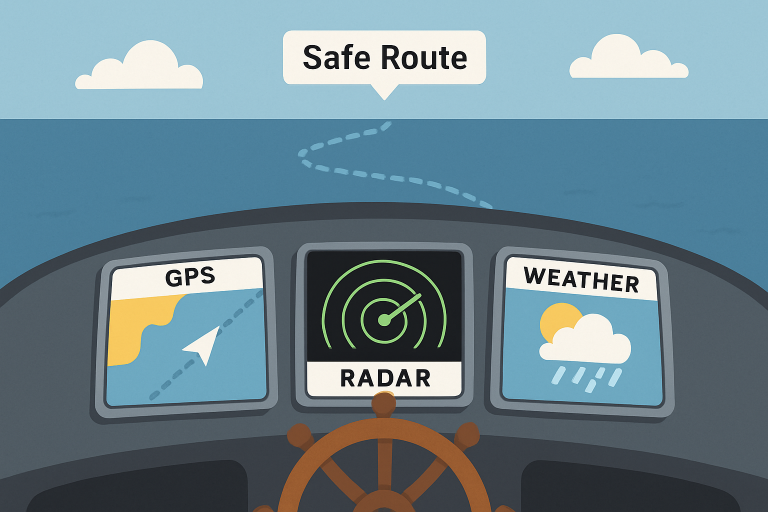
When paired with audible alarms and visual alerts, these systems actively warn captains of vessels on a collision path or hidden obstacles in their route. The combination of AIS and radar significantly enhances safety, particularly for those venturing offshore or navigating unfamiliar marinas. These technologies reflect ongoing efforts across the industry to drive down the statistics of boating accidents.
Weather Monitoring and Storm Prediction
Unpredictable weather is often cited as a leading cause of boating incidents, making modern meteorology a critical part of safe boating. Integrated weather tracking features in navigational systems now provide live updates, storm tracking, and wind forecasting. Mariners can receive automatic storm alerts and critical information about fog, high winds, or hazardous seas, allowing them to plan alternative routes or find safe harbor before the situation escalates.
Navtex receivers and satellite-connected apps provide real-time information about changing weather conditions, ensuring the well-being of every passenger, even in open waters. The ability to make informed decisions based on forecasting reduces stress and the risk of weather-related emergencies.
Digital Charting with ECDIS for Accurate Navigation
The adoption of Electronic Chart Display and Information Systems (ECDIS) has been transformational. Replacing centuries-old paper charts, ECDIS continuously tracks the vessel’s position and overlays it onto an updated electronic chart. Mariners can access port information, tidal data, and notices to mariners—all of which are automatically updated to reflect current hazards and regulations. This technology eliminates many of the manual errors associated with traditional navigation and supports compliance with international safety standards, such as those set by the International Maritime Organization.
On both recreational and commercial boats, these features have made navigation safer, more efficient, and in line with global best practices.
AI-Powered Hazard Detection Systems
Artificial intelligence is at the forefront of marine technology, providing extraordinary safety enhancements. Systems like the LOOKOUT camera leverage computer vision to detect objects—including other boats, floating debris, buoys, and even people overboard—often before they appear on radar or are visible to the human eye. Overlaying this data into a 3D, augmented reality interface, these systems help captains process vast amounts of information quickly, thereby reducing cognitive fatigue and enhancing their rapid-response capability.
AI-powered detection isn’t just for large vessels. Compact versions are increasingly available for private boaters, democratizing the benefits of advanced maritime safety and preventing common mishaps before they escalate.
Interactive Waterway Apps for Boater Safety
Marine technology isn’t limited to hardware. Interactive applications, such as DECKEE, serve as a digital co-pilot, consolidating weather, regulatory notifications, marina locations, and safety equipment checklists in a single mobile dashboard. These apps empower even novice navigators to plan trips, check live warnings, and share their plans for extra peace of mind. They foster informed decision-making and a culture of safety throughout boating communities, supporting a new generation of responsible mariners.
Final Thoughts
The leap in boating safety brought about by modern navigation technologies is both sweeping and profound. GPS, digital charting, real-time hazard warnings, and interactive mobile apps all make for safer, smarter voyages. As maritime technology continues to evolve, the combination of traditional seamanship and digital innovation ensures that every journey is as secure as possible for both seasoned professionals and weekend adventurers alike.
 Anderson